
7 Things Out-of-Staters Get Wrong About Mount Rushmore That South Dakotans Correct Every Year

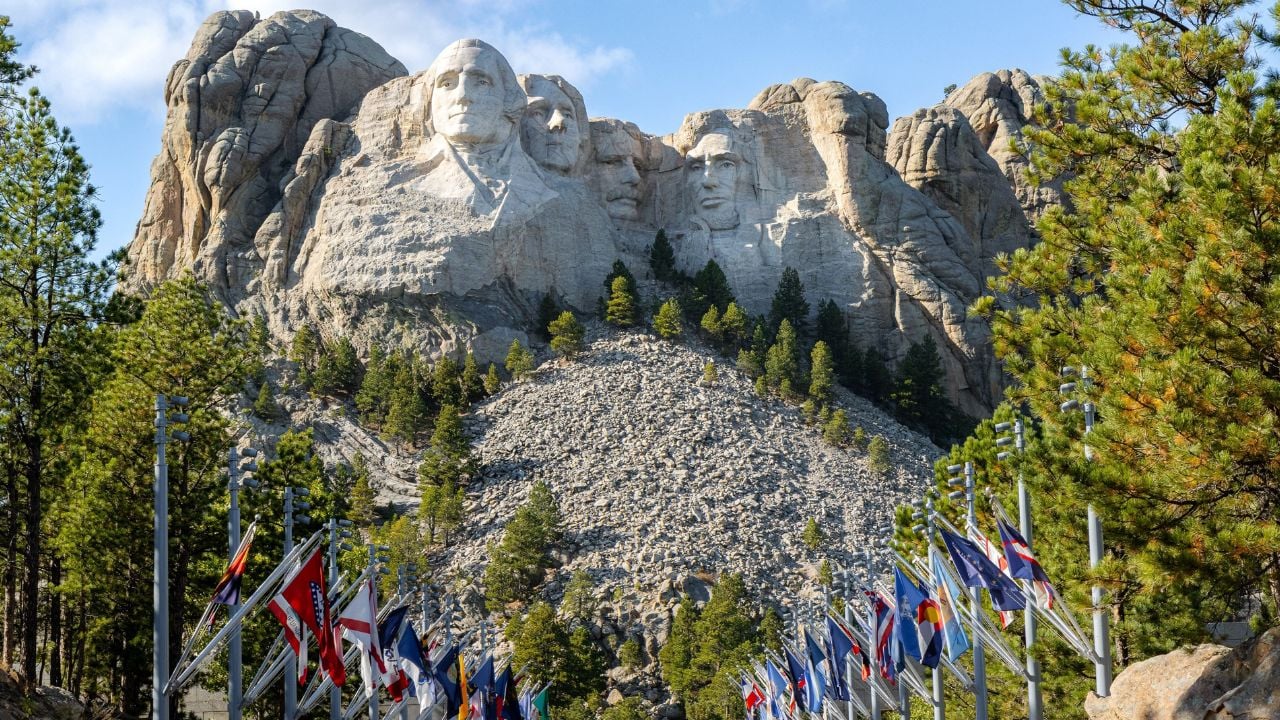
“So what’s behind Lincoln’s head?”
Stand at the viewing area long enough, and you’ll hear a visitor ask it, usually with the wrong answer in mind.
These are the things out-of-staters get wrong about Mount Rushmore that South Dakotans correct every year.
1. Jefferson’s First Spot
Mount Rushmore’s Thomas Jefferson isn’t where the sculptor first put him.
You might picture the four faces going up in one clean pass, and many visitors do.
It didn’t go that way.
Ben’s Guide, from the U.S. Government Publishing Office, says that after 18 months of carving, the first Jefferson face was blasted off the mountain.
The National Park Service says the Jefferson figure moved to the other side of Washington in 1934 because of inconsistencies in the rock.
The new Jefferson got its dedication on August 30, 1936, with President Franklin D. Roosevelt attending and giving a speech.
So the Jefferson you see today is the second try.
2. Who Picked the Faces
Sculptor Gutzon Borglum selected the four presidents for Mount Rushmore, according to the National Park Service.
Many visitors assume Congress or a state committee settled the lineup.
Borglum made the call.
He picked each man to stand for a stage in your country’s story.
Washington stood for the country’s birth, Jefferson for its growth, Theodore Roosevelt for its development, and Lincoln for its preservation.
The project began with Doane Robinson, South Dakota’s state historian, who imagined large figures of the American West carved in the Black Hills.
The new memorial commission left him off.
3. Safety Record
Nearly 400 men and women worked on Mount Rushmore after the carving began in 1927.
You can read about the known workers on the Park Service’s people page.
You might expect a project that size to have a long casualty list.
It doesn’t.
The National Park Service says that during the 14 years of construction, not one fatality occurred.
4. Dynamite on the Mountain
You might picture sculptors with hammers and chisels working on Mount Rushmore.
Dynamite did the heavy lifting.
Smithsonian Magazine reports that 90% of the mountain was carved using dynamite.
So when you look up at the four faces, you’re looking at rock that dynamite shaped.
The National Park Service estimates the rate of erosion at one inch every 10,000 years.
Psst! How much do you know about the Black Hills? Take our quiz and see if you can ace it.
Quiz
Black Hills Trivia
Answer these questions on the Black Hills and beyond. We bet you can’t get them all right. Prove us wrong?
How wide is the Needles Eye Tunnel on Custer State Park’s Needles Highway?
5. Where the Carving Stops
Borglum's plans for Mount Rushmore would have carved the presidents down to their waists, according to Smithsonian Magazine.
The same account points to a band of impenetrable mica schist lower in the mountain.
Then Borglum died in March 1941, and the National Park Service says that, along with the approach of World War II, ended the work on the mountain.
Final drilling took place on October 31, 1941, under the direction of his son, Lincoln Borglum.
If you visit today, you're seeing the memorial as the work stood when that drilling ended.
The waists never came.
6. Hall of Records
Mount Rushmore's Hall of Records began as a proposed room, 80 by 100 feet.
Borglum planned an 800-foot granite stairway to reach it, rising to the canyon mouth behind Lincoln's head.
Bronze and glass cabinets inside would have held documents such as the Constitution and the Declaration of Independence.
A bronze eagle with a 38-foot wingspread was planned for above the door.
He got as far as a 70-foot tunnel, and he reluctantly stopped work on the hall in 1939.
Many visitors imagine a secret chamber they could tour someday.
You can't.
On August 9, 1998, a repository went into the floor of the hall entry.
The repository is a teakwood box inside a titanium vault, under a granite capstone.
The repository has sixteen porcelain enamel panels, and the National Park Service says it isn't accessible to visitors.
7. Price of Admission
The National Park Service's fees page, last updated in December 2025, says Mount Rushmore National Memorial doesn't charge an entrance fee.
Many visitors expect to pay at a gate.
A parking fee applies in the concession-operated parking facility instead.
A parking ticket gives you unlimited entry to the memorial for one year from the date of purchase.
Keep your ticket.
Passes and Mount Rushmore Parking
Federal recreation passes don't cover Mount Rushmore's parking fee.
That list includes the Annual Pass, the Senior Pass, the Access Pass, both military passes, and the Every Kid Outdoors Pass.
The Information Center at Mount Rushmore sells the Access Pass, both military passes, and the Every Kid Outdoors Pass.
The Every Kid Outdoors Pass requires a paper voucher.
What It Cost
Mount Rushmore's total cost was $989,992.32, according to the National Park Service's student guide.
Legislation backed by Senator Peter Norbeck and Congressman William Williamson ultimately provided 85% of the funding.
If you do the math, that leaves 15% to come from other sources.
The Black Hills and the 1868 Treaty
When you visit Mount Rushmore, you're in the Black Hills.
The 1868 treaty with the Sioux Nation recognized the Black Hills as part of the Great Sioux Reservation.
In 1980, the U.S. Supreme Court ruled in United States v. Sioux Nation of Indians that Congress's 1877 Act took land the treaty had set aside, which required just compensation, with interest.
The remedy was money.
The National Park Service calls the Black Hills an important historical, spiritual, and cultural site to many tribal nations.
A Park Service page updated in August 2024 says it consults with 21 associated tribal nations on the memorial.
7 Signs Someone Was Raised in South Dakota, No Matter Where They Live Now
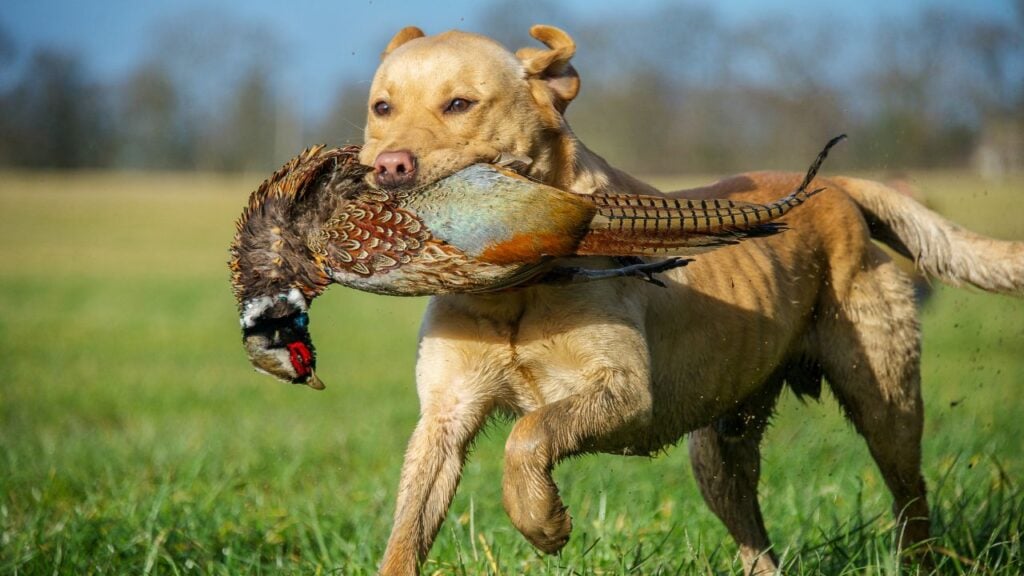
Some South Dakotans can still name the pheasant opener's date years after they've moved away.
Habits like that tend to follow people long after they leave the state.
7 Signs Someone Was Raised in South Dakota, No Matter Where They Live Now
8 Things That Confuse Everyone Who Moves to South Dakota
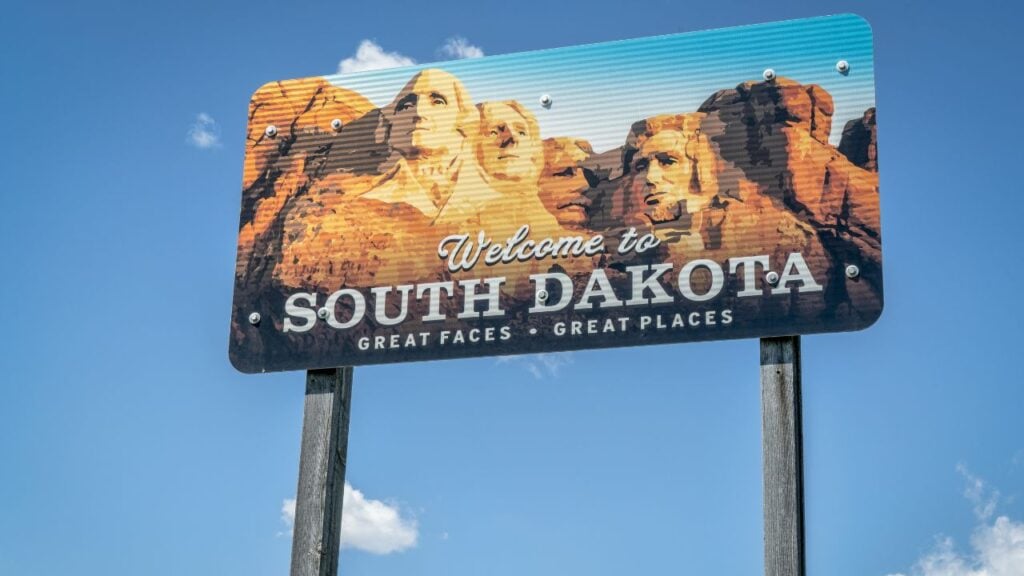
South Dakota charges its full state sales tax on a routine grocery run.
Newcomers who budget the way they did back home find that out at the register.
