
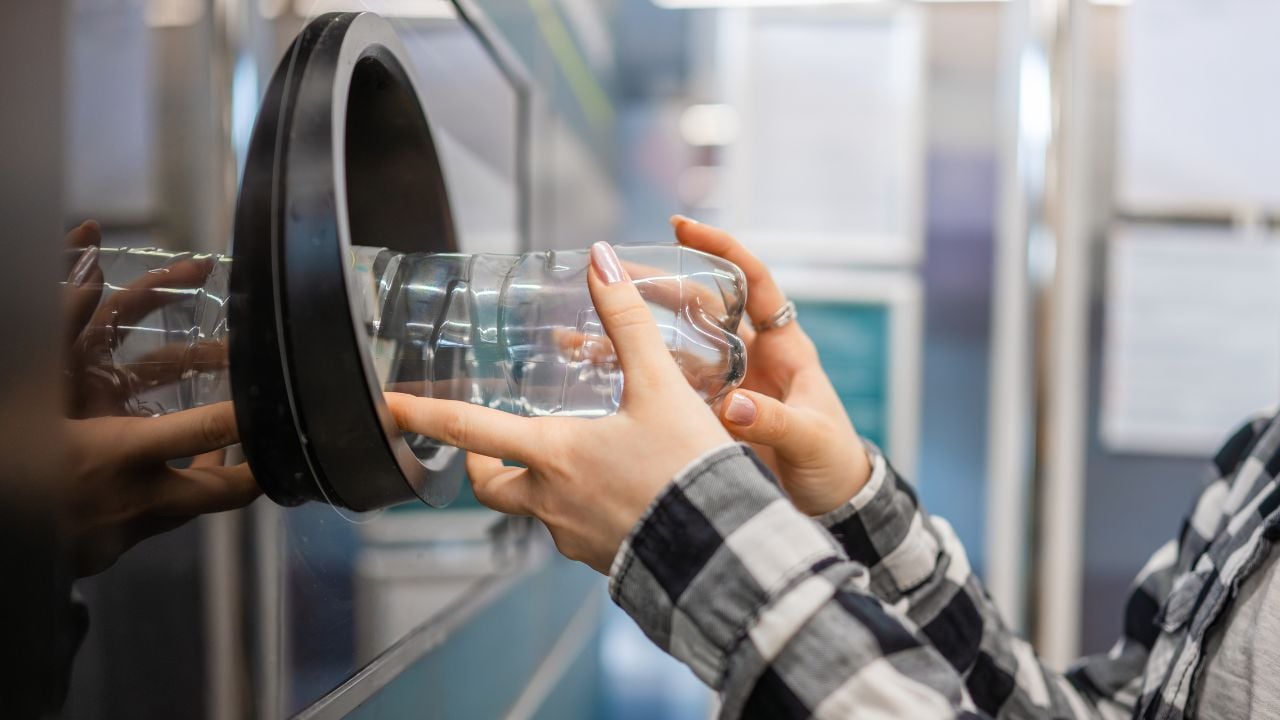
6 Bottle Deposit Rules Michiganders Don’t Know About but Should

Think about the cooler your Ohio relatives haul up for Thanksgiving, and the pile of empties it leaves behind.
Not everything in your recycling bin was worth a dime to begin with.
Here are the bottle deposit rules Michiganders don’t know about but should.
Note: This is general information, not legal advice. Deposit rules and penalties are subject to change.
1. Crushed Containers
People often flatten their cans before a return.
Many deposit containers carry a barcode that a store’s reverse vending machine reads to confirm they’re Michigan returnables.
If you crush the can, the machine may not be able to read it.
A store still has to accept a crushed container if it’s clean, sold by that store, and identifiable as a Michigan returnable.
2. Cans From Other States
The state’s bottle deposit act bars you from returning certain containers for a refund.
That includes any container you know, or “should know,” wasn’t bought in Michigan as a filled returnable container.
Ohio cans don’t qualify.
Iowa’s five-cent deposit falls short of Michigan’s 10-cent minimum, so a can from there counts as a nonreturnable container.
If you return 25 to 100 nonreturnable containers, a court can order a civil fine of up to $100.
Past 100 containers, it’s a misdemeanor punishable by up to 93 days in jail, a fine of up to $1,000, or both.
The felony tier starts at 10,000 containers and carries up to five years in prison, a fine of up to $5,000, or both.
Repeat Returns Cost More
A second violation of the civil-fine provision is punished as a misdemeanor under the same subsection that covers returns of more than 100 containers.
Returning more than 100 containers on a second occasion can mean up to one year in jail, a fine of up to $2,000, or both.
A court that convicts you of a misdemeanor or felony under the act must also order restitution equal to the loss.
3. Containers With No Deposit Paid
A second kind of return is banned, too: A container that never had a deposit paid on it.
You can’t take one back for a refund if you know, or should know, that no deposit was paid at the time of purchase.
The same penalty tiers apply.
Stores face a parallel ban when they knowingly pay refunds on those containers.
Psst! How ready is your next bottle return? Run through this checklist and see where you stand.
4. Wet or Dirty Containers
The law defines an empty container as one holding nothing except residue from its original contents.
If you hand over a bottle with soda still in it, the store has no duty to pay the deposit.
Michigan’s Department of Environment, Great Lakes, and Energy (EGLE) also says to return your containers dry, and not to use them to hold other materials.
5. Returns Past $25 a Day
A bottle deposit return has a daily limit at each store.
A store has to pay out refunds of up to $25 per person per day.
That’s dollars, not cans.
Anything past that is up to the store.
A store also can’t turn away returns that total under $25.
If it does, you can file a complaint with the Attorney General’s Consumer Protection Division after you’ve spoken to a manager.
6. Brands Your Store Doesn’t Sell
A store has to take back containers of any size or brand that it sells.
The duty covers whatever is on your store’s shelves.
A store may turn away a brand it doesn’t carry.
The store has to pay out the refund in cash, even if you weren’t the person who bought the container.
Where Unclaimed Deposits Go
Treasury’s 2025 figures show Michigan collected $389.7 million in bottle deposits and refunded $270.4 million.
That works out to 69.4% of deposits refunded.
The figures don’t adjust for containers bought in another state or country and returned in Michigan.
If you never return a can, the deposit you paid on it becomes part of the unclaimed money.
The first $1 million of unclaimed deposits goes to the Bottle Bill Enforcement Fund, which the Michigan State Police use.
After that, 75% goes to the Cleanup and Redevelopment Trust Fund, and 25% goes back to retailers.
That 25% share sent $29.6 million to retailers in 2025.
Psst! How much do you know about Michigan? Take our quiz and see if you can ace it.
Quiz
Great Lakes State IQ
Answer nine questions on Michigan history, bridges and Great Lakes shoreline. We bet you can’t get them all right. Prove us wrong?
When Michigan gave up its claim to the Toledo Strip, what did it receive as compensation?
What the Law Skips
The deposit law covers only certain drinks, so some of the containers in your recycling bin may carry no deposit at all.
It applies to soft drinks, soda water, carbonated natural or mineral water, beer and other malt drinks, and mixed wine and mixed spirit drinks.
A container also has to hold 1 gallon or less when it's sold.
Plain juice and still bottled water aren't on that list, so you won't collect a deposit on them.
8 Michigan Jury Duty Rules Residents Get Wrong
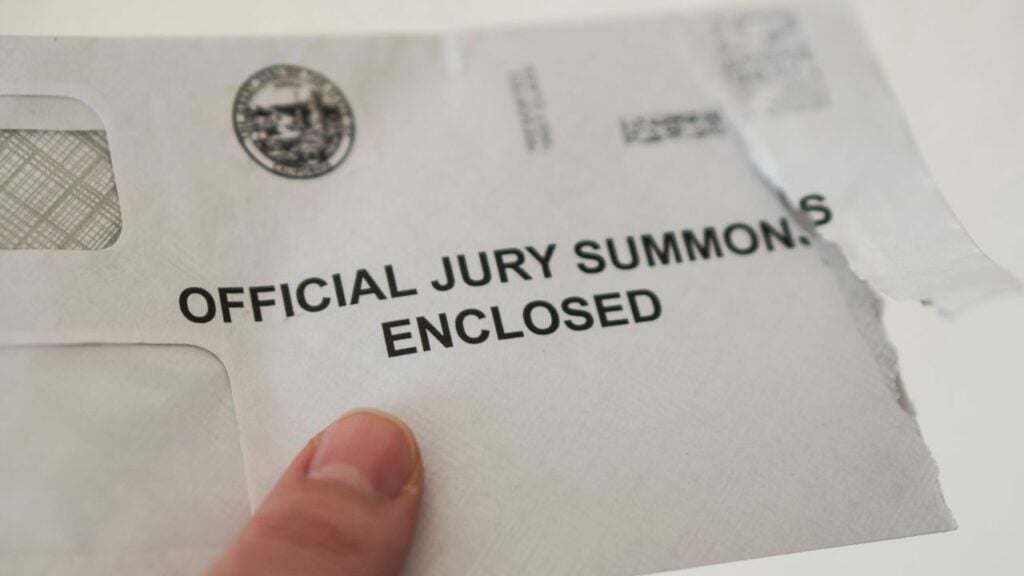
Jury duty can catch Michigan residents off guard before they ever reach the courthouse.
Several rules that sound simple turn out to work differently than people expect.
8 Michigan Jury Duty Rules Residents Get Wrong
13 Things Michiganders Say That Confuse Everyone From Out of State

A word you've used your whole life can need an explanation the moment you leave Michigan.
By the third blank stare, you start wondering what else only makes sense back home.
13 Things Michiganders Say That Confuse Everyone From Out of State
