
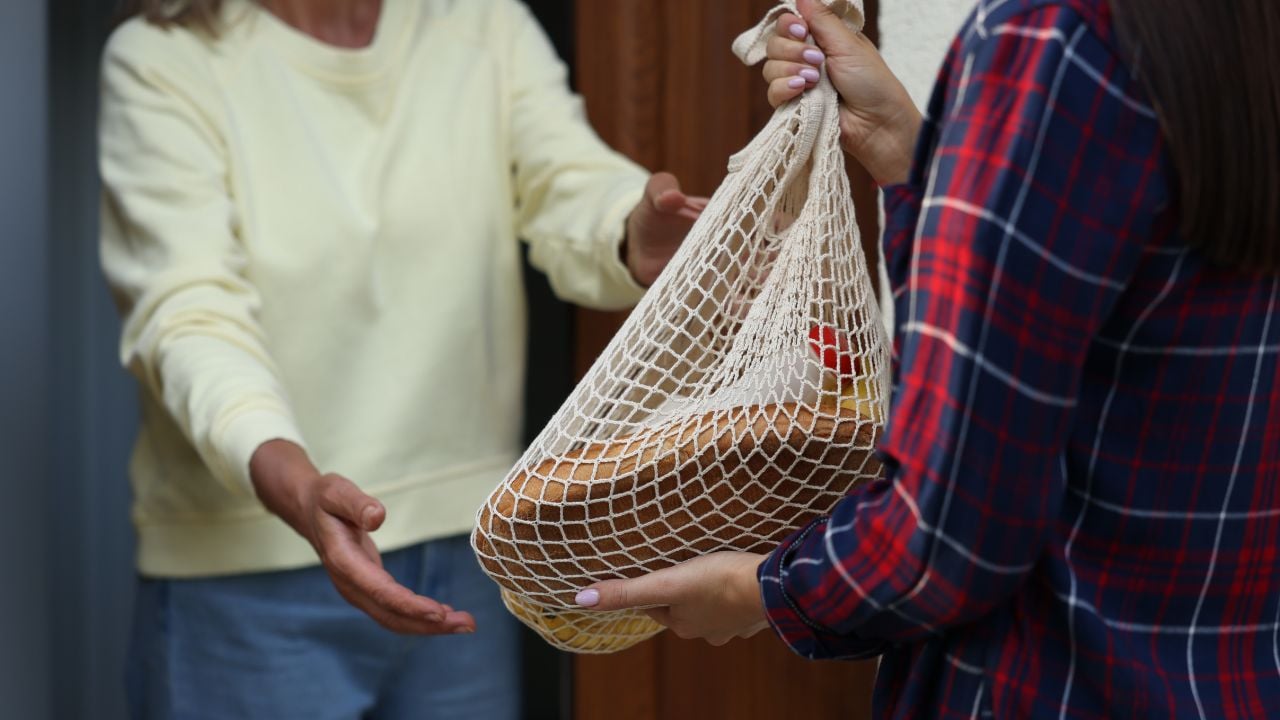
7 Unwritten Rules of Bringing Food to a Grieving Arkansas Family

When an Arkansas neighbor loses someone, a covered dish is the first thing many people think to bring.
How you bring it can matter as much as what’s inside.
These are the unwritten rules of bringing food to a grieving Arkansas family.
1. Don’t Call to Ask What to Bring
Don’t call a grieving family to ask what to bring, a 2014 Charleston Magazine guide to funeral etiquette in the Lowcountry says.
If you want to help, wait for the church committee’s call instead, since the process starts there.
A 2025 feature on cnhi.com about Southern funeral food says meals are usually coordinated through church phone trees or neighborhood group texts.
Many churches still have bereavement committees that take care of the details. The meals arrive before most formal arrangements are settled.
Before the funeral industry took over, the Encyclopedia of Arkansas says, Ozark neighbors brought food to the home and did the laundry.
When the call comes, say yes and bring what you’re asked for.
2. Name Tape on the Dish
If you want your dish back after bringing food to a grieving family, put your name on tape on the bottom, the Charleston guide says.
A 2025 cnhi.com feature describes the other route, food packed in containers that don’t need to be returned and are easy to pop in the freezer.
In a 2024 essay on funeral food, a University of West Georgia history professor describes one family that offered disposable plates, cups, napkins and utensils instead of a covered dish.
If a tray is your plan, a funeral-planning guide recommends considering two medium trays or several single-serve containers instead of one giant tray.
A label can list the dish name, the delivery date, reheating steps and any allergens.
Whichever you pick, the family shouldn’t have to guess whose food is whose.
3. Skip the Family’s Signature Dish
When you bring food to a grieving family, don’t take over a family member’s famous red rice or chicken perloo, the Charleston guide warns.
A 2025 cnhi.com feature pictures a pound cake on the counter, a baked ham from a neighbor and deviled eggs that arrive before the obituary runs.
The Lowcountry spread described in the guide ran to fried and baked chicken, ham biscuits, tomato pies and yeast rolls.
A 2024 essay on funeral food lists casseroles, lasagna or chicken pie as options for a surviving spouse.
It also mentions sandwich trays of cold cuts for a house with a revolving door of visitors, and cookies for kids.
For coworkers or acquaintances, you might bring a side dish like deviled eggs or mac-n-cheese.
Pick the dish that fits the house, and leave the family’s specialty on their stove.
4. Store-Bought Chicken, No Pretending
Store-bought fried chicken is fine for a grieving family, the Charleston guide says, as long as you don’t pass it off as yours.
Once the obituary runs in the paper, the flow of dishes to the family multiplies.
If time is short, bring what you can.
Say where it came from if anyone asks.
5. Hot Food Kept Hot
Cooked food you bring to a grieving family should be held hot at an internal temperature of 140 degrees Fahrenheit or above, the University of Arkansas Division of Agriculture says.
Just keeping food warm isn’t safe.
Cold food belongs at or below 40 degrees, whether you keep it in a refrigerator, a cooler or a container on ice.
In a house full of visitors, many dishes sit on the counter for hours.
How Long Food for a Grieving Family Can Sit Out
If you’re bringing perishable food, don’t let it sit between 40 and 140 degrees for more than two hours, the U.S. Department of Agriculture says.
That limit drops to one hour when the temperature is above 90 degrees.
The University of Arkansas Division of Agriculture lists cookies, crackers, breads and whole fruits as exceptions to the two-hour limit.
6. Doorbell Drop-Off
Delivering food to a grieving family takes only a doorbell ring, a handoff, a word of condolence and a polite exit, the Charleston guide says.
If the family seems overwhelmed by conversation, a funeral-planning guide says not to treat your delivery as a social visit unless they invite it.
That guide also describes a no-response drop-off, where you leave the food by the door with a short note saying there’s no need to answer.
Psst! How much do you know about Arkansas food? Take our quiz and see how you score.
Quiz
Arkansas Food IQ
A short break with questions on Arkansas and Southern food traditions. See how many you know.
A drive-in near which Arkansas town is credited with selling the first fried dill pickles in the summer of 1963?
7. Weeks After the Funeral
Food for a grieving family often shows up in the first few days.
Ohio's Hospice wrote in 2019 that after the funeral, the cards, casseroles and calls stop.
The organization urged friends to keep supporting the person for months.
Its examples of practical help include bringing groceries.
The organization also says to spell out what you can offer. Skip the offer to call if the family needs anything and name the night you'll bring dinner instead.
If dinner is your plan, the funeral-planning guide calls days four through ten often the best time for a full dinner drop-off.
It describes the second through fourth weeks as a stretch when grief can feel lonelier.
11 Things Arkansans Grew Up Doing That Kids Today Will Never Know
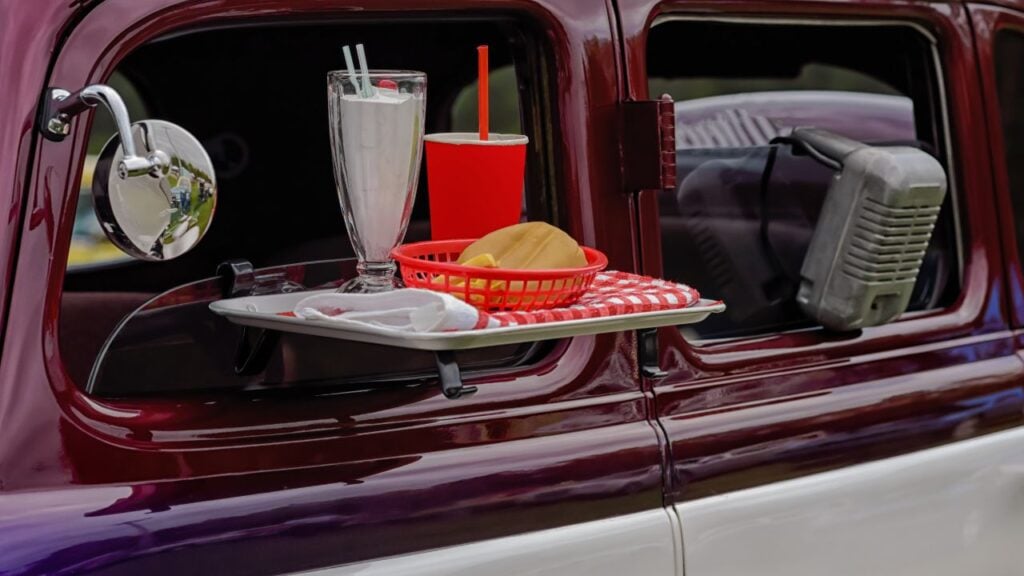
Ask an Arkansan who grew up a few decades ago about weekends, and you might hear about family day trips.
Here's a look back at what growing up in Arkansas used to mean.
11 Things Arkansans Grew Up Doing That Kids Today Will Never Know
7 Things to Know About Harps, the Employee-Owned Arkansas Grocer
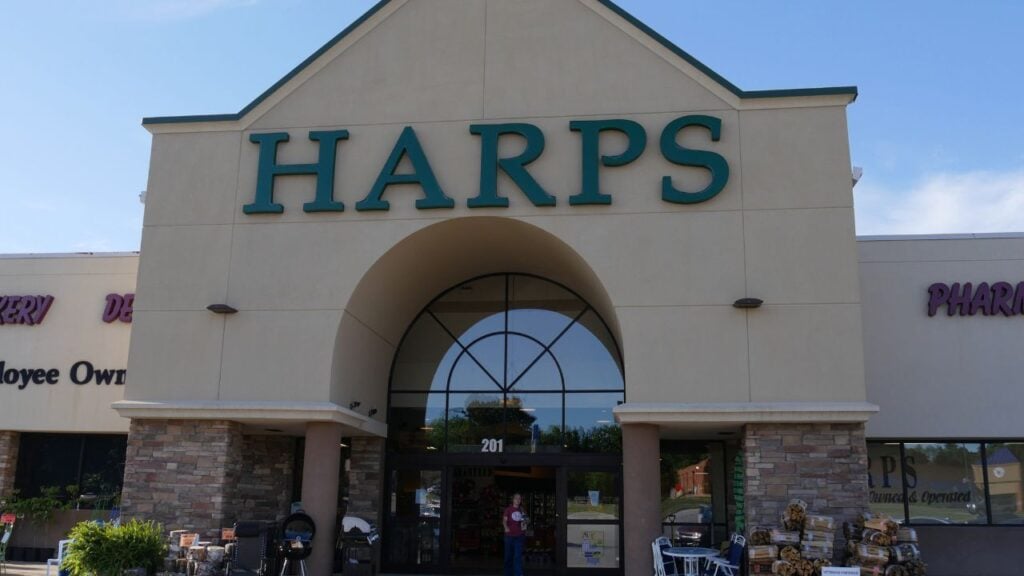
Harps is a familiar stop on grocery runs around Arkansas.
Many shoppers know the store, but fewer know who owns it or how it got so big.
7 Things to Know About Harps, the Employee-Owned Arkansas Grocer
