
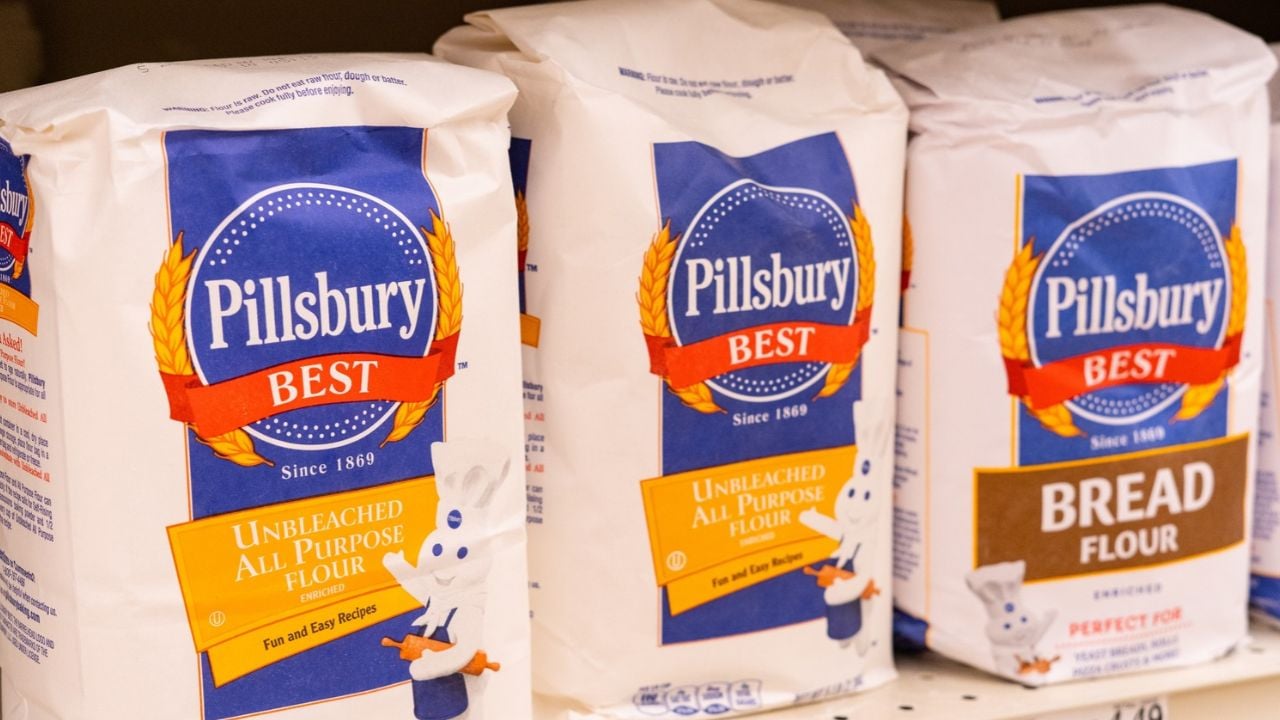
Flour Averages About 49 Cents a Pound Across the South. Floridians Who Miss Publix’s BOGO Week Can Pay Far More per Pound

Holiday baking season is here, and flour is usually one of the first things on the list.
Finding an empty shelf where the sale bag should be doesn’t have to mean paying full price, though.
Here’s what flour averages across the South, and why Floridians who miss Publix’s BOGO week can pay far more per pound.
Southern Average
In September 2026, BLS recorded 48.6 cents a pound for flour across the South. Rounded, that is the 49 cents in this article’s title, the line to hold your tag against.
The national average that month was 54.5 cents a pound. That puts the South’s flour 5.9 cents under the nation, or about 11% lower.
Flour Since 2025
Southern flour slid from 51.9 cents a pound in January 2026 to 48.6 cents in September. More than half of that slide came in a single month, February 2026, when the average dropped to 50.0 cents.
From June through August it held between 48.9 and 49.0 cents before ending at 48.6 cents in September. That is the lowest monthly figure from January 2025 through September 2026. It matches September 2023, when the average was also 48.6 cents.
In September 2025, the South’s average was 51.8 cents a pound, so the drop over the year works out to 6.2%. By the same math, the national average fell 3.2% over the same 12 months, so the South’s decline was nearly twice as large.
The high point came in June 2025, when the average reached 52.9 cents a pound, the highest monthly figure from January 2024 through September 2026. September 2026’s figure is 4.3 cents below that peak.
If your last bag cost more than 48.6 cents a pound, it priced above that September average.
Florida’s Two-Item Deal
If flour lands on one of Publix’s weekly BOGO deals, Publix’s Florida stores require you to buy both bags to get the deal. Publix describes the Florida deal as getting a second qualifying item for free, the Palm Beach Post reported in September 2026.
The Post’s example was a $3.38 six-pack of English muffins. Two packs cost $3.38 in total, and a single pack costs $3.38 too. The pair works out to $1.69 a pack, the same per-item price Georgia’s lone pack gets.
In Georgia, the same article noted, a lone pack gets half price, $1.69. In Florida, you take both or pay full price.
Cost of a Missed BOGO Week
Two 5-pound bags make 10 pounds of flour, so a BOGO-week price per pound is the tag divided by 10, against the tag divided by 5 in a regular week.
As a hypothetical, say a bag’s tag matches the Southern average at $2.43. In a BOGO week, that one tag buys 10 pounds, or 24.3 cents a pound.
That’s half the average.
If you miss the week, the same tag buys 5 pounds, which is 48.6 cents a pound, exactly the average.
So the “far more” in the title is measured against the BOGO week. At the same tag, a missed week costs twice as much per pound. A shelf tag could land higher or lower, and the doubling holds only if the BOGO-week tag equals the regular one.
Two Tags to Hold Against 48.6 Cents
Flour’s Southern average of 48.6 cents a pound gives you two tag prices to hold against a 5-pound bag.
In a regular week, one tag buys 5 pounds, so a tag of $2.43 puts you right at the average.
In a BOGO week, one tag buys two bags, so a tag of $4.86 puts you right at the average for 10 pounds.
Pay more than $2.43 in a regular week, or more than $4.86 in a BOGO week, and you’re over the average.
As another hypothetical, say a tag reads $4.86. That is 97.2 cents a pound in a regular week and 48.6 cents in a BOGO week.
Limits of the Average
The BLS series covers white, all-purpose flour of any package size, self-rising or not, organic or not, bleached or not. So the 5-pound bag on your shelf is one size inside that mix, not the average.
BLS says its average prices reflect variations in brand, quality and size among geographic areas. The series notes add that average prices are best used to measure the price level in a particular month. Consumer Price Index values are better for tracking change over time. The percent changes in this article are our own arithmetic from BLS monthly averages.
Florida is one of the 16 states, plus the District of Columbia, in BLS’s South region. The series covers only the urban areas of that region.
The catch?
The 49 cents is a regional benchmark, not a Florida shelf price.
Your tag decides.
Psst! How much do you know about Publix and the grocery aisle? Take our quiz and see if you can ace it.
Quiz
Publix Pantry IQ
Answer these questions on Publix coupons, flour and grocery savings. We bet you can’t get them all right. Prove us wrong?
Under the Publix Promise, what happens if an item scans above its shelf or advertised price?
Rain Checks and Early Ads
To catch a flour deal before the week starts, note that Publix posts each weekly ad around midnight Eastern on its first day. Club Publix, which is free, lets members peek at the ad a day early.
If a flour BOGO is on the ad but you find an empty shelf, ask the Customer Service counter for a rain check. A rain check is good for 30 days for up to eight units at the sale price.
Publix's example is four BOGO deals on 12-packs of soda, which is eight items.
By that count, four flour deals at two 5-pound bags each would be 40 pounds, though that math is ours, not Publix's.
Publix Says Its Costs Could Keep Rising. Here's What Floridians Should Know
Wondering how Publix's costs reach your cart?
Publix's latest quarterly report lists higher product costs as a risk, and here's what that does and doesn't say about prices.
Publix Says Its Costs Could Keep Rising. Here's What Floridians Should Know
5 Publix Catering Rules Floridians Learn the Week Before a Party
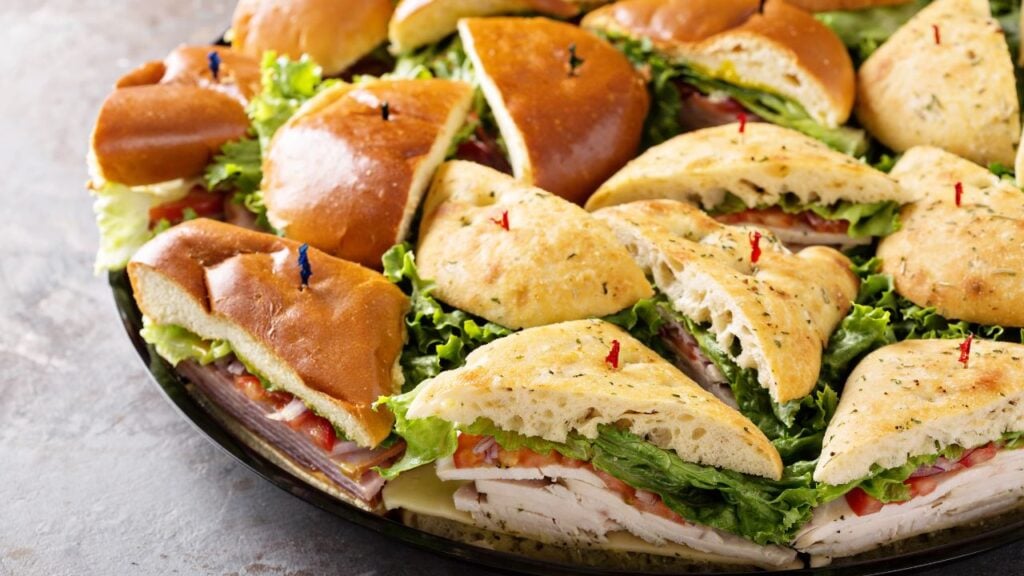
Planning a party is stressful enough without a surprise at the deli counter.
Some Publix orders, including platters and cakes, need notice, and a few rules are worth knowing the week before.
5 Publix Catering Rules Floridians Learn the Week Before a Party
