

5 Things That Happen When Granite Staters Pay Their December Property Tax Bill Late

Is your December property tax bill sitting in a pile of holiday mail?
Paying late starts a chain of steps, and each one costs more than the last.
Here’s what happens when Granite Staters pay their December property tax bill late.
Note: This is general information, not legal or tax advice. Property tax rules and dollar amounts are subject to change, so confirm the current details with the New Hampshire Department of Revenue Administration.
1. Interest at 8% a Year
Your town charges interest at 8% a year on a property tax bill paid after the due date.
Hudson’s tax page says its final bill is typically mailed in October and due around December 1.
If your town mails the bill on or after Nov. 2, interest doesn’t start until 30 days after the mailing.
Your collector can waive up to $25 of interest, but the selectmen and assessors both have to approve it.
Exeter’s tax office charges a higher 18% a year on current use, yield and excavation taxes, and it figures interest daily.
The Math on a Late $2,500 Property Tax Bill
A late $2,500 property tax bill at 8% a year collects about $200 in interest over 12 months.
That’s roughly 55 cents a day, so 30 days late adds about $16 before any fees.
The $25 waiver cap would cover about 45 days of interest on that bill, if your town approves a waiver.
2. Certified Mail Notices
Towns that use liens must send you a certified letter about unpaid property taxes before placing one.
Exeter’s tax office mails a delinquency notice within 90 days of the due date, listing each unpaid tax by year and the coming lien date.
A formal notice of intent to lien follows by certified or registered mail at least 30 days before the town places the lien.
The notice lists your tax, interest and costs, plus the last day the town will accept your payment.
If you never pick up the letter, the collector can still use the returned, unclaimed notice as evidence the town followed the law.
Hudson charged $24 for that notice on unpaid 2025 balances in 2026.
3. Lien on Your Property
After the notice period, your town can place a lien on your land and buildings for the unpaid property taxes.
Each town votes on whether to adopt the lien process, and Exeter and Hudson both have.
Towns that vote no keep the older tax sale process instead.
Hudson scheduled liens on unpaid 2025 balances for May 20, 2026, months after the December due date.
The town totals your tax, interest, fees and costs into one lien amount.
Within 30 days of placing the lien, the collector files a sworn statement with the county register of deeds, who records it.
Within 60 days of placing the lien, the town also has to identify and notify everyone with a recorded mortgage on the property, which includes your mortgage lender.
Exeter sends certified notices to other creditors too, such as the Internal Revenue Service and homeowners associations, and it adds the search and mailing fees to your redemption amount.
Psst! How much do you know about your town’s tax rules? Take our quiz and see how many you can get right.
Quiz
Town Hall Tax IQ
Answer these questions on New Hampshire property taxes and town finances. We bet you can’t get them all right. Prove us wrong?
If land in current use is switched to another use, the land use change tax is what percent of the land’s full and true value?
4. 14% Interest on the Lien
Once your town places a lien, interest on the unpaid property taxes rises from 8% to 14% a year.
The 14% applies to the whole lien amount, with your earlier interest and costs already folded in.
That rate runs from the day the town places the lien until you pay it in full.
On the original $2,500 bill alone, 14% comes to about $350 a year, or roughly 96 cents a day.
5. Tax Deed After Two Years
If your property tax lien is still unpaid two years after the town places it, the collector can deed the property to the lienholder.
The lienholder can be your town, the county or the state.
Your town can refuse the deed over liability risks or the public interest, and the lien then stays in effect with interest still accruing.
Before any deed, the collector has to notify you by certified mail at least 30 days ahead.
That notice costs $10 plus printing, which you pay when you redeem.
Settling a Lien
You can pay off a property tax lien at any time before the collector gives the deed, and so can anyone else with a legal interest in the property.
The payoff is the lien amount, 14% interest and the redemption costs.
The collector also takes partial payments toward a lien, and interest is then figured on the unpaid balance.
Exeter applies each payment to interest and costs first, then to principal.
If the town takes the deed before you finish paying, the collector has to direct the selectmen to refund what you paid.
Once the lien is paid in full, Exeter has 30 days to notify the register of deeds.
Repurchase Window After a Tax Deed
A former owner can repurchase property the town took by tax deed for up to three years after the deed is recorded.
The price is the back taxes, interest, costs and penalties.
If the property was your principal residence, the additional penalty doesn't apply.
Before the town offers the property for sale, it has to mail you certified notice at least 90 days ahead.
That notice lists the terms of the offering and your right to repurchase.
Once you receive that notice, your window to file shrinks from three years to 30 days.
You file your intent to repurchase by certified mail with return receipt requested.
12 Things Granite Staters Do That Confuse the Rest of New England

Cross into New Hampshire from a neighboring state, and a few things start to feel different.
Many of these habits can puzzle people from neighboring states.
12 Things Granite Staters Do That Confuse the Rest of New England
7 Property Tax Appeal Steps New Hampshirites Skip and Regret
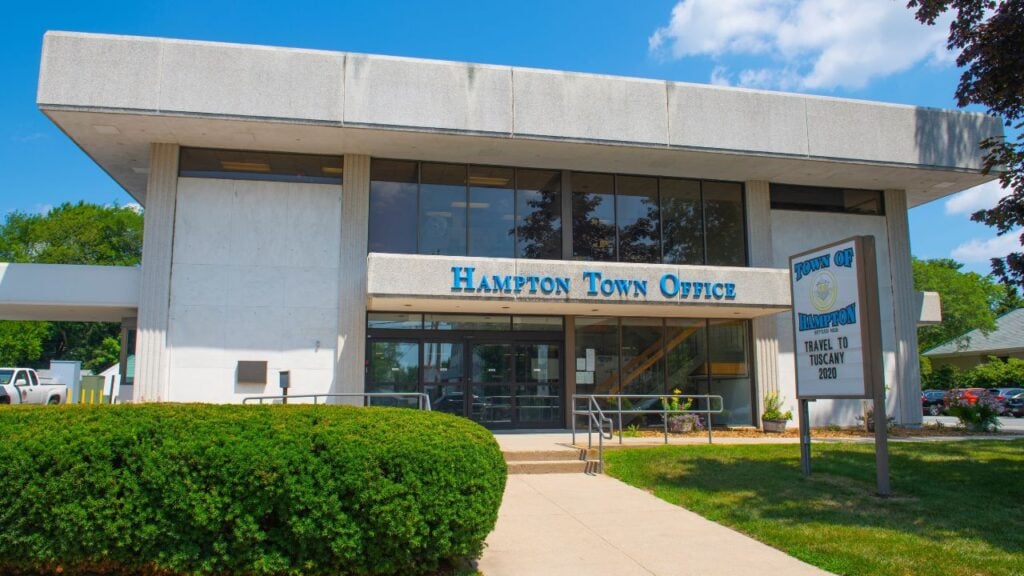
New Hampshire has no income tax standing between you and your property tax bill.
If that bill looks wrong, the appeal has steps that are easy to skip.
7 Property Tax Appeal Steps New Hampshirites Skip and Regret
