
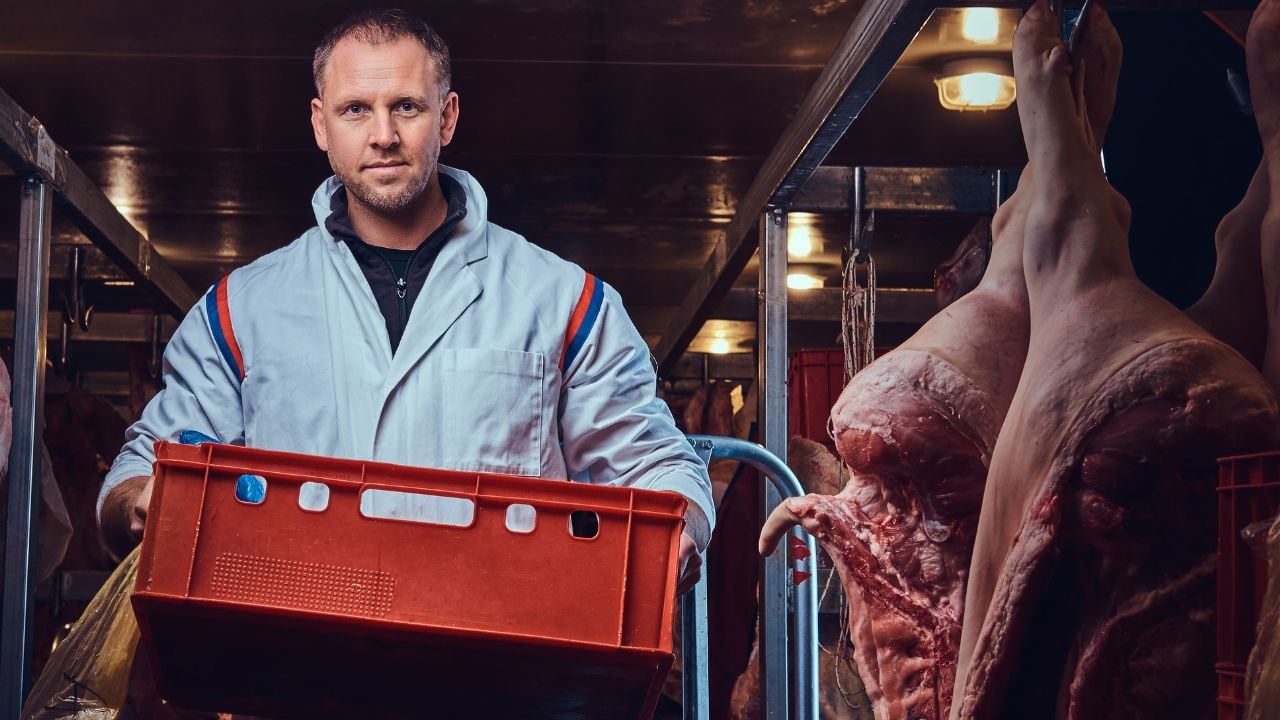
7 Things Wisconsin Deer Processors Wish Hunters Knew Before They Pull In

You tag a deer on a bow-season evening and pull into the deer processor’s lot after closing.
Some shops charge a fee for that.
Here’s what many Wisconsin deer processors wish hunters knew before they drop off a deer.
Note: This is general information, not legal advice. Hunting rules and processor policies are subject to change, so confirm hunting rules with the Wisconsin DNR and processor policies with your processor.
1. GameReg Confirmation Number
Your GameReg confirmation number may come up at a deer processor, since the state Department of Natural Resources (DNR) says a meat processor or taxidermist may require it if you bring in game.
You can register online, by phone or at an in-person station.
The deadline is 5 p.m. the day after you recover the deer.
If you lose the number, your Go Wild account’s Harvest History lists it.
2. Field-Dressed Deer
Your deer should arrive field dressed at many deer processors, and some say so in writing.
Pingel Processing in Shawano requires you to field dress animals properly and remove all organs.
Pingel adds that a deer you haven’t field dressed properly could be subject to a cleaning charge.
Wisconsin River Meats in Mauston asks you to bring your tagged, field-dressed deer during business hours.
Its price list includes a line for a headless deer with the hide still on.
If you gut shot your deer, the University of Wisconsin–Madison Division of Extension says to remove the viscera as soon as possible.
Cut slowly because the intestines, stomach and bladder commonly carry bacteria.
3. Cooling Within Hours
A deer processor such as Pingel Processing reserves the right to refuse any game that doesn’t smell fresh or isn’t cleaned properly.
Extension says your deer’s cooling should begin within a couple of hours of harvest.
You can prop the cavity open, keep the deer in shade and let air move around it.
The three rules are to keep it clean, keep it dry and keep it cold.
Leaving the hide on can keep the meat surface cleaner and keep it from drying out.
If a meat plant will process your deer, get it there as soon as possible.
Cold, Not Frozen, Before Drop-Off
Before you drop a deer off at a processor, keep the carcass cold but not frozen, since Extension warns against letting it freeze within the first six hours after harvest.
If you let it freeze in that window, the meat can turn tough.
Aging means holding the carcass at 35 to 45 degrees, and tenderizing won’t occur if the carcass is frozen.
In warm weather, Extension advises against aging venison at all.
4. Calling Ahead
Many deer processors wish hunters would call before they drive over.
Drop-off rules differ from shop to shop, and two shops show you how.
Pingel Processing says it accepts whole deer by appointment.
Wisconsin River Meats says you don’t need an appointment during hunting season.
Pingel’s page also lists a fee if you drop a deer off outside normal business hours during bow season.
5. CWD Sampling
Ask your deer processor whether it takes part in chronic wasting disease (CWD) sampling.
Cooperating processors can collect the deer head or remove the lymph nodes when you drop off, the DNR says.
If yours doesn’t, a self-service kiosk takes the head with about 5 inches of neck attached, any hour of the day.
DNR testing is free for deer harvested in Wisconsin, and hunters can choose how to submit a sample.
If you want a European mount and your processor doesn’t remove lymph nodes, a staffed station can remove them so you keep the skull.
The DNR recommends calling ahead to confirm staffing.
Your processor’s location matters too, since the department recommends against hauling a whole carcass outside the county where you harvested it or an adjacent county.
Psst! How much do you know about deer season? Take our quiz and see how many you can get right.
Quiz
Deer Season IQ
Answer these questions on Wisconsin deer season, DNR rules and venison handling. We bet you can’t get them all right. Prove us wrong?
A deer carcass from a state with chronic wasting disease can enter Wisconsin only if it reaches a licensed meat processor or permitted taxidermist within how many hours?
6. Clean Trim and Bags
Before you bring trim for burger or sausage, know that some deer processors post rules for how it arrives.
Pingel Processing says the cut-up game you bring must travel in clean, food-safe bags or containers.
The shop also sets a 10-pound minimum for batches of scraps or trim.
Extension also advises you not to store sausage trimmings in black garbage bags that may not be food-safe.
Wisconsin River Meats' price list shows $1.50 per pound under special handling for boning or cleaning dirty trim.
7. Deer Donation Drop-Offs
At deer processors on the DNR's Deer Donation Program list, you can donate the entire deer free of charge, but it has to arrive ready.
The program accepts only deer you legally harvested in Wisconsin.
The donation page says to field dress and register your deer before you drop it off.
Write down your registration confirmation number as well, and complete any required CWD testing before or when you drop the deer off.
The DNR sorts counties into three groups, from no testing required to testing adult deer to testing all deer.
Which group your county falls in decides whether your deer needs testing.
In warm weather, bags of ice in the body cavity help preserve the carcass.
Contact a participating processor before you drop off your deer to confirm it has space.
Once you arrive, you fill out the Deer Donation Log sheet at the site.
The list's participation column shows the times of year each processor accepts deer donations.
4 Things Wisconsin Cranberry Growers Do After the Bogs Are Flooded
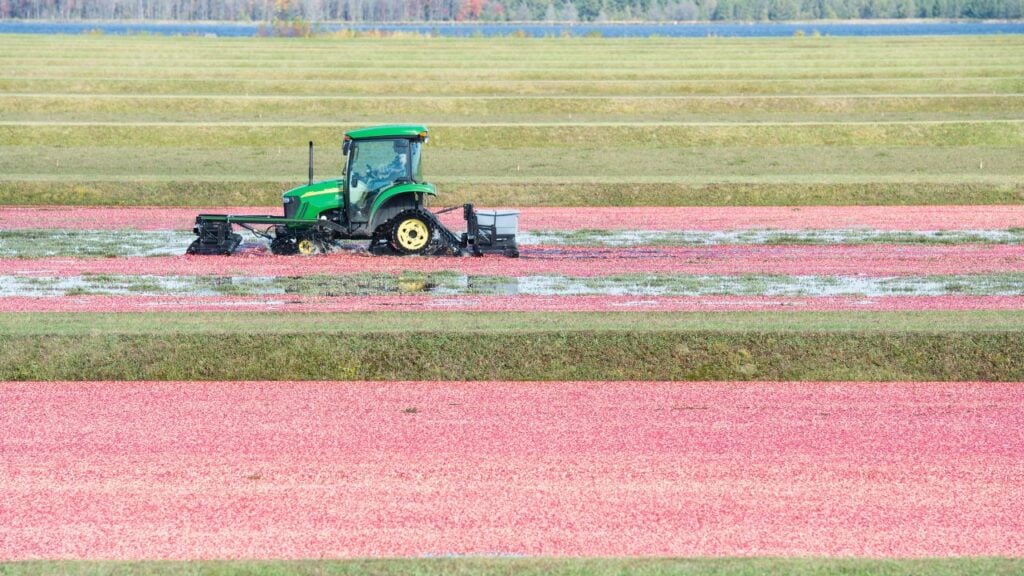
A flooded bog full of red berries is one of fall's best sights in central Wisconsin.
For growers, that pretty picture is where some of the hardest work begins.
4 Things Wisconsin Cranberry Growers Do After the Bogs Are Flooded
Milwaukee's 2025 Flood May Be Only the Start for Wisconsinites, a Policy Forum Report Warns
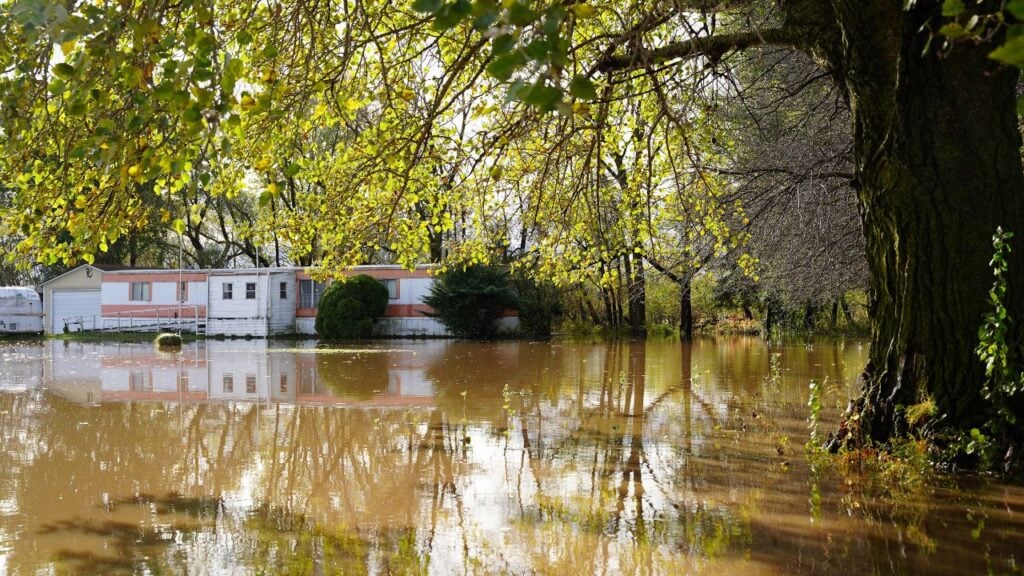
A big storm can feel like someone else's problem until the water's in your basement.
A research group looked back at Milwaukee's damaging flood and asked how ready Wisconsin communities are for more like it.
Milwaukee's 2025 Flood May Be Only the Start for Wisconsinites, a Policy Forum Report Warns
