
5 Wild Animals Ohioans Can Be Fined for Feeding

Tossing a heel of bread to a hungry-looking animal feels anything but harmful.
In many cases, the law disagrees.
These are the wild animals Ohioans can be fined for feeding.
Note: This is general information, not legal advice. City ordinances and park rules are subject to change.
1. Deer
Feeding deer has been against Columbus law since June 10, 2026.
City Council passed the ban unanimously on May 11, and it covers anyone who purposely feeds deer on public or private property.
In a city survey, about two-thirds of the responses came from Clintonville, where residents reported property damage and car crashes involving deer, WOSU Public Media reports.
The same report says the ordinance doesn’t criminalize accidentally feeding deer.
You can also keep a bird or squirrel feeder, since the city’s handout says the ordinance doesn’t prohibit them.
Police are expected to give warnings before issuing misdemeanor citations and fines, according to that report.
If police cite you, it’s a minor misdemeanor with a $150 fine.
Worthington passed a similar deer-feeding ban in 2022, and a first offense there’s a minor misdemeanor while repeat offenses become fourth-degree misdemeanors.
2. Coyotes
Chillicothe lists coyotes among the wild animals you can’t feed on public land, alongside pigeons, deer and raccoons, according to its city code.
The city added the ban in 2024, and it covers intentionally feeding wild animals on public land in Chillicothe.
Scattering corn, bread or popcorn where wildlife can reach it counts as feeding.
The code also names geese separately, defining them as all species of geese that aren’t domesticated.
A first offense is a minor misdemeanor with a $100 fine, and a second offense is a fourth-degree misdemeanor with a $250 fine.
By the third offense, the fine is $500, and you can be barred from all city parks.
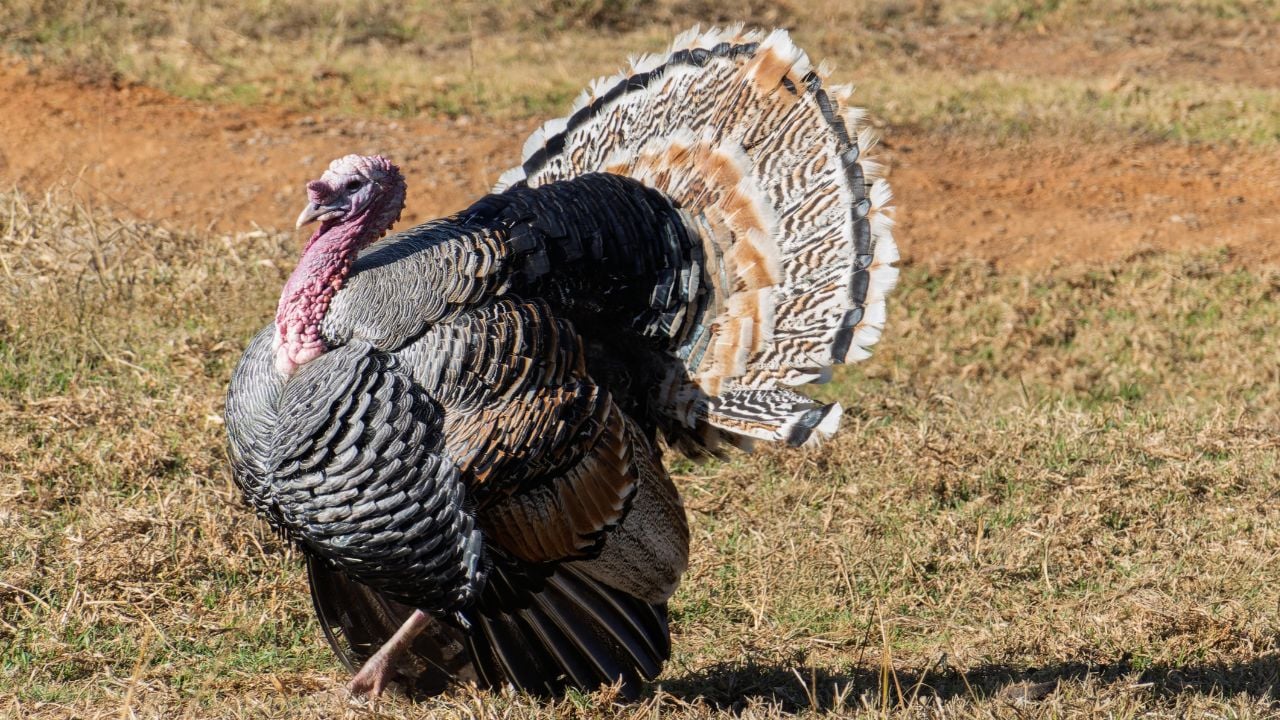
3. Turkeys
Bowling Green made it a minor misdemeanor to feed turkeys in June 2024.
The city code bars you from knowingly feeding deer or turkeys on any public or private property inside the city.
The Sentinel-Tribune reported that council took up the ban amid a much-publicized issue with wild turkeys.
The draft council introduced in May 2024 also covered squirrels, raccoons, skunks, foxes, black bears and coyotes.
The version in the city code names only deer and turkeys.
A violation is a minor misdemeanor, which carries a fine of up to $150 under state sentencing law.
The code adds that each day a violation continues counts as a separate offense.
12 Dead Giveaways You’ve Lived in Ohio Too Long

Clearing your Saturday for the Ohio State-Michigan game is one of the giveaways.
The list also covers carrying a buckeye, visiting the butter cow and picking a favorite Cedar Point coaster.
12 Dead Giveaways You’ve Lived in Ohio Too Long
4. Canada Geese
Canada geese are off the menu in Mentor, which banned feeding them in October 2023.
Mentor’s council declared the Canada goose a nuisance health risk animal, and the ordinance bars you from knowingly feeding or harboring them.
A violation is a fourth-degree misdemeanor, which carries a fine of up to $250 under state sentencing law and up to 30 days in jail.
Mentor’s announcement says Ordinance 23-0-077 took effect immediately.
Mentor’s page on geese says droppings can carry E. coli and Salmonella into ponds and puddles.
How Big Ohio’s Feeding Fines Can Get
Several feeding bans set the penalty by the degree of the misdemeanor, and state sentencing law caps the fine for each degree.
A third-degree misdemeanor tops out at $500, and a first-degree misdemeanor at $1,000.
Lyndhurst‘s feeding ban starts at a fourth-degree misdemeanor, and every later offense is a first-degree misdemeanor.
5. Ducks
At Ohio’s state parks, feeding ducks is against the rules, and you can be fined for it.
The state parks rule bars you from intentionally feeding wild or domestic waterfowl, any wild animal or other wild bird.
That covers more than ducks. Deer, coyotes and turkeys are wild animals, so feeding them in a state park can be fined too.
You’re clear only where a sign allows feeding, a park-run nature program includes it, or the area manager approves it in writing.
Unlike the city bans above, this one is a state rule, so it applies at the parks Ohio’s Division of Parks and Watercraft runs.
State law sets the fine for breaking it at $10 to $100.
Psst! How much do you know about Ohio’s wildlife? Take our quiz and see how many you can get right.
Quiz
Buckeye Wildlife IQ
Answer these questions on Ohio’s eagles, bears, geese and more. We bet you can’t get them all right. Prove us wrong?
In 1979, how many pairs of bald eagles were nesting in Ohio?
Bird Feeder Exemption
Some feeding bans carve out bird feeders, so the fines above don't reach everything in your yard.
Medina, Oxford, Twinsburg and Lyndhurst each exempt songbirds fed from a bird feeder.
Twinsburg's penalties rise with each offense, from a minor misdemeanor to a second-degree misdemeanor by the fourth.
Oxford adds a catch: The feeder can't create a nuisance.
Medina's ban applies when feeding damages someone's property or creates a nuisance.
Medina's code also exempts fishing and any public area where the city has marked feeding as allowed.
Reasons Behind the Bans
Mentor says feeding can make geese used to people and encourage them to overstay their migration.
The U.S. Department of Agriculture's Wildlife Services says animals accustomed to people often lose their fear of people and can become aggressive.
The agency also warns that too many animals in one place increases the chance of disease transmission to people and among other wildlife.
Large concentrations of ducks and geese can pollute nearby waterways, backyards and athletic fields, the agency adds.
6 Things Hoosiers and Ohioans Will Argue About Forever
Both states claim Neil Armstrong, who grew up in Wapakoneta, Ohio, and got his diploma in Indiana.
The list also takes on football bragging rights, basketball banners and the Wright Brothers.
