
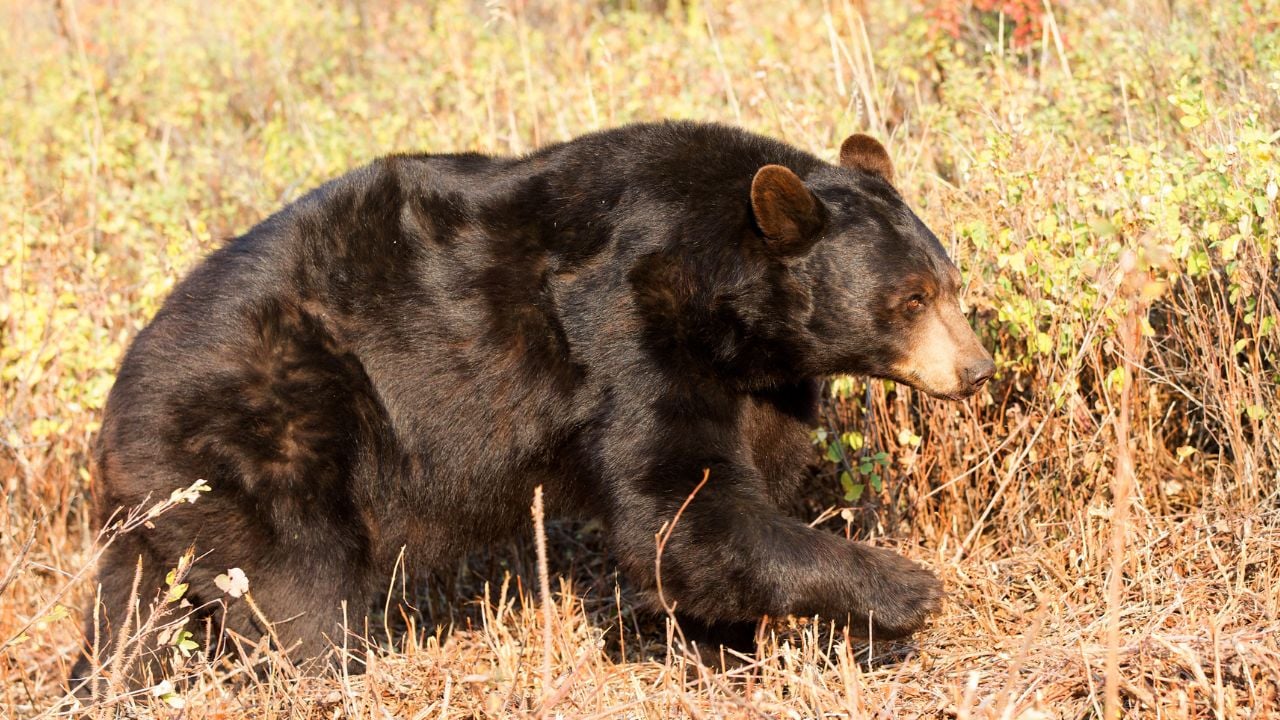
8 Precautions Tennesseans Should Take in the Great Smoky Mountains

Most trips to the Smokies end with nothing worse than sore legs.
The visits that go wrong often start with a small thing somebody skipped before leaving home.
These are the precautions Tennesseans should take in the Great Smoky Mountains.
Note: This is general information, not medical or legal advice. Park rules, fees and conditions are subject to change, so confirm the current details with Great Smoky Mountains National Park.
1. Parking Tags and the 15-Minute Rule
Before you drive into the Smokies, get a parking tag since the park requires one for any vehicle that sits longer than 15 minutes.
Entrance to Great Smoky Mountains National Park is free, but a quick overlook photo that turns into a snack break still needs a tag.
Daily tags cost $5, weekly tags cost $15, and annual tags cost $40.
Most trailheads don’t have tag machines, so you’ll want yours in hand before you pull in.
You can buy a daily or weekly tag online and print it before your trip.
Digital copies don’t count.
Each tag is valid for a single vehicle and must list its license plate number, so buy yours for the car you’ll drive.
Where Your Parking Tag Goes
A daily or weekly Smokies parking tag goes face-up on the front dashboard, lower passenger side.
An annual tag goes in the front windshield, lower passenger side.
You can buy any tag online, and daily and weekly tags are also sold in the park.
2. Bears and the 50-Yard Rule
Roughly 1,900 black bears live in the Smokies, about two for every square mile.
Willfully approaching within 50 yards of a bear is illegal, and so is any distance that disturbs or displaces it.
That’s half a football field, so use your phone’s zoom for the photo.
If a bear follows you, change direction, and if it keeps following, stand your ground.
Never run or turn your back on the bear.
If you’re with others, stay together and make yourselves look larger.
Bears can open car doors.
Lock your vehicle so they can’t reach any food or trash inside.
Rangers enforce the rules against feeding wildlife and improper food storage, and violations can bring fines up to $5,000 and jail time up to six months.
3. Dogs on Two Trails
Plan your dog’s Smokies day around the two trails that permit leashed pets, the Gatlinburg Trail and the Oconaluftee River Trail.
The Gatlinburg Trail connects Sugarlands Visitor Center with River Road in Gatlinburg, about 4 miles round trip.
On the North Carolina side, the Oconaluftee River Trail starts at the Oconaluftee Visitor Center and ends at the edge of Cherokee.
Keep your dog on a leash no longer than 6 feet at all times, and never leave it alone in a vehicle.
Dogs are involved in most incidents between people and black bears.
Keep yours close.
The Gatlinburg Trail allows bikes, so shorten the leash when a bike comes up behind you.
4. Waterfall Rocks and Rain-Swollen Streams
The rocks around waterfalls in the Smokies are slippery from mist and algae, and the park says several people have fallen to their deaths.
So you take your photo from the trail, not from the rocks.
Never try to climb to the top of a waterfall, either.
Sudden flooding can hit lower elevations, so you shouldn’t wade into or try to cross a rain-swollen stream.
When you do cross a stream, wear shoes for protection and carry a sturdy stick for balance.
Exposure to cold water can lead to hypothermia in minutes.
Skip the quick dip.
Don’t dive or jump into the water, and watch children closely at all times.
Psst! How much do you know about staying safe in the Smokies? Take our quiz and see if you can ace it.
Quiz
Smokies Safety Quiz
Answer these questions on staying safe in the Smokies. We bet you can’t get them all right. Prove us wrong?
Visitors can spot elk on the North Carolina side of the park. How close may you willfully approach an elk?
5. Traction for Icy Trails
Many high-elevation trails in the Smokies may be icy in winter, so pack crampons or other traction devices.
Skip the sneakers.
Your clothes matter too, so dress in layers, choose moisture-wicking clothing, and avoid cotton, which retains water.
The National Park Service's general winter hiking tips warn that snow can be deep once you're off the trail, so stay on it.
6. Offline Maps and Fuel
Download offline maps at home on your Wi-Fi, since cell coverage is extremely limited once you're inside the Smokies.
The park says it has no gas stations, hotels or restaurants.
Fill up first.
Newfound Gap Road is open year-round, weather permitting, but secondary roads are subject to seasonal closures, so check the schedule before you plan a drive.
7. Pullouts and Wildlife on the Road
Motor vehicle accidents and drownings are the leading causes of death in the Smokies, the park says.
So the drive to the trailhead deserves as much care as the hike.
Many park roads are winding and narrow, with blind curves, steep drop-offs and vehicles that frequently cross over center lines.
Always drive cautiously and defensively, since several alcohol-related fatalities occur in the park every year.
Never drive impaired.
If you're the slow car with a line behind you, pull into a pullout and let the others pass.
Pullouts come every mile or so on most park roads.
Watch for animals crossing park roads, especially at night.
Posted speed limits reduce your chances of hitting wildlife, so stick to them.
8. Ten Essentials
Your pack needs the ten essentials on any outing in the Smokies.
Navigation means a map, compass and GPS device, which matters when your phone has no signal.
Insulation means a jacket, hat, gloves, layers and rain gear, so you're ready for sudden weather changes.
Illumination means a flashlight or headlamp.
Your phone doesn't count.
The rest of the list covers sun protection, first-aid supplies, fire, a repair kit, food and emergency shelter.
Hydration works out to at least 1 liter of water for every 2 hours of hiking.
So if you're planning a four-hour hike, pack at least 2 liters.
9 Tennessee Landlord-Tenant Rules That Surprise New Renters

A lease can look the same in every county.
The protections behind it can still differ from one rental to the next.
9 Tennessee Landlord-Tenant Rules That Surprise New Renters
8 Tennessee Hunting Rules That Cost First-Timers Their License
A first-time hunter can haul a buck out of the woods feeling proud.
A rookie mistake afterward can cost more than a missed shot.
8 Tennessee Hunting Rules That Cost First-Timers Their License
