10 Gulf Coast Cities Where Sea Levels Are Rising Fastest, Including Five in Florida

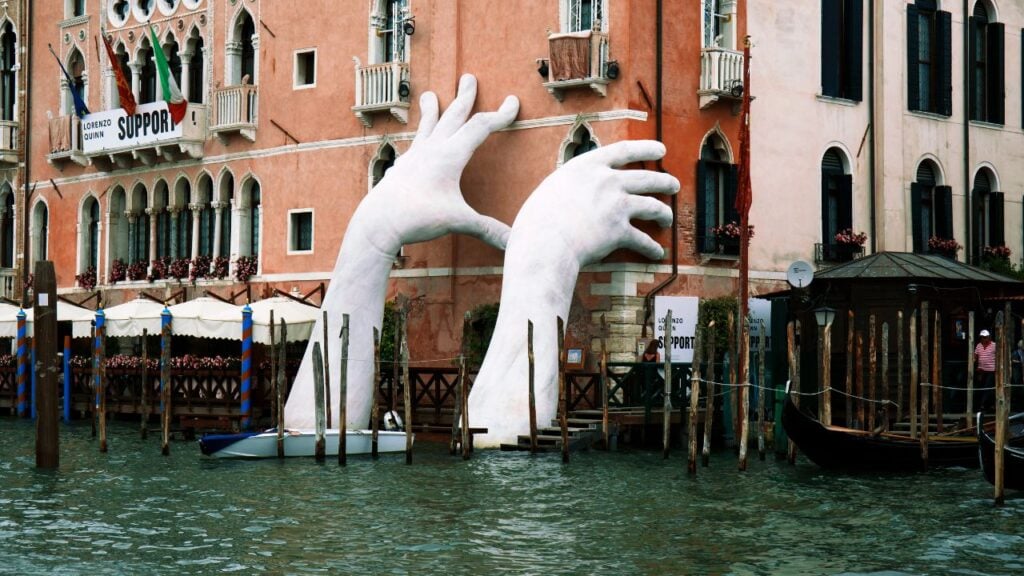
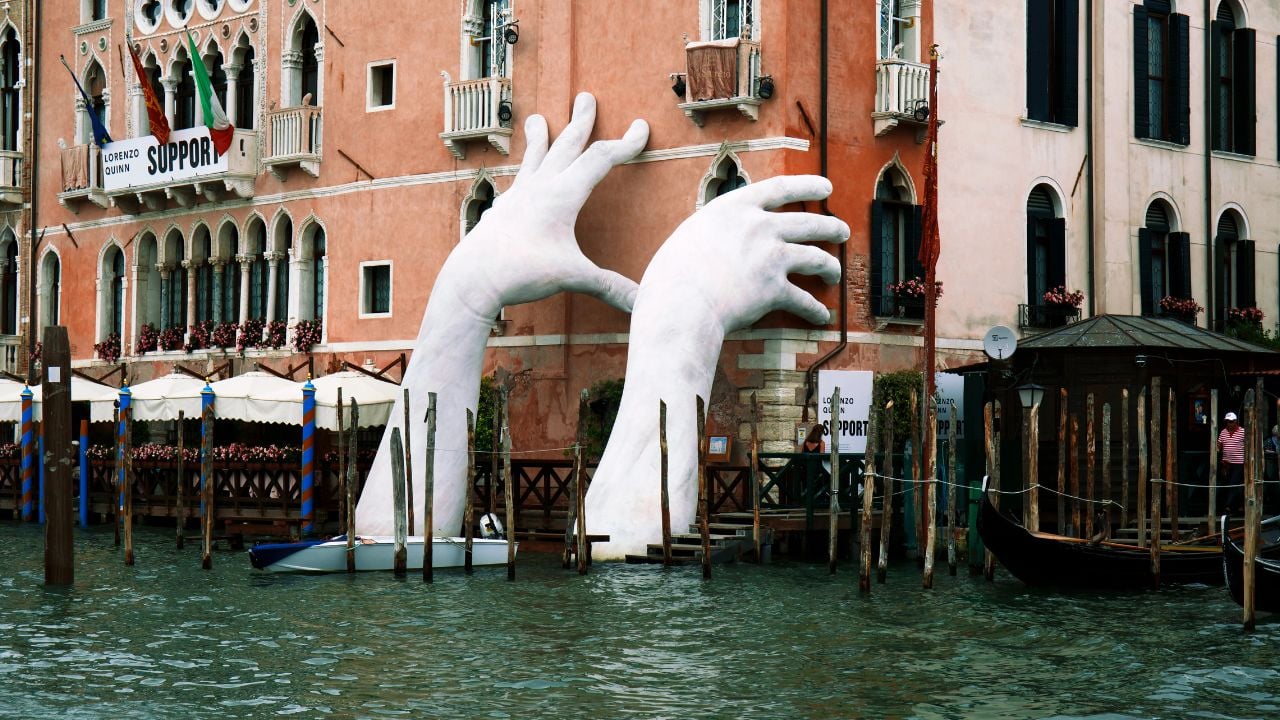
The photo of hands grabbing a building was taken in Venice, Italy. But if a study from the Virginia Institute of Marine Science is any indication, it represents how coastal Floridians may soon be feeling.
Researchers identified the top 10 U.S. cities where Gulf Coast sea levels are rising the fastest. Five Florida cities made the list, though none are rising at the fastest rate compared to certain Louisiana and Texas locations.
Florida Gulf Coast Cities Most Prone to Rising Sea Levels
Based on the 2024 data that the Virginia Institute of Marine Science studied, these are Florida’s Gulf Coast cities that are being impacted the hardest by rising sea levels.
All measurements are in millimeters per year (mm/yr).
| City | Rise Rate (mm/yr) | Acceleration (mm/yr²) |
|---|---|---|
| Key West | 3.607 | 0.141 |
| Fort Myers | 3.706 | 0.176 |
| St. Petersburg | 3.784 | 0.128 |
| Cedar Key | 3.5 | 0.195 |
| Pensacola | 3.709 | 0.234 |
Note that the study only focused on cities along the Gulf Coast, not the Atlantic or Pacific.
Louisiana Is in Bad Shape
Grand Isle was the only Louisiana city to rank in the top 10 cities where sea levels are rising the fastest. However, its rise rate is the most grim.
The sea level rise rate in Grand Isle is 8.238 mm/year, over double that of any Florida Gulf Coast city.
The silver lining? Its acceleration rate is the lowest, at 0.76 mm/y2.
Three Texas Cities Made the Cut
Galveston, Rockport, and Port Isabel rounded out the top ten Gulf Coast cities experiencing the largest rise rates.
All three of these cities have higher rise rates than Florida, ranging from 5.242 (Port Isabel) to 7.192 (Rockport). The sea level acceleration rate of these cities is both higher and lower than certain Florida cities.
Rising Sea Levels Are No Longer a Future Problem in Florida
For years, experts have warned that rising sea levels would one day threaten coastal communities. But in many parts of Florida, that “one day” has quietly turned into today.
Streets flood on sunny afternoons, a phenomenon known as “high tide flooding.” Saltwater bubbles up through storm drains. And long-time residents in places like Miami Beach, Key West, and St. Petersburg are seeing water where dry land used to be.
As global temperatures climb, glaciers and polar ice caps are melting faster than ever. At the same time, the ocean itself is expanding due to heat.
Florida, surrounded by water on three sides, has even more area that can be impacted by rising sea levels. And it’s not just beachfront mansions on the line.
Everyday Floridians are already paying the price, whether it’s in flood insurance premiums, storm-related property damage, or entire neighborhoods being forced to elevate roads and retrofit buildings.
Take, for example, Miami Beach, where construction workers are increasing road heights by two feet to prevent rising sea levels from flooding roads.
The change is slow enough that it doesn’t feel like a disaster right now, but fast enough that it can’t be ignored.
Do You Think Rising Sea Levels Are a Real Threat? Take Our Quiz to Test Your Knowledge and Share Your Opinion
1. Which Florida city has the highest sea level acceleration rate?
2. What causes “sunny day flooding” in places like Miami Beach?
3. Grand Isle, Louisiana is experiencing sea level rise at:
4. What has Miami Beach done to fight sea level rise?
5. What’s one reason sea levels are rising?
6. What is the technical name for sunny day flooding?
7. Do you believe rising sea levels are an urgent issue?
8. Would you consider moving if sea level flooding impacted your neighborhood?
9. Have you noticed signs of flooding where you live?
10. Do you think local governments are doing enough to prepare?
Before Rising Sea Levels
Do you wish you could go back to a time when “rising sea levels” wasn’t in our vocabulary?
From big bands to big hair, our playful Decade DNA Quiz reveals which classic American era fits you best. It’s fast, fun, and full of vintage flair that will temporarily make you forget about modern-day problems.
Meet Your Match. Discover Your Decade DNA. (Your Vintage Roots Are Showing)

19 Historical U.S. Myths That Annoy History Buffs to the Core

If your teacher taught it in history class, it’s normal to assume it’s true. Ask any historian, though, and you might be surprised to learn the stuff of school history lessons is often riddled with inaccuracies.
19 Historical U.S. Myths That Annoy History Buffs to the Core