
10 HOA Rules Virginians Can’t Believe Are Legal in 2026

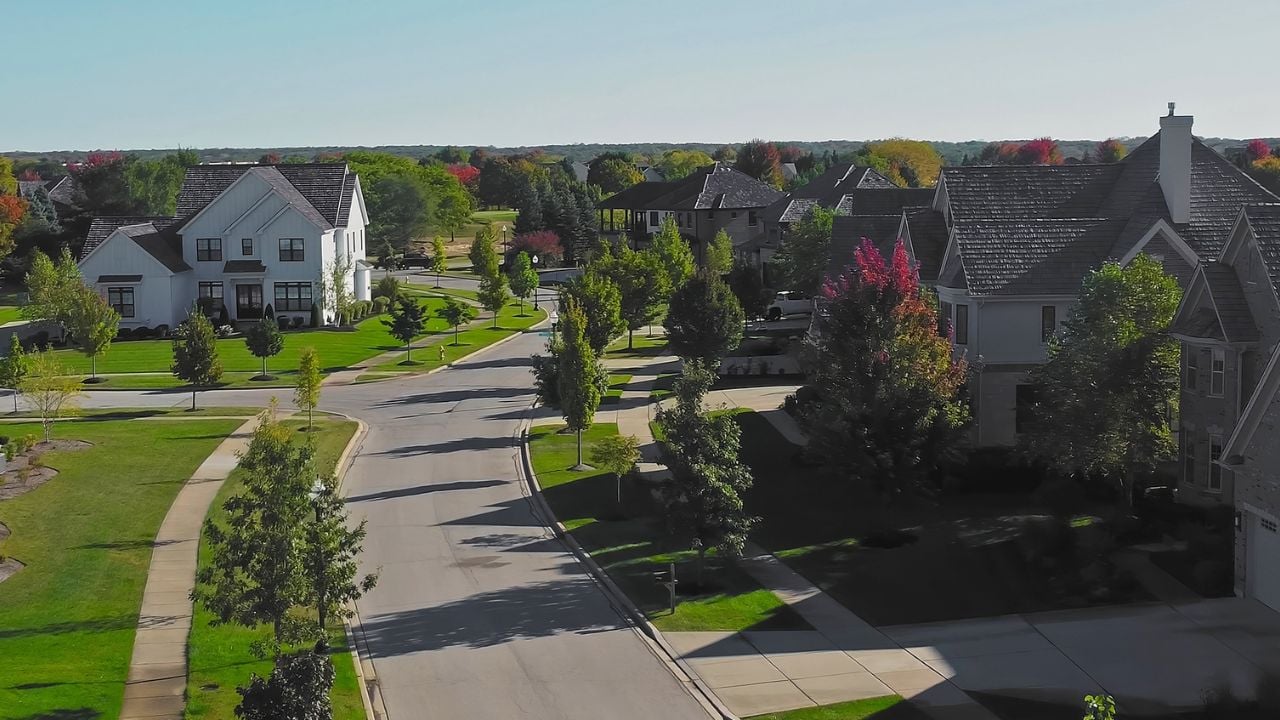
The magnolias are blooming, lawns are cut to the same tidy height, and everything in your cul-de-sac looks calm.
But behind that calm sits a volunteer board with the authority to reach into your wallet.
Plenty of Virginians never read the fine print until it costs them.
These are the HOA rules Virginians can’t believe are legal.
Note: This is general information, not legal advice. HOA rules and Virginia law vary by community; check your governing documents to confirm current rules.
Losing Your Home Over Dues
The scariest power a Virginia HOA holds reaches all the way to your house.
When you fall behind on assessments, your association can place a lien on your lot and then move to foreclose on it.
Virginia even allows a nonjudicial foreclosure, meaning the sale can happen without a judge signing off.
The board can start that process once the unpaid balance climbs past $5,000, not counting attorney fees and costs.
A few missed payments and some late charges reach that number faster than most Virginians want to believe.
Fines That Keep Adding Up
Your Virginia HOA can fine you for breaking its rules, and the meter doesn’t always stop at one charge.
State law caps the fine at $50 for a single violation and $10 a day for one that continues.
Those caps sound small until the daily charge runs.
The association can pile on that $10 a day for up to 90 days, so a single trash can left at the curb too long can grow into a $900 problem.
Before any fine sticks, the board has to give you written notice and a hearing at least 14 days out, a step Virginians should never skip challenging.
Banning Your Political Signs
Most Virginians assume the First Amendment settles what goes in their own yard.
The Property Owners’ Association Act protects your right to fly the American flag and put up a for-sale sign, but it says nothing that stops an HOA from restricting political yard signs.
That leaves the question to your governing documents, and many Virginia associations limit the size, the number, or the days a candidate sign can stay up.
Some ban them outright.
Virginia does make the HOA spell out any sign restrictions in the disclosure packet a buyer gets, so at least the rule can’t hide from you at closing.
Blocking Solar Panels
Virginia leans toward homeowners on solar, though not as far as many people think.
Your HOA generally can’t stop you from putting solar panels on your own roof, and a restriction counts as unreasonable if it raises your install cost by more than 5 percent or cuts your energy production by more than 10 percent.
The caveat trips Virginians up.
If the recorded declaration for your community flat-out prohibits solar panels, that ban holds, and older Virginia neighborhoods sometimes carry exactly that language.
So, read your declaration before you sign a solar contract, because the panels on your roof still answer to that document.
Dictating Your Paint Color
Your Virginia HOA can tell you what color to paint your own front door, and that authority holds up.
Architectural rules let the board pick approved shades, dictate shingle styles, and reject a fence you’d swear was your business alone.
Paint the shutters a bold teal without approval, and a violation letter usually beats the paint fumes out the door.
These design rules cover the parts of your property a neighbor can see, which is more of it than most Virginians expect.
The board doesn’t need a reason you’d call good, only a rule that’s on the books and reasonably enforced.
Psst! How much do you know about Virginia’s HOA and property rules? Take our quiz and see how many you can get right.
Towing the Car You Own
Your Virginia HOA can have your car towed from a spot you thought was fair game.
Parking rules reach street parking, guest parking, and even a work truck or boat you leave in your own driveway.
Virginia does put guardrails on how a tow can happen.
State towing law requires clear signs at the entrances to a parking area, listing who to call to find a hauled-off vehicle.
So, an HOA can enforce its parking rules hard, but a tow with no posted warning gives you a real fight.
Killing Your Short-Term Rental
Plenty of Virginians buy near the Blue Ridge or the Chesapeake picturing a steady Airbnb income.
Your HOA can shut that plan down before the first guest books.
When the recorded declaration bars rentals under 30 days, that ban usually beats whatever your city or county allows.
Many suburban Virginia communities have added exactly that language as short-term rentals spread.
Check the covenants before you count on the rental income, because the HOA rule outranks your listing.
Ruling on Your Backyard
Your fenced backyard in Virginia feels private, and your HOA still gets a say in it.
Sheds, swing sets, trampolines, above-ground pools, and even a vegetable garden can need board approval first.
Some Virginia associations regulate the height of your grass and the type of mulch in your beds.
Virginia does protect one backyard fixture people assume is banned.
A clothesline counts as a solar drying device under state law, so the same rule that shields your solar panels usually shields the line where you hang the sheets.
Charging You to Sell
Selling your Virginia home means paying your HOA on the way out the door.
Before closing, the seller has to hand the buyer a resale certificate that lays out the association’s rules, dues, and finances.
The association can charge to prepare that packet, and a rush order or an inspection add-on stacks more fees on top.
Virginia caps those charges rather than leaving them open-ended, which is the good news buried in the paperwork.
Still, plenty of Virginia sellers meet these fees for the first time at the settlement table, long after the price was set.
Suspending Your Amenities
Fall behind on your Virginia HOA dues, and the board can lock you out of the pool and the clubhouse you help pay for.
State law lets an association suspend your access to shared facilities and services once your assessments run more than 60 days past due.
The board can’t cut off the way you reach your own home through the common areas, and it can’t put your health or safety at risk.
Short of that, the tennis courts and the gym are fair game.
If you think a Virginia board crossed a line on any of this, the state runs a free Common Interest Community Ombudsman office that hears homeowner complaints and can push an association back toward the law.
That office in Richmond won’t win every fight for you, and it can’t rewrite your covenants.
What it can do is remind a Virginia board that the Property Owners’ Association Act binds the association just as tightly as it binds you.
10 Things Virginians Are Tired of Explaining to Outsiders
How many times can a Virginian explain that Arlington isn’t Washington, D.C.?
Ask anyone who lives here, and they’ve lost count.
10 Things Virginians Are Tired of Explaining to Outsiders
7 Retirement Mistakes Virginia Newcomers Make That Lead to Regret

Virginia never taxes your Social Security, so newcomers assume the whole retirement math works in their favor.
Plenty learn the hard way that the state doesn’t wait long to prove them wrong.
7 Retirement Mistakes Virginia Newcomers Make That Lead to Regret
