
10 Mail Scams California Retirees Fall For Every Single Year

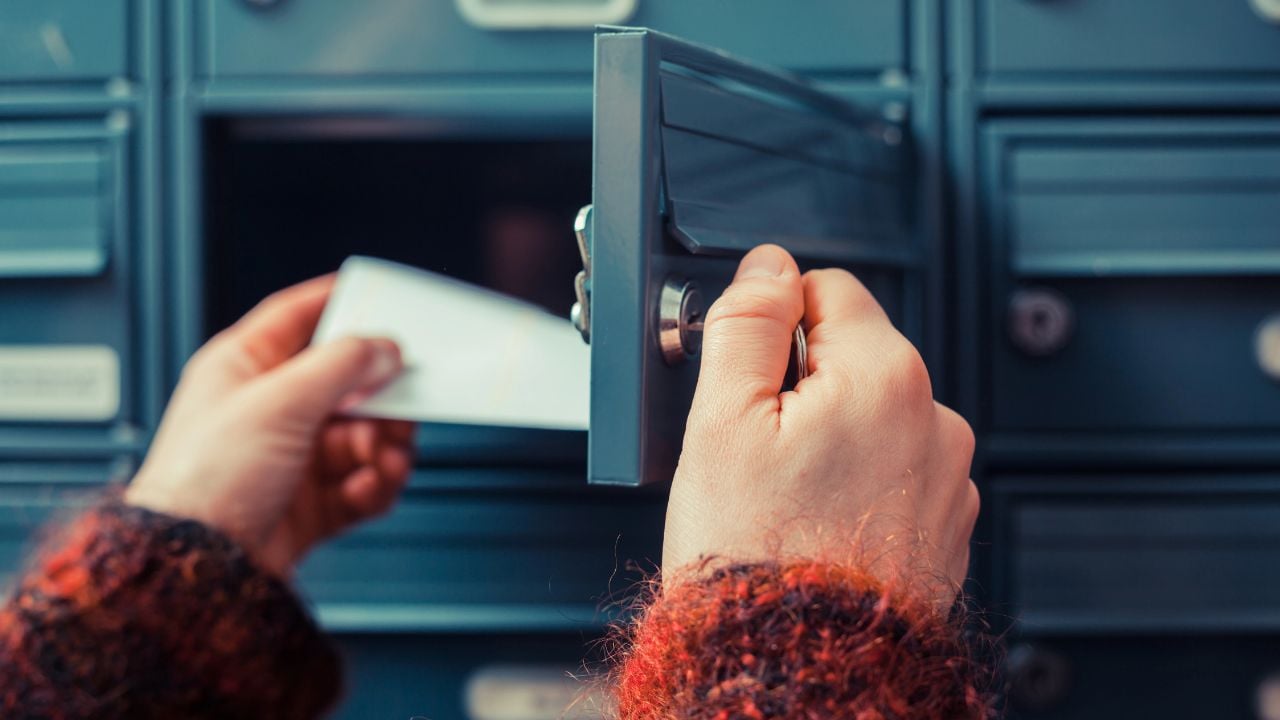
You open the mail, and there it sits: A check with your name on it, or a prize you don’t remember entering.
Your pulse ticks up out of excitement.
That reaction is the whole point.
Scammers mail these letters by the million because enough of them land to keep the presses running. Older adults reported close to $2.4 billion in fraud losses in 2024 alone.
The envelope on your counter could be next.
Here’s how California retirees can spot the most common suspects.
Note: Scammers count on silence and shame. If one of these reaches you, report it free at ReportFraud.ftc.gov, even when you lose nothing, because each report helps investigators trace the operation behind it.
The “You Won” Sweepstakes Letter
It looks official, down to the gold seal and a famous brand name stamped across the top.
You’ve won millions, the letter says, and all it takes is a small fee to release the prize.
That fee is the scam.
Real lotteries and sweepstakes won’t ask you to pay a cent to collect, and taxes on a genuine prize go to the government, never to a middleman by wire or gift card.
Pay once, and a new fee appears, then another.
Send the money, and the prize never shows.
The Check You’re Told to Cash
This one feels like a windfall.
A check lands in your mailbox, real enough to fool a bank teller, with instructions to deposit it, keep a slice, and wire the rest back for fees or taxes.
Here’s the trap: Fake checks can take weeks for a bank to catch.
By the time your check bounces, your wired cash is gone, and the bank pulls the full amount from your account.
No honest deal hands you a check and asks for cash in return.
The Free Vacation Voucher
Congratulations, you’ve been chosen for a cruise or a resort stay, and the certificate looks rich with gold print and fancy borders.
Then the catches start rolling in: a processing fee, a club membership, a card number to hold the reservation.
The trip drifts out of reach with every new charge, and when you read the fine print, the open dates never line up with your calendar.
A real prize doesn’t need your card number to set you free.
The Government Threat Letter
Few things rattle a retiree like an official seal next to a threat.
Your benefits face suspension, the letter warns, or your Social Security number is flagged for a crime, and you must pay to clear it up.
Social Security will never threaten suspension or demand payment by gift card, wire, or cash.
If you owe the agency money, it mails a plain letter that spells out your appeal rights.
The IRS works the same way, opening with a bill rather than a threat.
Fear is the only weapon here.
The letter wants you scared enough to call before you think.
The Charity With No Heart
Disasters and holidays bring a flood of giving letters, and some of them tug at veterans, police, or sick children.
A share of them are fakes, built to pocket your kindness.
The tells hide in the details: A name a hair off from a famous charity, no street address, and pressure to give on the spot by card or cash.
Look up any group before you write a check, and steer your giving toward the ones you seek out on your own.
The Medicare Card “Update”
Wave a Medicare logo, and a lot of mailboxes pop open.
The letter offers a new card, a free brace, or a no-cost genetic test, and all they need is your Medicare number to get started.
That number is the problem.
Crooks use it to bill for care you never got, which can tangle your true coverage and cost you months of cleanup.
Medicare doesn’t cold-mail you for your number or push free gear, so guard your card the way you’d guard a credit card.
The Expiring Auto Warranty
Your vehicle’s warranty is about to expire, the postcard warns in bold red ink, so call this number before your coverage lapses.
The senders carry no real link to your carmaker or your dealer.
What they want is money for a service contract that covers little, or your card number, with no questions asked.
Your true warranty lives in your own paperwork, so check it there before you trust a stranger’s deadline.
The Bill You Never Owed
A past-due notice turns up for a debt you don’t recognize, maybe a payday loan, a subscription, or an old account.
The letter leans on shame and a tight deadline to force a quick payment.
Scammers buy or invent these debts and bank on your doubt.
You can demand proof in writing before a dime changes hands, and a real collector has to send it.
A fake one melts away the moment you push back.
The Pre-Approved Loan
Bad credit? No problem, the letter says.
You’re approved, with easy money and no credit check.
There’s one hook: You send a fee for insurance, processing, or the first payment.
A real lender subtracts any cost from the loan, while a scammer wants your cash before you see a dime.
The promise of a sure thing is the red flag.
The Official Deed Offer
This one preys on pride of ownership.
A letter on crisp letterhead offers a copy of your property deed for a tidy fee of $90 or so, and it reads like a must-do order from the county.
It isn’t.
Your county recorder sells you that same deed for a few dollars or hands it over free online.
New homeowners and recent movers see this a lot.
Toss the letter and pull your records from the county yourself.
Red Flags in Any Envelope
Strip away the logos, and scams share a single shape.
They rush you with act-now deadlines, they steer you toward gift cards, wire transfers, crypto, or cash in an envelope, and they dangle a prize before they slip in a fee.
Trust that doubt in your gut.
One red flag means slow down. Two or more means walk away.
The FTC says it plain: No honest agency demands money, makes threats, or promises you a prize.
What to Do With a Suspicious Letter
Hold onto the letter, but don’t call the number printed on it.
Take a breath and run it past someone you trust, a spouse, a friend, or a grown child, because a scam loses its grip the second you say it out loud.
Report mail scams to the postal inspectors, who carry the badge for crimes that travel by mail.
Then shred the letter.
18 Foods Californians Grew Up With in the ’70s That Disappeared

Some of the best foodie things about a California childhood in the ’70s no longer exist.
Here are the foods that vanished, and the memories that didn’t.
18 Foods Californians Grew Up With in the ’70s That Disappeared
Retirees Are Leaving California For These 6 Cheaper States
Why sit on $833,000 of equity in a state that taxes your retirement income when you can move inland or east, buy a comparable home for half the price, and pay no income tax at all?
Thousands of California retirees are running exactly that calculation, and these states keep coming out on top.
Retirees Are Leaving California For These 6 Cheaper States (It’s Hard To Blame Them)
