
10 Old Florida Traditions Newcomers Have Never, Ever Heard Of

On the sixth of January, a teenage boy waits on a boat in a Tarpon Springs bayou for a priest to throw a white cross into the cold water.
When it hits, he dives, and a dozen other boys dive with him.
Whoever surfaces with the cross gets a year of good luck, or so the old divers promise.
These are the Old Florida traditions newcomers have never heard of.
1. Eating the State Tree
To the pioneers of Old Florida, the state tree was dinner.
Swamp cabbage is the tender heart of the sabal palm, cut from the center of the trunk and boiled soft.
Families lived on it.
It tastes like a milder, greener artichoke, and taking the heart kills the palm, so it was always a special-occasion food.
The town of LaBelle still throws a Swamp Cabbage Festival around this pioneer staple every winter, rodeo and fry included.
2. Grunting for Worms
Calling worms out of the ground with wood and iron is pure Old Florida.
You drive a stake, called a stob, into wet soil and rub a flat iron over the top until the earth vibrates.
Up they come.
Bait sellers around Sopchoppy have grunted for their worms this way for generations, filling buckets to sell to fishermen.
The worms flee to the surface because the shaking mimics a digging mole, their real predator.
3. Grinding Cane for Syrup
The first cold snap of the year still means cane-grinding season in Old Florida’s back country.
A mule walks in circles to turn a mill that squeezes the juice out of the cane stalks.
That juice boils in an open kettle for hours until it thickens into dark cane syrup.
Neighbors show up.
A cane grinding was as much a social gathering as a harvest, and jars of that syrup went on biscuits all winter long.
4. Chasing the Tupelo Bloom
Some of the country’s most sought-after honey comes from Old Florida’s swamps along the Apalachicola River.
White tupelo trees bloom for only a couple of weeks each spring, so beekeepers pole their hives out on barges to catch it.
Miss the window, and the crop is gone.
Pure tupelo honey never crystallizes because it runs high in fructose, so a jar stays smooth and pourable for years.
The Lanier family near Wewahitchka has been chasing that short bloom since 1898.
5. Datil Peppers
In St. Augustine, Minorcan cooks still swear by a chili you won’t find in a normal grocery store.
The datil pepper is sweet and fierce at the same time, far hotter than a jalapeno yet oddly fruity.
It’s traditionally said to have arrived with Minorcan immigrants in the 1700s, and it barely grows anywhere else in the country.
Cooks still simmer it into pilau and a fiery Minorcan clam chowder that turns up on menus all over the old city.
The heat sneaks up late.
6. Cracker Cow Hunters and the Whip
Florida’s cow hunters ran half-wild cattle across open scrub a century before filmmakers turned the cowboy into a movie star.
They pushed the herds through the palmetto with braided leather whips and quick cow dogs.
No lasso required.
Some say the crack of those whips gave the state’s pioneer families their nickname, though the word for a loud braggart is older.
Riders still cross the peninsula on the old Cracker Trail every winter to keep the tradition going.
7. Smoked Mullet
The Gulf coast of Old Florida was built on a fish most newcomers won’t touch.
Mullet is oily, bony, and beloved, usually split and slow-smoked over oak until it flakes apart.
The fishing village of Cortez, settled by North Carolina mullet fishermen in the late 1800s, still nets them the old way.
Locals fry the roe, too.
A smoked mullet spread on saltine crackers is a coast tradition tourists drive right past on their way to the beach.
8. Diving for the Cross
Greek divers turned Tarpon Springs into a sponge-harvesting hub in the early 1900s.
They came for the natural sponges on the Gulf floor, and the Sponge Docks still sell them by the bin.
Every January 6, the town holds an Epiphany cross dive, when teenage boys leap into a cold bayou and race for a wooden cross.
Whoever surfaces with it earns a year of blessings.
It dates to 1906.
9. Weeki Wachee Mermaids
Roadside attractions are the heart of Old Florida, and the Weeki Wachee mermaids have outlasted most of them.
Since 1947, women in fabric tails have performed underwater ballets in a natural spring while crowds watch through glass below the surface.
They breathe from air hoses tucked into the scenery, a trick a former Navy man named Newton Perry came up with.
No tank on their backs.
The spring pours out more than a hundred million gallons of 74-degree water a day, and the show has run on schedule for generations.
10. Boiled Peanuts by the Roadside
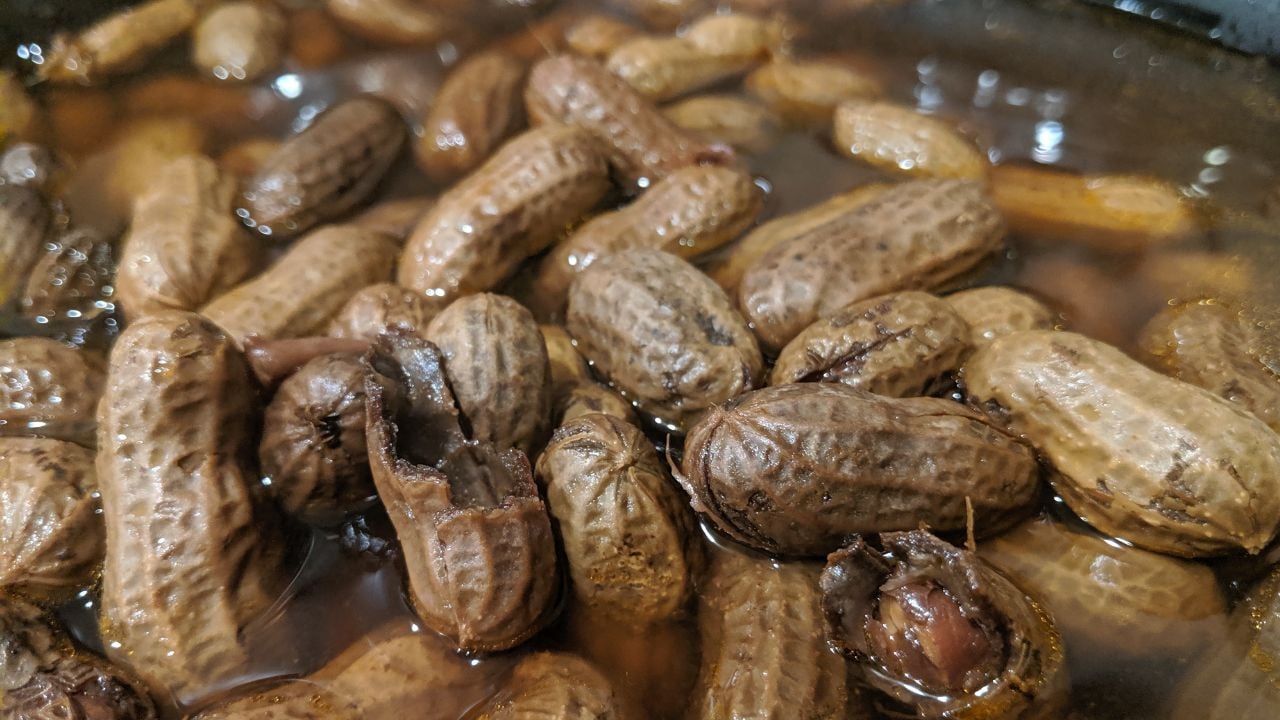
Roadside vendors still sell Old Florida’s favorite snack from a steaming pot on the highway shoulder.
Boiled peanuts start as raw green peanuts, fresh from the ground and soft, not the dry roasted kind.
You boil them for hours in heavily salted water until the shells go soggy and the nuts turn tender.
Hand-painted signs mark the turnoffs.
A brown paper sack of boiled peanuts, still hot, is the proper fuel for any drive across the state.
You crack the wet shell, sip the salty brine inside, and reach for the next peanut before the bag cools.
6 Florida Springs Locals Avoid (and 3 They Pack Their Cooler For)
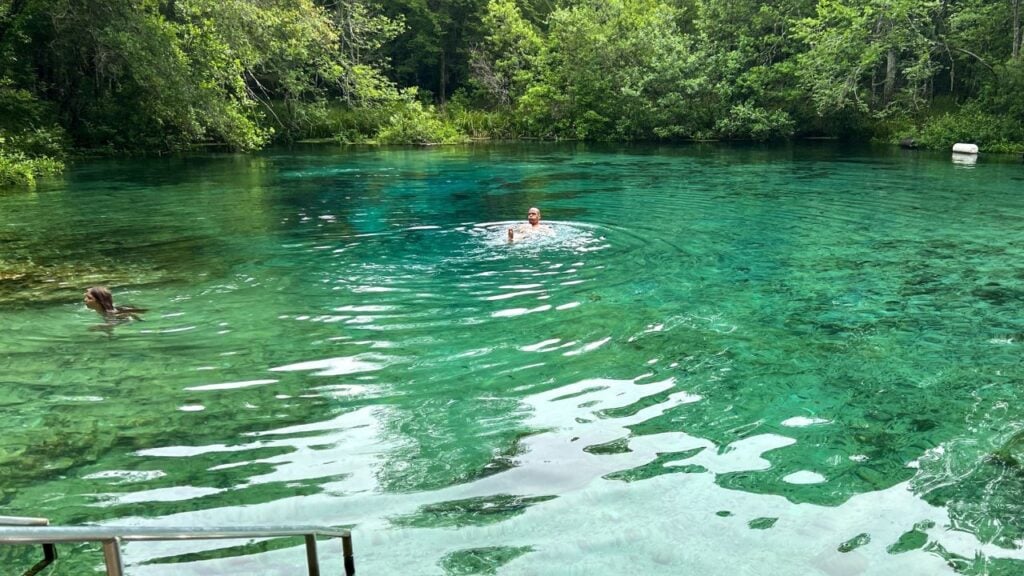
Not every famous Florida spring is worth the parking headache.
The biggest names off I-75 fill their parking lots by 9 a.m., so native Floridians slip off to calmer water that tourists drive right past.
6 Florida Springs Locals Avoid (and 3 They Pack Their Cooler For)
17 Words Floridians Say That Make Northerners Do a Double Take
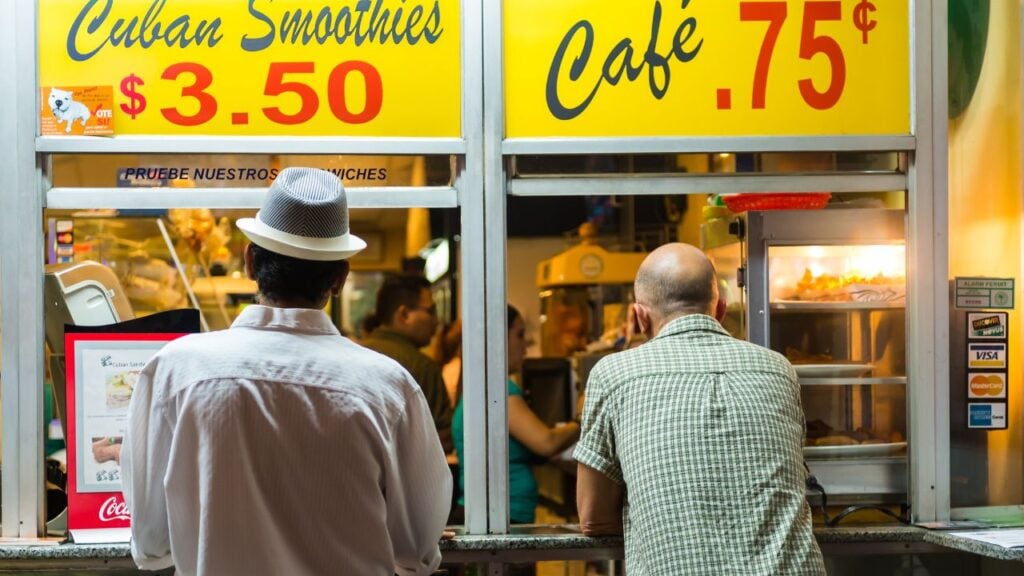
A Floridian can order lunch, gripe about the bugs, and give you directions without saying one word a Northerner recognizes.
It sounds like English, kind of, and these are the everyday words that leave visitors doing a double take.
17 Words Floridians Say That Make Northerners Do a Double Take
