
10 Photos and Videos Bay Staters Should Ask Permission Before Posting

Would you still hit “share” on your porch-camera clip if you knew what Massachusetts’s wiretap law could do to it?
The law’s been on the books since the 1960s, and it can turn a stranger’s voice on that clip into a felony.
These are the photos and videos Bay Staters, and anyone else with a phone in their pocket, should ask permission before posting.
Note: This is general information, not legal advice. Recording, privacy, and photography laws vary and are subject to change.
1. Someone Else’s Kids
Would you want a stranger posting a photo of your kid without asking first?
Other people’s kids turn up in Bay State family photos constantly, propped next to yours on a beach towel or caught mid-cannonball in the background of somebody’s pool party.
Pediatricians take the concern seriously, not as paranoia.
The American Academy of Pediatrics warns that publicly shared childhood photos expose kids to strangers and carry risks to their identity.
A stranger can also take a lifted photo and build a separate identity around it, a pattern child-safety researchers call digital kidnapping.
A friend’s child deserves the same ask-first treatment as anyone else’s kid, even when the shot is adorable enough that posting it feels harmless.
Not harmless.
A quick text to the other parent, asking if it’s okay to post, costs nothing and heads off an awkward conversation later.
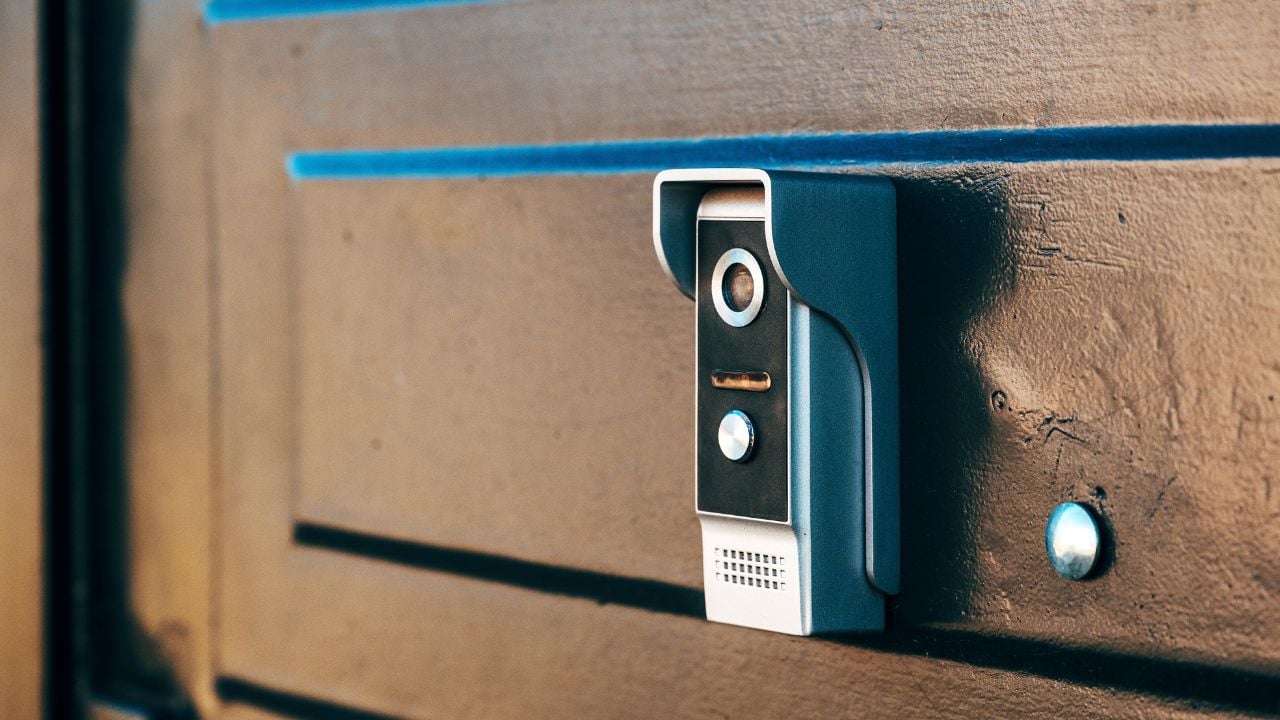
2. Your Doorbell’s Audio
Your doorbell camera catches more than porch pirates on video.
It picks up whatever the letter carrier says to a neighbor, whatever the delivery driver mutters about your steps, whatever two strangers argue about on the sidewalk below the lens.
Massachusetts enacted its wiretap law in 1968, and it makes secretly recording anyone’s voice a felony with no exception carved out for a $200 camera bolted to your front door.
The rule turns on whether the person even knew a microphone was running, not whether they signed anything.
Post that clip with a stranger’s voice clearly on it, and you’ve shared the very evidence a prosecutor would need.
Under the state’s wiretap law, that charge can carry up to five years in state prison.
What Makes a Video “Secret”
Massachusetts’s wiretap law targets the audio on that doorbell clip, not the video image.
A camera that never picks up sound falls outside the statute, even if it keeps rolling around the clock.
That’s why many video doorbells now ship with a setting that turns off the microphone while leaving the picture running.
A visible camera, a verbal heads-up, or a posted sign by the door can also put someone on notice that audio might be recorded.
That notice alone is enough to take a clip outside the law, even with the microphone on.
3. A Stranger in the Frame
A vacation photo goes up, a friend tags a face in the crowd, and suddenly a stranger is asking why their picture is online.
Massachusetts backs that expectation with an actual statute, not just court rulings that could go either way.
The law gives a resident “a right against unreasonable, substantial or serious interference with his privacy,” enforceable with damages in Superior Court.
That bar is high.
A crowd scene or a distant figure rarely counts as serious interference.
A single, clearly identifiable, or exploitative shot is a different story.
Ask before you post when a face is unmistakable, and crop or blur it when you can’t.
4. A Friend’s Home Tour
A closed front door feels private.
A home tour posted live from a friend’s kitchen island isn’t.
It shows off a house’s layout, its valuables, and exactly when nobody’s inside.
Massachusetts police departments have flagged the same pattern: After a string of home break-ins in 2023, Sudbury Police warned residents not to post their vacation plans on social media.
Burglars watch for that information the way a shopper watches a sale flyer.
No malice required.
Send the photo to your friend first, and let them decide what stays out of frame.
5. A Wake or Calling Hours
Phones mostly stay in pockets at Massachusetts wakes, an unspoken rule against photos that catches newcomers off guard.
Many funeral homes here still call the gathering calling hours.
The custom runs deep in New England, where an evening visitation the night before the funeral remains common, especially among Irish Catholic families.
Etiquette authorities including the Emily Post Institute give clear guidance: Skip photos of the mourners or the person being remembered unless the family invites them.
A group shot of cousins who haven’t shared a room in years is fine, taken away from anyone grieving.
Not during the service.
Text the family afterward and ask before posting anything from the day, even a shot you’re sure nobody would mind.
Psst! How much do you know about the history of the camera in your pocket? Take our quiz and see if you can ace it.
Quiz
Photo & Privacy IQ
Answer these questions on camera history and privacy law. We bet you can’t get them all right. Prove us wrong?
In what year did the first commercially sold camera phone go on sale in Japan?
6. A Hospital Waiting Room
Other patients end up in the background of hospital photos more often than any visitor intends, caught in a waiting room, a hallway, or a shared recovery bay.
The Health Insurance Portability and Accountability Act (HIPAA) binds the hospital and its staff, not a visitor's camera.
Mass General Brigham, one of the state's largest hospital systems, bars visitors from photographing other patients or staff without consent under its visitor policy.
Snapping a newborn is fine.
Catching the stranger in the next bed, the gurney in the hallway, or the whiteboard listing another patient's care team isn't, even by accident.
Ask the nurses' station, the other patient, or their family before a hospital photo goes anywhere public, and crop out anyone who never agreed to be in it.
7. A Coworker's Photo
Is that launch-party photo of a coworker yours to post?
It feels like the easiest share of the week, until the coworker asks you to take it down.
Ask first.
Sharing it from a personal account is mostly a courtesy, especially if the post is going somewhere public.
The rules tighten the moment a business does the posting instead of a person.
Massachusetts law lets a person sue in Superior Court when someone uses their name or picture for advertising or trade without written consent.
A company that keeps using the photo after a written objection can owe triple the damages.
Guidance for employers says the same thing: Put a signed-consent form in front of an employee before a work photo goes on the website or the company's social feeds.
8. A Delivery Driver's Footage
A doorbell camera's video catches a delivery driver taking what looks like a free snack off a porch.
Within hours, his face is circulating in a local Facebook group with a demand that somebody identify him.
That's roughly what happened outside a bakery in Milton, Florida, in August 2026, when an Amazon driver mistook a $4 cake pop marked "Pay Here" for a homeowner's free treat.
The bakery posted the doorbell footage and asked the group to track him down, even after he identified himself and paid for it.
The backlash landed on the bakery instead, but the driver's face and name had already spread past anyone who could vouch for him.
Research firm Data & Society has found that many delivery drivers consider this kind of public shaming unacceptable.
Some have had a bad moment at work go viral with no say in the matter.
No clip needs an audience.
Report a theft or safety concern to the delivery company or police, and ask the person, or blur their face, before a home security clip goes any further than that.
9. Another Driver's Plate
A near-miss on the Pike ends, adrenaline still running, and the phone comes out to snap a photo of the other driver's plate.
Posting it to shame the driver feels satisfying in the moment.
It's satisfying, not safe.
Nobody has time to ask a stranger's permission mid-argument, and that's exactly the point: The ask belongs to police, not your followers.
Privacy researchers say a plate number by itself is generally not considered identifying information.
Pair that plate with a location and a paid lookup service, though, and a stranger with the right tools can eventually connect it to a name.
Report the plate and the incident to police instead of broadcasting it.
Blur the plate first if a clip is worth keeping at all.
10. Someone Else's Wedding
Someone else's wedding, especially the ceremony itself, isn't yours to post first.
Wedding planners now build entire "unplugged" ceremonies around this exact problem, asking guests to keep phones away until the couple is ready to share.
A guest's blurry aisle shot, posted before the photographer even shares the official ones, can spoil a reveal the couple spent months planning.
Reveals don't get do-overs.
The fix is simple: Hold the photos until the couple posts first, or ask them directly if they mind an early share.
Couples will usually tell you exactly what they want, once somebody asks.
8 Sunday Rules That Catch New Residents Off Guard
One state still measures a Sunday shopping exemption against one exact date from 1962, and any business that was open and legal back then still gets a pass today.
Liquor stores close everywhere in the state on Sunday, but whether a restaurant can serve a mimosa comes down to which county you're sitting in.
