
10 Problems Ohio Apartment Maintenance Workers Wish Tenants Reported Sooner

A maintenance tech can usually tell how bad a work order will be before the first sentence is out of a tenant’s mouth.
It’s the date that gives it away.
The problem called in on day one and called in three weeks later isn’t the same job anymore.
These are the problems Ohio apartment maintenance workers wish tenants reported sooner.
Note: This is general information, not legal advice. Ohio’s landlord-tenant maintenance rules are subject to change.
1. Drip Under the Sink
Ohio apartment maintenance workers can spot the difference between a leak reported on day one and a leak reported three weeks later before they even open the cabinet.
A slow drip under a sink or around a toilet’s base looks like nothing worth a phone call.
It isn’t nothing.
The Environmental Protection Agency (EPA) says drying a wet surface within 24 to 48 hours is what keeps mold from growing there in the first place.
A tenant who spends a week deciding whether a drip is worth mentioning has already blown past that window.
Mold gets the run of the cabinet or the flooring underneath it once that happens.
By then, it’s a bigger job.
2. Toilet That Won’t Stop Running
How many gallons can a single worn flapper waste before an Ohio maintenance crew even hears about it?
A worn flapper doesn’t flood anything, so it’s easy to let it run for weeks.
That’s the trap.
The EPA’s WaterSense program says a single worn flapper can waste thousands of gallons a year without ever flooding the floor.
Every week it runs adds to a water bill that lands on the property, not on the tenant who never mentioned it.
What Ohio Law Asks Tenants to Do
Ohio law doesn’t just hand maintenance duty to the landlord and stop there.
Under Ohio’s landlord-tenant statute, a tenant has to keep every plumbing fixture “as clean as their condition permits” and use each one properly.
The same law makes tenants responsible for keeping the range, refrigerator, washer, and dryer the landlord supplies in good working order.
That duty only kicks in when the written lease says the tenant has to maintain them.
A running toilet nobody reports isn’t just wasting money.
It’s already sitting on the tenant’s side of that legal line, too.
3. One Cockroach
Maintenance techs take a single pest sighting far more seriously than many tenants do.
A tenant who spots one roach in the kitchen often waits to see if it happens again before saying anything.
It will happen again.
Rutgers University entomologists say a female German cockroach can lay up to 250 eggs in her lifetime, with a whole generation growing up in about 100 days.
One roach reported the week it’s spotted is a five-minute spray.
One roach reported a month later is a full unit, and sometimes the whole floor.
4. Slow Bathroom Drain
Water pools around a tenant’s ankles for a few extra seconds in the shower, long before an Ohio maintenance crew ever hears about it.
Many apartment buildings run their plumbing through a single vertical stack shared by every unit above and below it.
A clog that starts small in one bathroom can build enough pressure to push wastewater back up into a completely different apartment.
Usually a lower apartment gets it first.
Plumbing crews who service multi-unit buildings say the earliest sign is a drain that empties slower than it used to, days or weeks before anything backs up.
5. Musty Smell With No Leak
Ohio maintenance teams take a musty smell just as seriously as a visible leak, even with no water in sight.
A smell alone doesn’t feel like something worth a work order to many tenants.
It should.
The EPA says mold can grow behind drywall or under carpet, in spots nobody can see.
A musty smell is often the only clue it’s there.
By the time a smell is strong enough for a tenant to mention it, the mold behind the wall usually isn’t new anymore.
6. Chirping Smoke Detector
An Ohio maintenance crew’s least favorite fix is the one where a tenant just pulls the chirping detector’s battery and calls it solved.
A chirping or dead smoke detector is easy to ignore for a few nights, especially at 2 a.m.
Many tenants do.
Federal fire data from 2018 to 2020 show nearly a quarter of fatal home fires happened in homes with no smoke alarm present at all.
Another 7% had an alarm that failed to work when it mattered.
A dead nine-volt battery is how an apartment joins either number.
7. Dryer That Runs Twice
Ohio maintenance techs know a dryer that takes two cycles to finish one load isn’t just running slow.
Many tenants simply start the dryer again.
That’s the wrong fix.
Fire-safety researchers tracing dryer fires back to their cause put lint buildup and clogged vents behind roughly a third of them.
A dryer straining through a second cycle is usually asking for that vent to be cleared, not for another quarter in the machine.
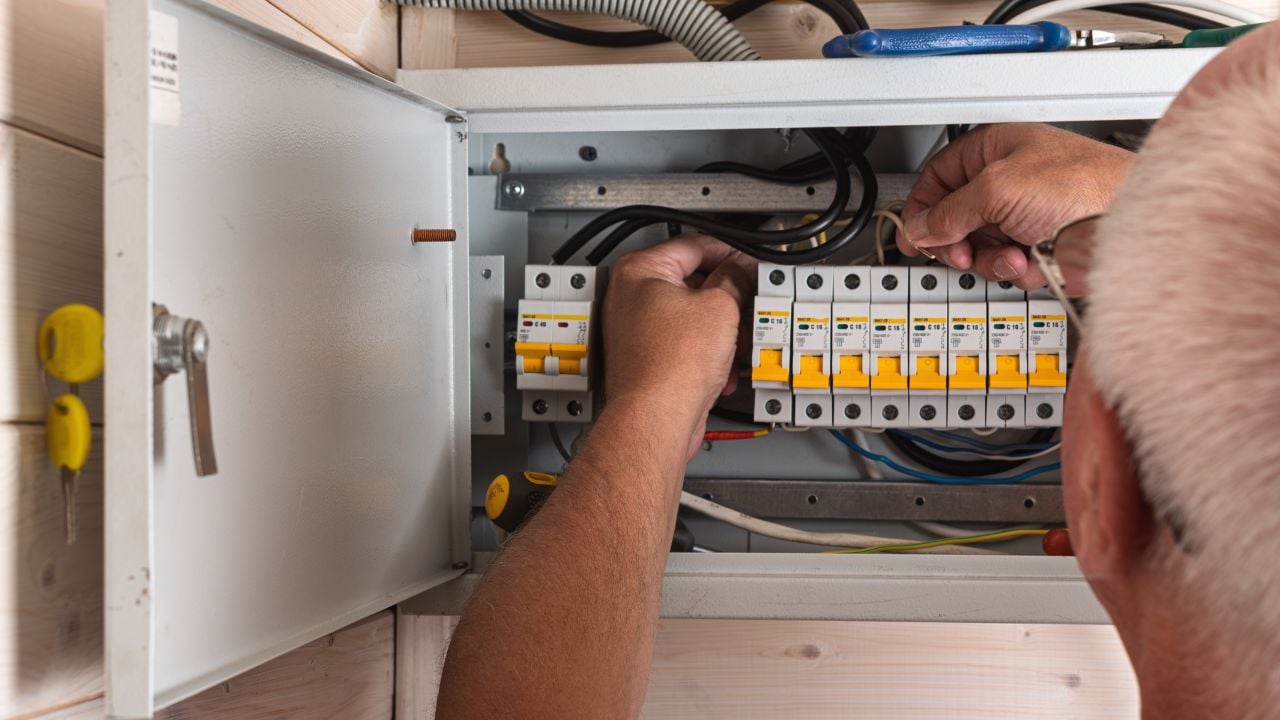
8. Breaker That Keeps Tripping
About 13% of home fires start with electrical failure, which is why an Ohio maintenance crew treats a tripping breaker as a warning.
Many tenants just flip it back on and move on with the day.
That’s the wrong instinct.
The Electrical Safety Foundation International traces that 13% figure to National Fire Protection Association data from 2015 to 2019, much of it arcing in wiring nobody flagged in time.
A flickering light counts too.
9. Drafty Window
Ohio maintenance teams start fielding more calls about heat than air conditioning the moment fall turns toward the season’s first cold snap.
A tenant with a window or door that’s been drafty since September usually waits to report it until the heating bill arrives in January.
It already cost money.
Energy Star is the government’s home energy-efficiency program.
It says the leaks, holes, and gaps in a typical home add up to the equivalent of a window open every day of the year.
Every fall, the Ohio Department of Commerce’s State Fire Marshal office urges residents to get heating systems checked before the cold arrives.
A drafty unit is often the first clue that a system is already working harder than it should.
Psst! How much do you know about rental history and repairs? Take our quiz and see how many you can get right.
Quiz
Rental History IQ
Answer these questions on renting, repairs, and the law behind your lease. We bet you can’t get them all right. Prove us wrong?
Roughly what share of U.S. households rent instead of own their home today?
10. Fridge That's Not Cold Enough
The milk still smells fine, so a fridge running a few degrees warm doesn't feel like something worth mentioning to an Ohio maintenance crew.
A fridge that isn't quite cold enough still keeps milk from spoiling for a few more days, so tenants let it ride.
That's the risky part.
The U.S. Department of Agriculture's (USDA) food-safety guidance puts the danger zone at 40 to 140 degrees.
Bacteria on perishable food can double roughly every 20 minutes within that range.
A refrigerator that's been running warm for weeks is closer to a failed compressor than a quick fix, and closer to food that isn't safe to eat, too.
9 Things Ohio Drivers Do That Would Get Them a Ticket in Other States
A blood alcohol reading that barely registers on an Ohio traffic stop triggers an arrest for driving under the influence (DUI) the moment a driver crosses into Utah.
Ohio's rules of the road run looser than many neighbors realize, and a habit that draws no attention there turns into trouble two states over.
9 Things Ohio Drivers Do That Would Get Them a Ticket in Other States
8 Ohio Restaurant Chains the Rest of the Country Has Never Tasted
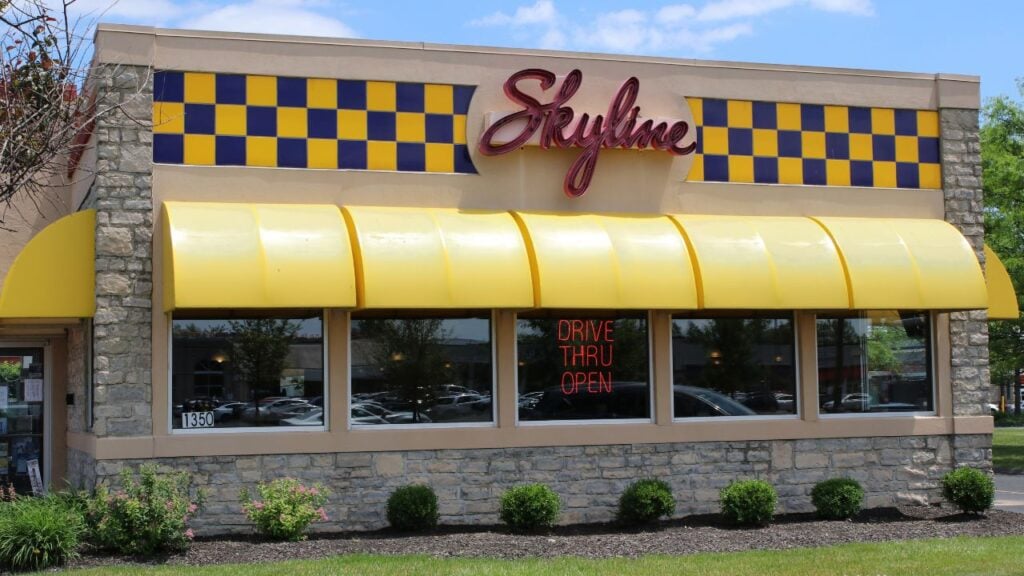
Drive across the Ohio state line in almost any direction, and a whole category of restaurant signs disappears.
The chili spot vanishes first, then the burger drive-in with the double-decker sandwich, then the regional pizza chain Ohioans assume everyone else already knows.
8 Ohio Restaurant Chains the Rest of the Country Has Never Tasted
