

10 Safety Rules Pennsylvanians Should Follow When Selling Items Online

Pennsylvania’s attorney general has warned residents about a fake PayPal invoice built to look official enough to fool an online seller.
To help combat online consumer fraud, police departments across the state keep marked, camera-covered lots open for buyer-and-seller handoffs.
These are the safety rules Pennsylvanians should follow when selling items online.
Note: This is general information, not legal advice. Vehicle-transfer rules and state regulations are subject to change, so confirm the current requirements with PennDOT.
1. Bringing a Companion and Saying Where You’re Going
Bringing a companion is one of the easiest safety moves for anyone meeting a stranger from an online sale.
Tell someone you trust who you’re meeting and where, and bring a friend along.
OfferUp says flatly that no deal is worth meeting up once it’s dark out.
2. A Police-Monitored Exchange Spot
Police departments have built a network of meeting spots made for exactly this online-sale handoff.
Penn Hills and Ross Township in Allegheny County both mark off parking spaces right by their departments’ doors, under camera watch.
Ross Township’s spot works on a first-come basis.
Philadelphia opened the lobby of all 21 police districts to the same kind of exchange back in 2017, no appointment required either.
Springettsbury Township and the York County Regional Police Department both keep marked spaces under video watch in York County.
Manheim Borough in Lancaster County does the same outside its station.
Hummelstown and Middletown do too.
A free national locator called Safe Trade Spots maps these lots by postal code.
What a Safe-Exchange Camera Won’t Do
Pennsylvania’s safe-exchange spots record the meeting, and recording isn’t the same as watching.
Ross Township’s police department says its cameras aren’t monitored around the clock, so nobody is necessarily on the other end of that feed while a deal is happening.
Call 911 the moment something feels wrong instead of counting on the camera to send help.
3. The Button to Skip
Payment apps like Venmo and PayPal split every transfer into two categories, and only one of them protects a seller.
Goods and services payments come with a resolution process and protection for both sides, while friends and family payments carry neither one.
Fees exist for a reason.
A buyer who insists on “friends and family” to dodge that small fee is asking for more than they realize.
They’re also asking a seller to give up the one protection that would help if the payment bounces back later.
4. Pulling the Plate First
Pennsylvania handles a car’s license plate differently than many other states once you sell it.
PennDOT requires the seller, not the buyer, to remove the plate and either transfer it to another vehicle or mail it back to the Return Tag Unit in Harrisburg.
The plate stays with you.
Skip that step, and whoever bought your old sedan off Facebook Marketplace could end up driving around under registration that still traces back to your name.
5. Keeping Messages Inside the App
Every message about an online sale belongs inside the marketplace app’s chat, not a text thread or a personal email.
OfferUp’s guidance is direct about why: Staying inside the app protects a seller’s identity and keeps a record if a deal goes wrong later.
Numbers and addresses can wait.
A buyer who pushes hard to text or call right away is often just trying to move the conversation somewhere nobody else can see it.
6. Checking for a Verified Badge
Checking an online buyer’s profile for a verified badge takes only a few seconds before agreeing to meet.
OfferUp runs its TruYou members through a phone number, a government ID, and a selfie match before handing out that badge.
Facebook Marketplace offers a version of a verified profile too.
Neither one guarantees good behavior.
OfferUp is upfront that passing the check confirms someone is real, not that they’re safe to meet.
7. A Signature for Pricey Shipments
A shipped item needs a paper trail once its price gets high enough to matter.
eBay requires a delivery signature on any shipment worth $750 or more, so a false “never arrived” claim can’t win a dispute.
Tracking usually covers it.
A seller shipping something worth a few hundred dollars off Marketplace or Craigslist can borrow that same signature rule even without eBay’s system attached.
8. The Check-Refund and Gift-Card Tricks
Two payment tricks show up again and again in online-sale scams.
The first has a buyer send a check for more than the price and ask for the difference back right away.
The Federal Trade Commission (FTC) says that kind of fake check can take weeks for a bank to catch, and by then the money sent back is already gone.
Never refund the difference.
The second trick skips the check and asks to be paid in gift cards instead, which the FTC calls one of the clearest signs of a scam.
9. Double-Checking Payment Notices
Pennsylvania’s attorney general has already had to warn residents about a fake PayPal message built to look official.
It shows up as an invoice or a payment alert, pushes urgency, and lists a phone number that connects to the scammer instead of PayPal.
Not from PayPal.
Log into your PayPal account directly through the app instead of clicking anything in a message like that.
Psst! Think you know which online-selling safety habits hold up in Pennsylvania? Flip these cards and see how many you get right.
10. Reporting to the State Too
Pennsylvania’s Office of Attorney General runs a Bureau of Consumer Protection built for exactly this kind of seller complaint.
Reporting a bad deal only to the marketplace app can get one listing pulled, while filing a complaint with the state can flag a pattern hitting other Pennsylvania sellers too.
That’s a paper trail.
The office takes complaints online at attorneygeneral.gov or by mail from its Harrisburg office, and either one beats letting a scam fade into a bad review.
8 Things Pennsylvania Drivers Get Wrong After Hitting a Deer

A deer steps out on a two-lane road outside Lancaster, and the driver who hits it pulls onto the shoulder and does what feels right.
Much of that instinct turns out to be wrong, the same way many instincts about an online sale do.
8 Things Pennsylvania Drivers Get Wrong After Hitting a Deer
8 Pay Stub Numbers Pennsylvania Workers Never Check Until Something’s Wrong
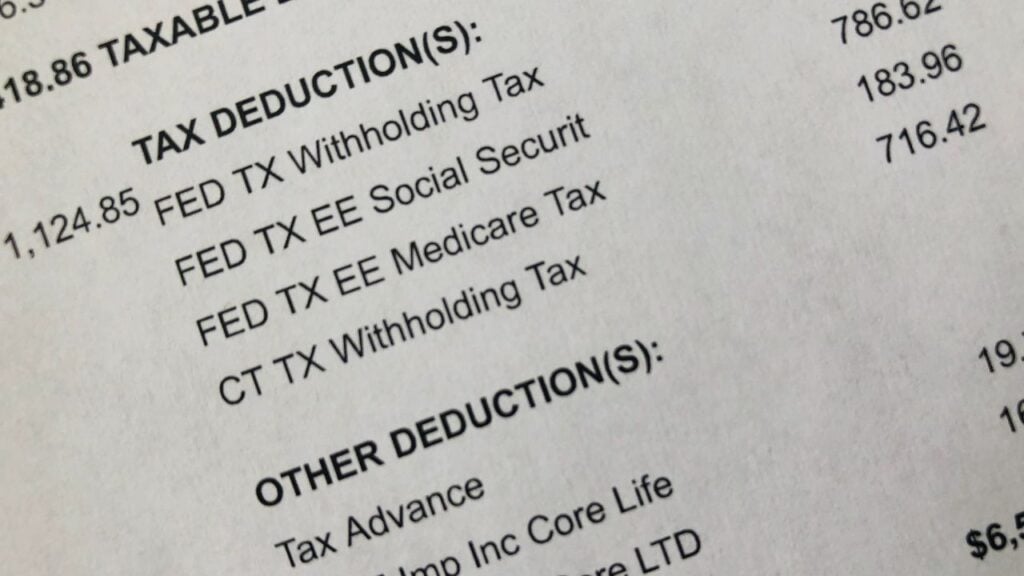
Many Pennsylvania workers glance at the bottom number on a pay stub and stop reading right there.
A few of the numbers above it are just as easy to skip, and just as easy to get wrong later.
8 Pay Stub Numbers Pennsylvania Workers Never Check Until Something’s Wrong
