
10 Things in Every Kentucky Grandma’s Kitchen That Grandkids Don’t Recognize Anymore

Most grandkids know exactly where Grandma keeps the cookies.
What’s hanging in the back of a her pantry is another story, though.
Here’s what’s in almost every grandma’s kitchen in Kentucky that grandkids don’t recognize anymore.
Note: This is general information, not food safety advice. Guidelines are subject to change, so confirm the current details with your county Cooperative Extension office.
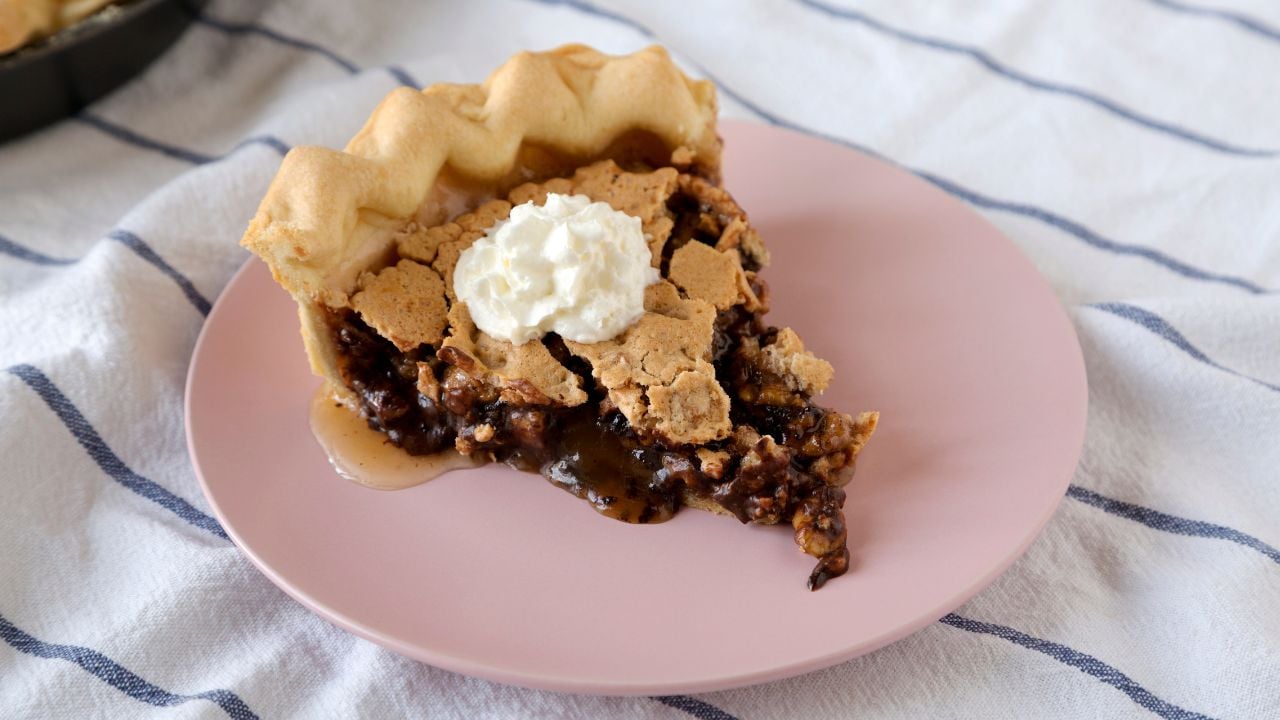
1. Derby-Pie
Derby-Pie® started small, according to the Kerns’ grandson, with Grandma Kern baking three pies at a time and leaving them on the windowsill to cool.
Family members are said to have created the pie in the 1950s for their Melrose Inn restaurant.
National Public Radio reported in 2015 that Kern’s Kitchen makes its pie with walnuts and no bourbon.
If your grandmother’s derby pie had pecans and bourbon, you were eating a different pie from the Kerns’ walnut one.
As of 2015, Kern’s Kitchen said the name is a federally registered trademark, and Science Hill Inn in Shelbyville served its pie under a different name on its menu.
2. Blue Monday
Blue Monday, the cream-centered candy bar from Ruth Hunt Candies in Mt. Sterling, comes from a company that began in a home kitchen.
Ruth Tharpe Hunt served homemade sweets to her bridge club there.
In 1921, she began selling her candy.
Ruth Hunt had been making Blue Monday bars for more than 80 years by 2025.
That year, the candy was still stirred by hand in large copper kettles over open flames.
A Ruth Hunt employee told Kentucky’s agriculture department that customers want bourbon balls and cream candy at Christmas.
You can trace a Blue Monday back to one woman’s kitchen and her bridge club.
3. Country Ham
You hang a country ham hock down in a ham sock in a cool, dry place, according to University of Kentucky Cooperative Extension’s 2014 guide.
Many grandkids wouldn’t know what to make of a ham hanging in a sock.
Unwaxed butcher paper goes around the ham first, since waxed paper traps moisture and can spoil it.
Hang it hock down for a teardrop shape or hock up for a bullet shape.
Most traditional hams are nine to 12 months old.
The guide calls mold growth on a hanging ham common and harmless.
If it shows up on your ham, a scrub brush and a mild vinegar and warm water solution can remove it.
4. Salt-Glazed Crocks
Salt-glazed stoneware crocks and fruit jars were among the early wares at Bybee Pottery in Madison County, according to its 1978 National Register nomination.
That filing called Bybee one of the oldest continuously operating potteries west of the Alleghenies.
Walk into its sales room then, and you’d have seen bowls, batter bowls, pie pans, casseroles, mugs and plates.
If you wanted to buy a piece in 2019, you went to the retail store in Middletown, though the pieces were still made in Bybee.
5. Pressure Canner
A pressure canner is the heavy pot you need to put up vegetables at home, according to a 2023 column from University of Kentucky Cooperative Extension.
Boiling water canners work for naturally high-acid foods, such as many fruits, including tomatoes.
Many grandkids wouldn’t recognize the dial on top.
On a dial-gauge canner, that dial is what tells you the pressure inside.
Your local extension office can test the gauge for you.
A Pressure Canner Dial Gauge Test
The dial gauge on your kitchen pressure canner should be tested every year.
Penn State Extension says even gauges on new canners and replacement gauges need testing before use.
A dial that tests off by more than 2 pounds should be replaced, while a weighted gauge can’t go out of calibration.
If the dial reads higher than the actual pressure, the food inside may be under-processed.
6. Weisenberger Cornmeal
Weisenberger Mill sits near Midway, on a site where a mill has stood since 1818.
The Weisenberger family took over the mill in the 1860s.
The family built a new mill on the site starting in 1913.
A 2021 Kentucky Monthly profile spoke with the sixth generation of Weisenberger millers.
The mill’s bag labels named the farm where the grain grew.
In 2021, you could bake with the mill’s muffin, biscuit and cornbread mixes by adding only water.
As home baking revived, family-sized internet orders at the mill rose from five a day to more than 80.
If you buy self-rising cornmeal, the leavening is already in the bag.
7. Sorghum Syrup
Sorghum syrup has the thickness of honey and a color that runs from light golden to blackstrap, according to a 2013 Kentucky Living story.
It pours slowly.
If you’d like to bake with it, the story included a recipe for sorghum ginger snaps that calls for 1/3 cup.
If you’re wondering how it was made, the stalks were crushed through rollers, and the juice was boiled down to concentrate its sweetness.
In 2006, a University of Kentucky article called Kentucky the No. 1 state in sorghum production.
The university’s sweet sorghum breeder traveled the state each fall with a cooking pan to promote the syrup.
8. Church Cookbook
A church cookbook from 1875, Housekeeping in the Blue Grass, came from the ladies of the Presbyterian Church in Paris, Kentucky.
Its title page promises nearly a thousand recipes.
Its chapters run from soup and pickles to canned fruits, soaps and home remedies.
Women connected with the church’s Missionary Society put it together to raise money for benevolent work.
The recipes came from church members and from housekeepers in other churches.
So far as the ladies knew, none had been copied from books.
If you read through the book, you’ll find that some recipes end with the cook’s name, though many are unsigned.
The Internet Archive hosts a full scan of the 1875 book.
9. Louisville Stoneware
Louisville Stoneware says it began with Lewis Pottery, which Jacob Lewis opened in 1815 as Louisville’s first commercial pottery.
Its stoneware jars, crocks and jugs were in great demand by local households.
By 1839, the business had failed and Lewis had left.
Stoneware production there continued into the early 1850s.
The company counts that history as 200 years and says large early crocks of 30 gallons held grain.
If your grandmother left you a stoneware bowl, flip it over and look for the maker’s name.
Psst! How much do you know about your grandmother’s kitchen? Take our quiz and see if you can ace it.
Quiz
Kitchen IQ
Answer these questions on candy, pie, pottery and cookbooks. We bet you can’t get them all right. Prove us wrong?
Ruth Hunt’s Blue Monday candy bar got its name from a remark by what kind of visitor?
10. Ale-8-One
Ale-8-One, the ginger-citrus soda from Winchester, turned 100 in 2026.
Founder G. Lee Wainscott toned down the spice, and Smiley Pete described the ginger-and-citrus result as not too hot and not too sweet.
If you've got a bottle in your fridge, you can bake with it.
A 2023 Cherry and Ale-8-One Bundt Cake recipe in Kentucky Living calls for 1 cup of the soda in the batter and 1/4 cup in the glaze.
In 2013, a Kentucky Monthly recipe for thyme biscuits used 1/2 cup of it.
12 Kentucky Sayings That Need a Translation North of the Ohio River

Cross the Ohio River, and some everyday Kentucky words may need a translation.
A few sound familiar, and a few sound made up.
12 Kentucky Sayings That Need a Translation North of the Ohio River
7 Money Lessons Kentucky Grandparents Taught That Still Hold Up

Grandma's money habits may have seemed a little old-fashioned when you were a kid.
A few of those habits deserve a second look.
7 Money Lessons Kentucky Grandparents Taught That Still Hold Up
