
10 Things North Carolinians Know Not to Do During Hurricane Season

North Carolina’s mountains used to feel like the safe half of the state during hurricane season.
That reputation didn’t survive September 2024.
Hurricane Helene’s remnants stalled out over the Appalachians and caught people who’d never once worried about a hurricane completely off guard.
These are the mistakes North Carolina’s hardest storm seasons already taught locals to stop making.
Note: This is general information, not insurance or legal advice. Insurance rules, evacuation procedures, and permit requirements are subject to change, so confirm the current details with the North Carolina Department of Insurance or your county’s emergency management office.
1. Trusting the Category Number
North Carolinians who lived through 2018 know a hurricane’s category number measures wind, not water, and water is what wrecks a house.
Hurricane Florence came ashore near Wrightsville Beach as a Category 1 storm, sustained winds around 90 mph, nothing close to the top of the scale.
Then it stalled.
Florence crawled across North Carolina at 2 to 3 miles an hour and dumped rain for days straight.
In New Bern, more than 10 feet of storm surge flooded the city, leaving about 150 people waiting on rooftops for rescue.
The city ended up with more than 4,300 homes damaged or destroyed under a storm the wind scale called mild.
Locals watched that happen once. They don’t wait on the category number twice.
2. Assuming the Mountains Are Safe
North Carolinians who live west of Asheville used to treat hurricanes as a coastal problem.
Not anymore.
Hurricane Helene’s remnants stalled over the southern Appalachians in September 2024 and dropped more than 12 inches of rain across a wide stretch of the mountains, with isolated totals topping 30 inches.
Rivers that had never flooded in living memory crested feet above their old records.
The storm killed 103 people in North Carolina, many of them nowhere near a beach.
Landslides buried roads and cut off whole towns for days.
Elevation never stopped a drop of that rain.
3. Waiting on Flood Insurance
North Carolina homeowners learn fast that a standard policy stops at the water line, and flood coverage is a separate purchase entirely.
New federal flood policies carry a 30-day wait before coverage starts, so buying one once a storm shows up in the forecast is already too late for that storm.
Many of the homes Helene destroyed in the mountains sat outside any mapped flood zone, so nobody there carried flood insurance at all.
Their mortgage never required it.
March is early enough. June isn’t.
4. Banking on a Flat Deductible
Insurers writing homeowners policies in North Carolina keep a separate deductible on standby for named storms.
State rules let them apply that named storm deductible the instant the National Weather Service posts a watch or warning for any part of North Carolina, not just the county that ends up getting hit.
That deductible isn’t a flat dollar figure like the one on a fender bender.
It’s a percentage of the home’s insured value, and it can run several times higher than the regular deductible.
That’s steep.
Many homeowners only learn that percentage after they’ve already filed a claim.
The Math Behind North Carolina’s Named Storm Deductible
North Carolina’s named storm deductible adds up fast.
A 2% deductible on a home insured for $300,000 works out to $6,000 out of pocket before coverage kicks in.
5. Running the Generator Too Close
North Carolinians who’ve ridden out a power outage know a generator can also be one of the most dangerous things in the yard.
Carbon monoxide from a generator running in a closed garage has killed North Carolinians after hurricanes before, including an Edneyville man in Henderson County after Hurricane Irma and a man in Johnston County after Hurricane Ian’s remnants passed through.
Both ran generators indoors, out of the rain.
Neither survived it.
The rule North Carolinians repeat every storm season: Keep a generator dozens of feet from the house, pointed away from windows and doors, running or not.
Psst! How hurricane-ready is your North Carolina home? Run through this checklist and see where you stand.
6. Staying Put on Hatteras or Ocracoke
North Carolinians with a place on Hatteras or Ocracoke Island count on two very different lifelines to get off before a storm.
North Carolina Highway 12, known locally as NC 12, runs the length of Hatteras Island and connects it to the mainland, and ocean overwash can close stretches of it before a hurricane ever makes landfall.
Ocracoke Island has no road to the mainland at all.
The only way off Ocracoke is the free ferry to Hatteras or the ticketed ferries to Cedar Island and Swan Quarter, and high winds shut those boats down long before a hurricane makes landfall.
Hurricane Erin never came ashore in the United States in 2025, staying more than 200 miles offshore at its closest.
Dare County still ordered Hatteras and Ocracoke evacuated, and NC 12 still flooded shut.
It never made landfall.
Waiting for a direct hit before leaving those islands means waiting for the road, or the ferry, to already be gone.
7. Skipping Proper Tie-Downs
North Carolina has roughly twice the country’s share of manufactured homes, 11.3% of all housing units against a 5.7% national average.
Those homes took some of Hurricane Helene’s worst damage in the mountains, and many others sit in flood-prone spots along the coast.
A few cinder blocks under the frame were never a tie-down system.
Neither was luck.
An inspection booked every spring catches what a stack of cinder blocks never could.
8. Driving Back in Without a Permit
North Carolinians who own property on the Outer Banks know a Dare County reentry permit doesn’t roll over from last year.
The county reissues reentry permits every calendar year, and checkpoint staff wave off an old one.
Permanent residents can still get through with a valid North Carolina license showing a Dare County address.
No exceptions there.
Non-resident property owners have two ways through a checkpoint: This year’s reentry permit with a matching ID, or a current property tax bill or property record with a matching government-issued ID.
Either one works, but a permit from last year on its own doesn’t.
9. Swimming While a Hurricane Sits Offshore
North Carolina beachgoers who grew up near the coast know a calm, sunny sky doesn’t mean a safe ocean during hurricane season.
In 2019, Hurricane Lorenzo stayed more than 1,700 nautical miles offshore in the Atlantic and still generated rip currents that killed four people along the North Carolina coast.
The beach looked normal.
The water wasn’t.
Rip currents pull swimmers away from shore fastest during a distant storm’s swell, right when nobody thinks to check a forecast before wading in.
North Carolinians check the surf report before they check the sky.
10. Filling the Tank Too Late
North Carolina reverses an entire interstate to move people off the coast, and gas is the first thing to run out once that traffic starts.
I-40 between Wilmington and I-95 can flip to all lanes heading inland during a major hurricane threat, a system built after gridlock trapped evacuees during Hurricane Floyd in 1999.
Once that reversal starts, exits thin out and gas stations empty fast.
No detours left.
There’s no filling up once that reversal begins.
Some drivers leave a full day before the reversal even starts, avoiding the worst of the traffic on ordinary two-way roads.
Every gas station along that stretch of I-40 sees its pumps run dry within hours once contraflow begins, and fuel trucks can’t resupply them until the interstate reopens.
11 North Carolina Habits That Give Away Someone Who Grew Up There

Local boards run every liquor store in North Carolina, town by town, on hours they set themselves.
Newcomers keep pulling on locked doors, and that’s just the start of what gives them away.
11 North Carolina Habits That Give Away Someone Who Grew Up There
9 Waffle House Mistakes North Carolina Regulars Never Make
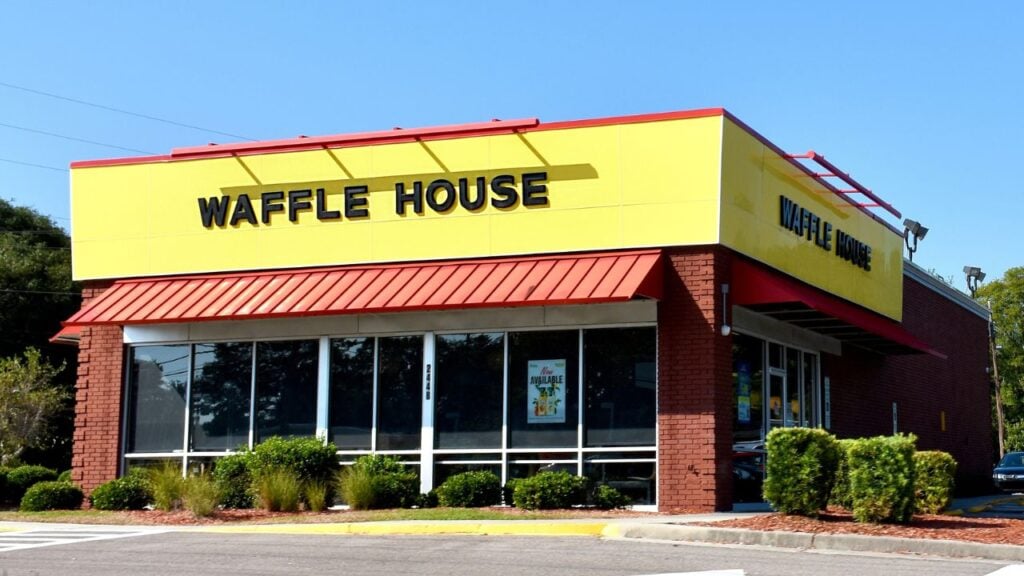
Waffle House’s yellow sign glows over I-85 outside Kannapolis at 2 a.m., and a first-time visitor studies the menu like it’s written in another language.
Regulars down the counter already have their coffee topped off without asking, before that visitor even places an order.
