
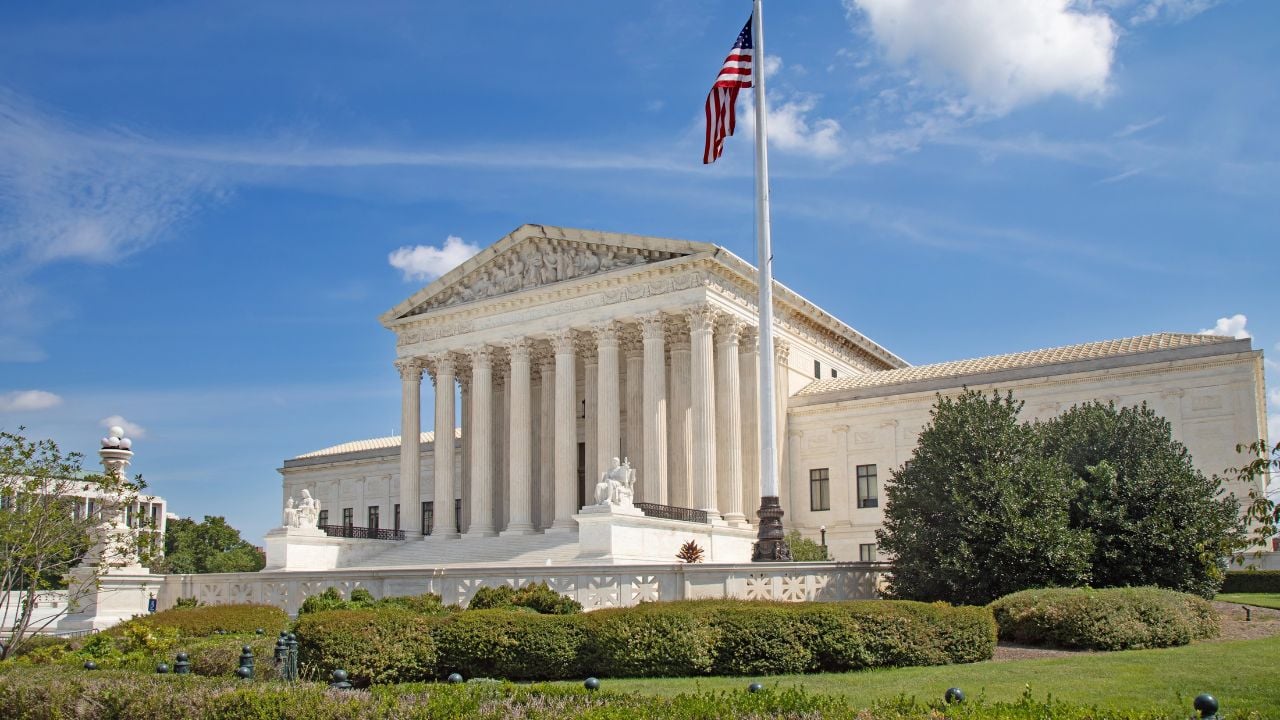
10 Things That Surprise Texans About Supreme Court Justices’ Pay and Perks

Becoming a Supreme Court justice is the pinnacle of the legal world. It comes with a lifetime seat, immense influence, and a place in history.
What it doesn’t come with is the eye-popping paycheck you might expect.
Justices earn a fraction of what top private lawyers pull in and get no official residence to live in. Yet they also enjoy a retirement perk so generous that not even the president gets it.
Here’s a look at the pay and perks of the highest court in the land, and the details that catch Texans off guard.
The Salary Is Lower Than You’d Expect
For the most powerful judges in America, the paychecks are smaller than many people assume.
As of January 2026, the Chief Justice earns $320,700 a year, and each of the eight Associate Justices earns $306,600.
That’s a healthy salary by any normal measure. But it’s a fraction of what a partner at a major law firm rakes in, often well into the millions.
These are people who reached the absolute top of the legal profession, and many of them took a serious pay cut to get there.
So the next time someone pictures justices swimming in cash, the truth is they earn less than many of the lawyers who argue cases in front of them.
Congress Controls Their Pay, but Can’t Cut It
Here’s a constitutional quirk that surprises people. The justices don’t set their own pay, and the body that does has a hard limit on what it can do.
Congress sets and adjusts justice salaries, tying them to a formula based on changes in labor costs.
But the Constitution forbids ever reducing a justice’s pay while they’re on the bench.
Their salary can go up, never down.
The founders built this in on purpose, to keep the other branches from punishing judges by squeezing their wallets.
It means a justice never has to worry about a pay cut as political payback, no matter how unpopular their rulings become.
The Pension Beats the President’s
This is the perk that stuns people the most. A retired Supreme Court justice can collect their full salary for the rest of their life, something not even the president gets.
The deal works through what’s known as the Rule of 80.
Once a justice’s age plus their years of federal judicial service add up to at least 80, they can step down and keep receiving their full salary, for life.
The youngest a justice can hit it is age 65 with 15 years on the federal bench.
Compare that to the president, who gets a fixed pension regardless of their final salary. A justice’s lifetime payout is the envy of Washington.
There’s one catch worth noting.
To keep the full benefit, healthy retired justices are generally expected to stay somewhat active in the legal world, like occasionally sitting on lower courts.
Justice David Souter did exactly that for years after leaving.
There’s No Official Residence
People assume a job this important comes with a grand home, the way the president gets the White House.
It doesn’t.
Supreme Court justices receive no official residence whatsoever. They buy or rent their own homes in the Washington, D.C. area and pay their own mortgages, property taxes, and upkeep, the same as any other resident of the capital.
For a position with this much prestige, the lack of any provided housing surprises a lot of people.
So while the justices work in a marble palace, they go home at night to houses they pay for entirely on their own.
They Pay for Their Own Health Insurance
Another assumption that doesn’t hold up: that the most powerful judges in America get free, gold-plated healthcare.
Instead, they’re in the same system as regular federal workers.
Justices are eligible for the Federal Employees Health Benefits program, the same menu of plans available to millions of government employees.
They pay premiums and choose coverage just like a postal worker or a clerk at a federal agency would.
They can also get coverage through a spouse’s plan instead, if they prefer.
There’s no special justices-only health plan and no free lifetime medical care.
On healthcare, the highest court in the land is surprisingly ordinary.
Each Justice Commands a Team of Four Clerks
One of the most valuable perks isn’t about money at all. Every justice gets to hire a small team of brilliant young lawyers to help them.
Each justice is budgeted to hire up to four law clerks, typically recent graduates from top law schools who finished at the very top of their classes.
These clerks handle research, help draft opinions, and manage the Court’s heavy caseload.
Landing a Supreme Court clerkship is one of the most coveted jobs in the legal world, and it often launches a career into the stratosphere.
A typical justice’s chambers also include a secretary and a messenger.
The salaries for all of them are covered by the Court’s budget, not the justice.
Their Travel Splits Into Two Very Different Buckets
How a justice’s travel gets paid for depends entirely on why they’re going, and the distinction trips people up.
When a justice travels on official Court business for fewer than 30 days, the Administrative Office of the U.S. Courts covers the transportation and pays a per diem for lodging and meals.
That’s work, so the government handles it.
Personal trips and vacations, though, are a different story. Those come out of the justice’s own pocket, just like anyone else planning a getaway.
The wrinkle that’s drawn headlines in recent years involves trips paid for by outside groups like universities, which justices must report on annual disclosure forms when they exceed a set dollar threshold.
They Have to Disclose Gifts and Free Trips
For a job wrapped in tradition and privacy, the financial transparency rules catch people off guard.
Justices have to open their books once a year.
Supreme Court justices file annual financial disclosure reports, and they’re required to report gifts and travel reimbursements from any single source once those exceed a certain threshold, which was set at $480 a year as of recent rules.
The reports list the source and nature of the perk.
These disclosures have drawn far more public attention lately than at any earlier point in the Court’s history.
Curiously, the reports don’t require listing exact dollar values for the travel, which is part of why outside watchdog groups have pushed for more detail.
The basic requirement to disclose, though, has been on the books all along.
The Building Has a Basketball Court
Not every perk is about money. Tucked on the top floor of the Supreme Court building sits one of Washington’s best-kept jokes.
There’s a basketball court up there for justices, clerks, and staff to use, and it’s earned the affectionate nickname “the Highest Court in the Land.”
It sits directly above the actual courtroom where the justices hear cases.
The building also includes a gym and other amenities for the people who work there.
It’s the kind of detail that delights people who learn of it, the idea that above the most solemn courtroom in America, someone might be shooting hoops on their lunch break.
Retired Justices Keep an Office and Staff
Stepping down from the bench doesn’t mean losing all the trappings of the job.
Retired justices hold onto some real perks.
A justice who retires under the Rule of 80 and stays active in the legal profession can keep an office, a law clerk, and other support, on top of that full lifetime salary.
They remain part of the federal judiciary family rather than fully walking away.
This is why some justices choose to “retire” yet keep hearing occasional cases in lower courts.
It’s a graceful, generous exit that few other jobs in America can match, letting a justice scale back while keeping their income, their staff, and a hand in the work they spent a lifetime doing.
10 Things U.S. Presidents Have to Pay for on Their Own That Americans Are Clueless About

Living at 1600 Pennsylvania Avenue has obvious perks.
But the president of the United States still receives a monthly bill from the White House usher’s office, and what’s on that bill catches many Americans off guard.
10 Things U.S. Presidents Have to Pay for on Their Own That Americans Are Clueless About
13 Government Benefits You May Qualify for Without Knowing

Federal and state benefit programs are notoriously bad at promoting what they offer.
These are the government benefits that many Americans qualify for without even realizing it.
