
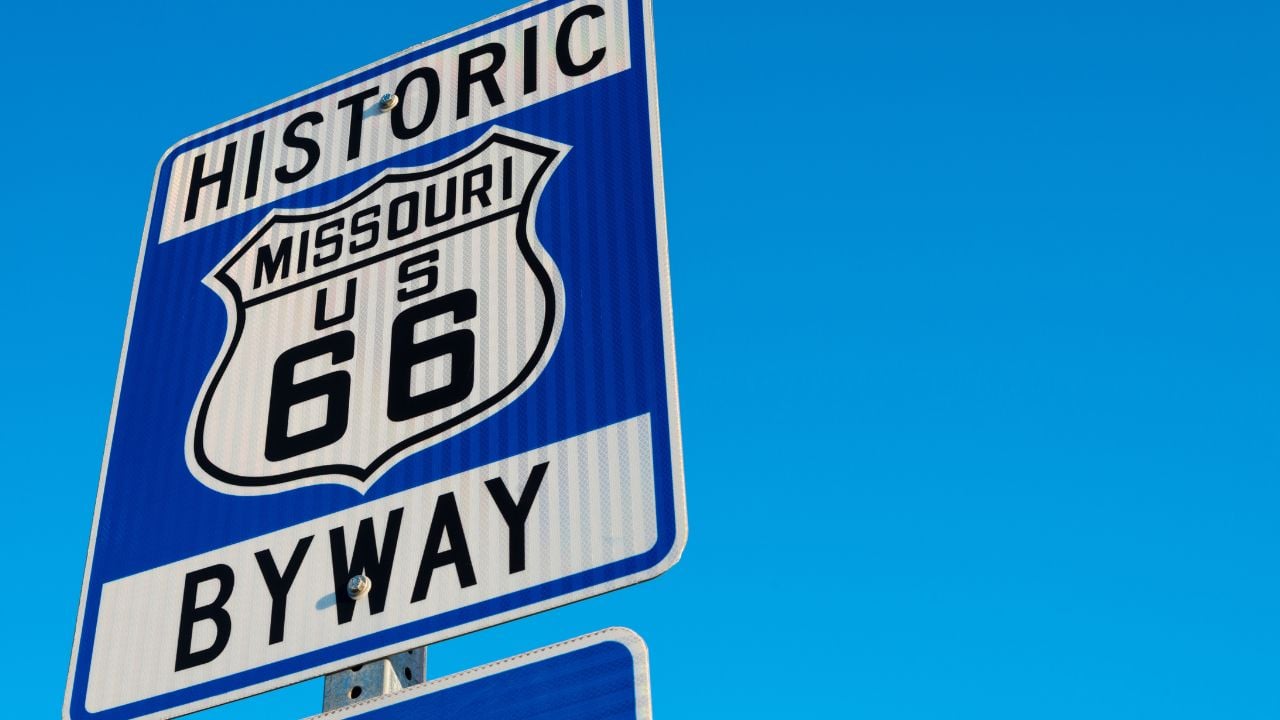
10 Things You Only Understand About Missouri After a Few Years There

Somewhere around your second or third year in Missouri, something shifts.
You stop asking why things work the way they do, and you start explaining them to the next newcomer.
Here’s what Missourians know that new arrivals haven’t figured out yet.
Note: This is general information, not tax or legal advice. Tax rules and deadlines are subject to change.
1. Highway 40
St. Louis Public Radio’s January 2010 story on the rebuilt road called it the new Highway 40 (officially Interstate 64).
It reopened on Dec. 7, 2009, after a two-year closure.
Highway 40 and Interstate 64 are the same road, so if you see one name, you can read it as the other.
2. Personal Property Tax Receipts
You need a paid personal property tax receipt for the year before to renew your plates, unless you have a statement of non-assessment.
New residents can register with a statement of non-assessment instead of a receipt the first time.
The county assessor’s office issues it, showing you owe no personal property taxes.
The Department of Revenue also lists a paid personal property tax receipt that names your vehicle as one way to qualify for online renewal.
In St. Louis, personal property taxes are due by Dec. 31 each year.
3. Siren Test Days
If you live in St. Louis, the city tests its outdoor warning sirens at 11:00 a.m. on the first Monday of every month, unless the weather is bad.
Kansas City tests its sirens at 11:00 a.m. on the first Wednesday of the month, weather permitting.
So if you move from one city to the other, your test day shifts from Monday to Wednesday.
What the Sirens Mean
St. Louis’s outdoor warning sirens exist to alert people who are outside to go indoors and seek shelter, according to the city.
They sound for a tornado warning or a severe thunderstorm warning that the National Weather Service has designated destructive.
Kansas City’s page says its sirens sound when a reliable source, such as the National Weather Service, indicates a tornado is in the city or soon will be.
A second siren activation means another tornado has been detected, not an all-clear.
4. Springfield-Style Cashew Chicken
Springfield-style cashew chicken is boneless chicken chunks that are breaded, fried and smothered in brown gravy, according to Kansas City’s public radio station KCUR.
If you’ve had cashew chicken at Chinese restaurants elsewhere, the Springfield version differs from the more common cashew chicken.
David Leong opened Leong’s Tea House in 1963, according to the State Historical Society of Missouri.
Leong went with fried chicken pieces, noting they were more familiar to Americans than traditional Chinese stir-fry.
Even local restaurants that don’t serve Chinese food have the dish on their menus, and you’d be hard pressed to find a Chinese restaurant near Springfield that doesn’t sell it.
5. St. Louis’s City-County Split
The city of St. Louis isn’t part of St. Louis County because voters chose to split the two in 1876, according to the St. Louis County Library.
Voters took up the split on Aug. 22, 1876, and it passed only after a recount.
Clayton became the county seat in late 1877, and most county government offices are located there today, so if you need one, you’ll likely find it in Clayton.
Psst! How much do you know about Missouri’s landmarks? Take our quiz and see if you can ace it.
Quiz
Missouri Landmark IQ
Answer nine questions on Missouri’s landmarks, firsts, and natural wonders. We bet you can’t get them all right. Prove us wrong?
Big Spring, in the Ozarks, pushes out a huge amount of water every day. About how many gallons flow from it on an average day?
6. Two Cities' Earnings Tax
If you work in Kansas City, you pay the city's earnings tax even if you live in the suburbs.
Kansas City and St. Louis both charge a 1% earnings tax.
Proposition A, a 2010 statewide ballot initiative, requires voters in both cities to renew it every five years.
Kansas City voters said yes again on April 7, 2026, with more than 75% approving, according to KCUR.
St. Louis voters did the same by 85% to 15% in final unofficial results.
In Kansas City, the tax brings in about $373 million a year, roughly 45% of the city's general fund.
7. License Office Fees
The office where you renew your license runs on a contract system, the Missouri Independent reported in June 2025.
The contractor has to meet payroll, pay rent and cover office expenses from the fee revenue.
Before an increase on Aug. 28, 2025, a six-year license renewal cost $39, including a $12 processing fee, the local station KFVS reported.
The six-year renewal then rose from $39 to $45.
If you've renewed a license or registered a vehicle, a processing fee was part of your bill.
8. Lettered Routes
Have you ever wondered why so many roads have letters instead of numbers?
A 2012 blog post from the Missouri Department of Transportation says the lettered routes joined the state system in 1952, when Missouri took over almost 12,000 miles of county-maintained roads.
If you've seen a road with two letters, double letters were used once single letters ran out.
Letters were assigned county by county, with adjoining counties coordinating so there would be a mix.
G, I, L, Q and S were skipped because they look like numbers or other letters.
9. Bootheel Earthquakes
That figure of 200 small earthquakes a year comes from the Department of Natural Resources.
The State Emergency Management Agency says the zone includes much of eastern and southern Missouri.
By mid-September 2026, the state had recorded 110 minor earthquakes that year, mostly in the Bootheel.
The Department of Natural Resources considers the Feb. 7, 1812, earthquake the largest ever to occur in Missouri.
Missouri joins an annual earthquake drill called the Great ShakeOut, according to the State Emergency Management Agency.
The agency's instructions are to drop to your hands and knees, cover your head and neck, and hold on until the shaking stops.
10. Gooey Butter Cake
If you haven't had gooey butter cake, the St. Louis dessert, you can picture a cookie-like bottom layer under a gooey middle of butter, sugar, and eggs.
One common tale, Fodor's says, places its start in 1930s South St. Louis, where a baker mixing a coffee cake reportedly reversed the sugar and flour.
No origin story for the cake has been historically verified, despite many strong claims.
The cake has mostly stayed a St. Louis favorite, though sales have appeared in New York, Texas, and at Walmart.
The Katy Railroad Nickname
The Katy in Katy Trail State Park is the old Missouri-Kansas-Texas Railroad, which Missouri State Parks says was better known as the Katy.
The park follows the old Katy corridor for 240 miles between Clinton and Machens.
So if you ride any stretch of it, you're riding the railroad the name came from.
Hedge Apples and Hedgerows
Have you ever wondered who planted the long, brushy tree lines along a pasture?
Settlers planted rows of Osage orange as a living cattle fence, according to the Missouri Department of Conservation, so some of those lines may be old fences.
In the middle 1800s, Missouri's then-new Fulton State Hospital planted 16,000 Osage orange trees around its 40 acres of main buildings.
The tree's fruit is the hedge apple, and if someone tells you one in the basement keeps spiders away, that's an enduring belief.
The department's conclusion is that "hedge apples are unlikely to be very effective for pest control."
8 Community Gathering Places Disappearing From Missouri Towns
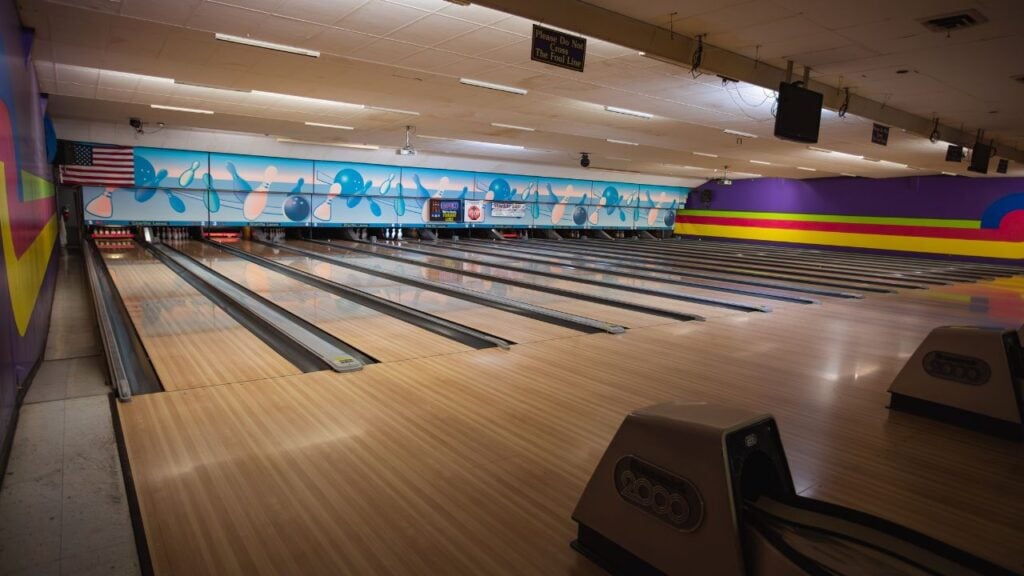
Can you still point to the bowling building where you rolled your first strike?
In Moberly, Community Lanes closed for good in 2013 after more than 50 years, according to local station ABC 17 News.
8 Community Gathering Places Disappearing From Missouri Towns
7 Missouri Chain Orders That Give Away an Out-of-Stater
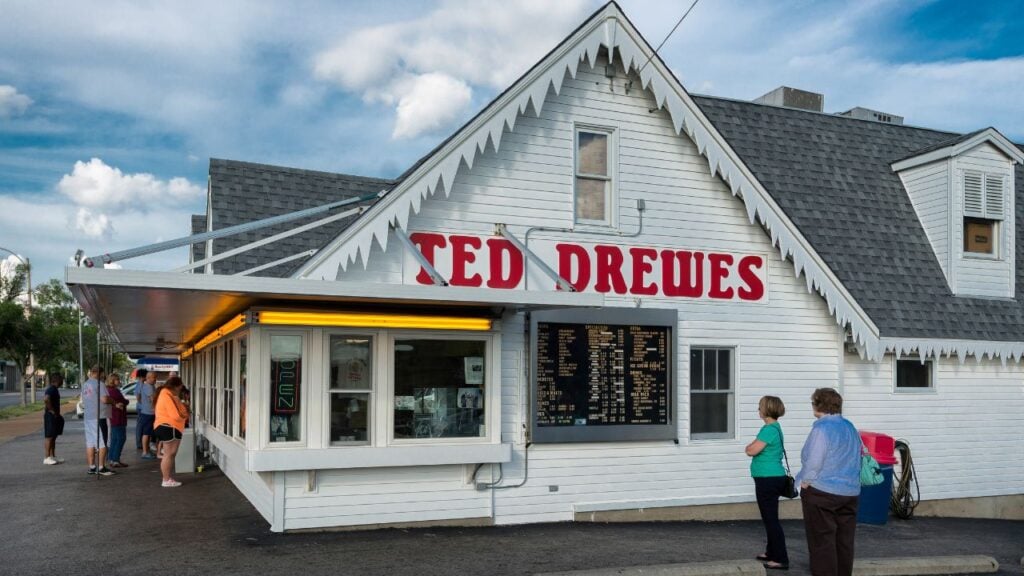
You can spot a St. Louis-style pizza by its square cut, according to KCUR.
Could the way you order at a Missouri chain give you away as an out-of-stater?
