
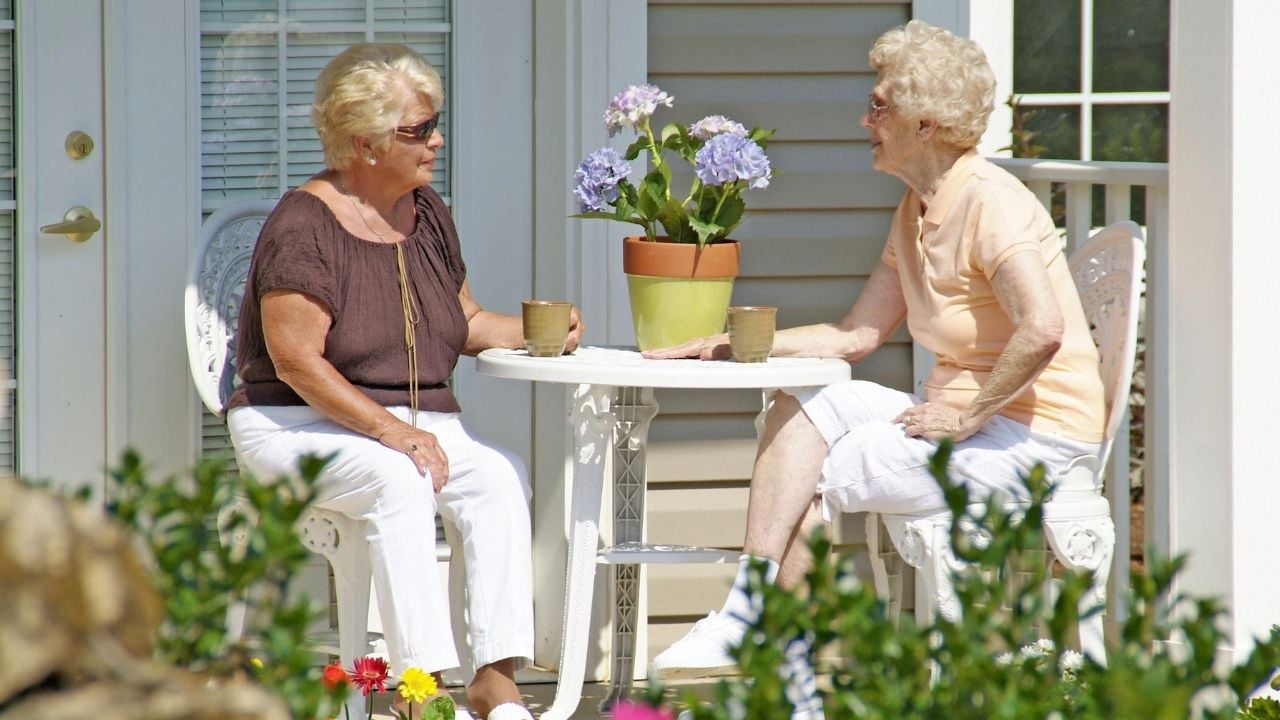
11 Alabama Sayings That Sound Rude to Northerners but Aren’t

A friendly Alabamian ends your phone call with “Well, I’ll let you go,” and you wonder what you did wrong.
Before you take it personally, that’s far from the only Alabama saying that can land the wrong way to certain out-of-staters.
Here are the Alabama sayings that sound rude to Northerners even though they’re anything but.
1. I Don’t Care To
People who answer “I don’t care to” aren’t saying no.
Offer someone a second helping or a ride to town, hear that phrase back, and it lands like a flat refusal to anyone raised outside the South.
It’s a yes.
The Dictionary of American Regional English has traced this exact meaning across the Appalachian South.
Public radio’s A Way with Words lists Alabama among the states where it turns up.
So a guest who says it twice at the table isn’t hard to please.
They’re just being polite the old way.
Where “I Don’t Care To” Comes From
Alabama didn’t invent “I don’t care to” meaning yes.
Linguists trace the flipped meaning of the word “care” back to 16th-century England, and Scots-Irish settlers carried it into the Appalachian backcountry running into north Alabama.
The same switch still turns up across Appalachia and the Ozarks, in places where those settlers put down roots.
2. Don’t Be Ugly
A common correction from parents, “don’t be ugly,” has nothing to do with anyone’s face.
To an out-of-stater, calling a person ugly sounds like the cruelest possible insult, aimed straight at how they look.
Not here.
The Dictionary of Southern Appalachian English, quoted by the Appalachian culture blog Blind Pig and the Acorn, defines “ugly” as bad-tempered, mean, or misbehaving in a person.
The correction points at how someone’s acting, sass or meanness, never at how they look.
3. You Ain’t Right
“You ain’t right” sounds rude, but between friends it’s playful teasing, closer to a compliment than a complaint.
Said flat, with no context, it sounds like an accusation, like something is wrong with whoever it’s aimed at.
Friends rarely mean that.
In everyday conversation, the phrase lands on whoever just did something funny, reckless, or a little bit unhinged in the best way.
A laugh carries it, never a diagnosis.
Top that joke, and expect to hear it again within the hour.
4. Hush Your Mouth
Surprise a listener enough, and “hush your mouth” can come out as pure delight, not a rude command.
Taken at face value, the words sound sharp enough to end a conversation on the spot.
Tone gives it away.
Many people also use it as an exclamation, the kind that comes out when news is too good, too shocking, or too juicy to hear calmly.
Hear it, and someone just landed a reaction, not a scolding.
5. Gimme Some Sugar
Grandmothers demanding “gimme some sugar” aren’t after anything sweet to eat.
The blunt “gimme” makes it sound like an order, the kind of demand that would be rude coming from anyone else.
It’s a kiss.
Sometimes it’s a hug instead.
The Dictionary of Smoky Mountain English, quoted by Blind Pig and the Acorn, describes the phrase as a kiss or visible show of affection.
That affection often runs from a child to an older relative.
It can come at goodbyes too, when a grandmother wants one more before everybody heads out the door.
6. Bless Your Heart
One of the state’s best-known sayings, “bless your heart,” is far from always the put-down its reputation suggests.
Out-of-staters hear it and brace for an insult, the syrupy Southern way of calling someone foolish without saying it outright.
Context decides.
The phrase can carry that edge in the right tone, but it’s also a sincere expression of sympathy.
Say it to someone who just had a rough week, stubbed a toe, or lost a pet, and it carries plain sympathy, warmth built into the words.
Used like that, it’s built for comfort, not for cutting someone down, no matter how sharp the words look on paper.
7. How’s Your Mama and Them
A stranger’s whole family becomes fair game with “how’s your mama and them.”
To someone who just met a neighbor, a question about their entire household can feel like an overstep, personal territory a stranger has no right asking about.
It’s shorthand.
In everyday use, the phrase just means “how’s your family,” a quick way of showing you value someone’s whole household, not only the person standing in front of you.
8. Yes Ma’am, No Ma’am
Age has nothing to do with who gets a “yes ma’am.”
To an ear used to reserving “ma’am” and “sir” for the elderly, hearing it aimed at someone in their twenties can sound like a dig about their age.
It can also sound like a mocking kind of formality.
Neither.
Many people hand out “ma’am” and “sir” to nearly everyone as plain respect, not a comment on how old someone looks.
Skip it, and some listeners will notice before the sentence is even finished.
9. She’s a Mess
Call someone “a mess,” and you’ve likely just paid them a compliment.
On its own, being called a mess sounds like an insult, the kind aimed at someone who can’t get their life together.
Not always.
A Way with Words has described the Southern use of “a mess” as chaotic but likable, the kind of person you invite over anyway.
That’s the read people mean: Someone worth having at the party, not someone in trouble.
10. I Hate That
Neighbors reach for “I hate that” the moment sympathy is called for.
Taken at face value, “hate” is about the strongest word in English, so hearing it dropped into a moment of bad news can sound like blame, not comfort.
It’s sympathy.
The University of South Carolina’s Southern Appalachian English archive traces this meaning back to the Dictionary of American Regional English.
The dictionary defines “hate” as meaning to regret or feel sorry, a usage documented across Kentucky, Tennessee, and the Ozarks.
Say “I hate that” to someone who just lost a job or a pet, and they hear an apology, not a complaint.
Psst! How much do you know about Alabama beyond its sayings? Guess Myth or Fact on these five and see how many you get right.
11. Well, I’ll Let You Go
Ending a call with “Well, I’ll let you go” is a courtesy, not a brush-off.
Read on its own, it sounds like someone hunting for the exit, eager to hang up and move on with the day.
The opposite is true.
The phrase frames the other person’s time as too valuable to keep hogging, a courtesy an Alabama-based magazine has described as a kindness to the listener.
It lets the speaker wrap things up without a blunt goodbye.
7 Things Veterinarians Wish Alabama Pet Owners Would Stop Doing
Alabama sits among the top 10 states for heartworm cases, according to the American Heartworm Society’s latest national survey.
A handful of preventable habits sit behind that number, and more than one Alabama vet has a list of what they wish pet owners would stop doing.
7 Things Veterinarians Wish Alabama Pet Owners Would Stop Doing
8 Alabama Speed Traps That Catch Out-of-State Drivers Off Guard
A senior attorney with the Institute for Justice has a blunt theory about who small Alabama towns pull over most.
Out-of-state plates rarely drive back to fight a ticket, which makes a traveler an easier target than one of the town’s voters.
8 Alabama Speed Traps That Catch Out-of-State Drivers Off Guard
