
11 Chain Restaurants From the ’80s Floridians Would Give Anything to Eat at Again

The 1980s were the golden age of the chain restaurant in Florida and throughout the United States.
Not in the quality sense, necessarily, but in the cultural sense.
Many of the restaurants that defined the ’80s dining experience are gone now, either bankrupt, absorbed into holding companies and diluted beyond recognition, or simply closed without a successor.
What remains is food nostalgia that hits people who grew up in that decade.
If any of these names produce an immediate visual memory of a booth, a laminated menu, or a specific item you haven’t had in decades, you’re in the right place.
Steak and Ale
Steak and Ale was everything an ’80s family dinner out was supposed to be.
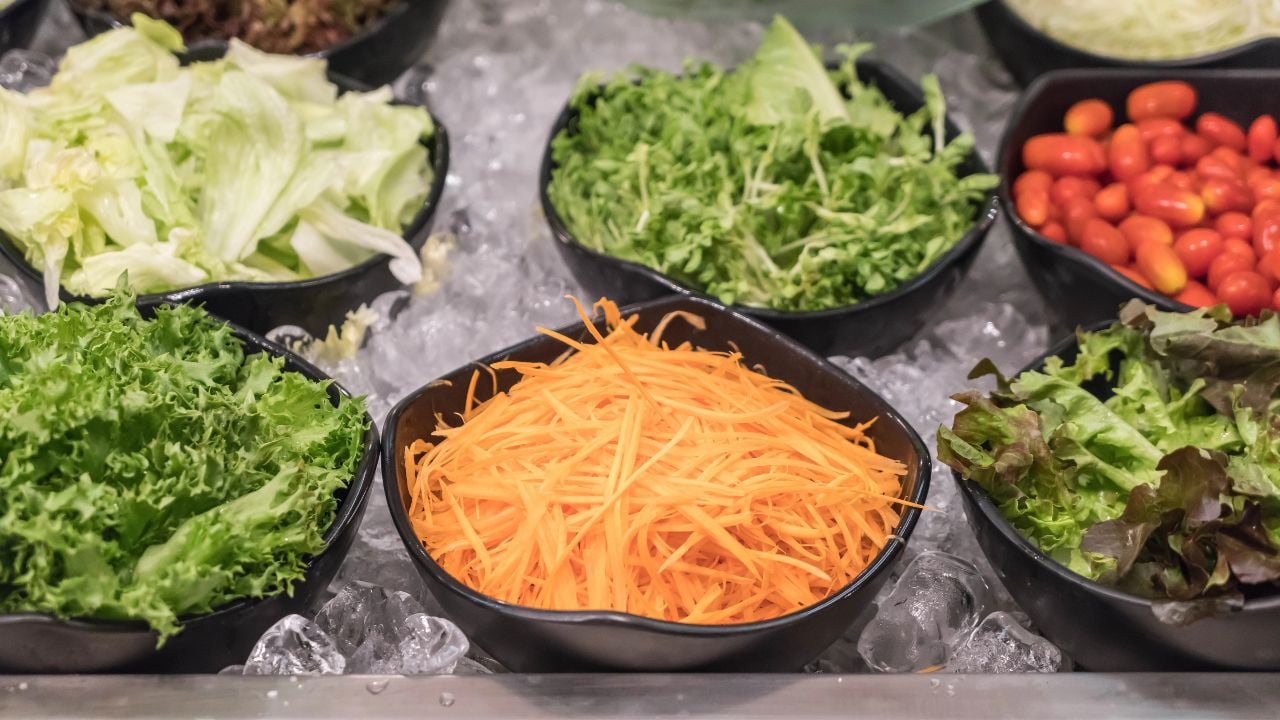
It had a dark wood interior, stained glass accents, a salad bar that started the meal, a bread basket that arrived hot, and a prime rib or steak situation at a price that felt like a splurge without being inaccessible.
The Harvest Salad bar was a destination in itself.
The restaurant chain was founded in Dallas in 1966 and expanded across the country through the 1970s and ’80s, reaching several hundred locations at its peak.
The atmosphere, which borrowed heavily from the British pub aesthetic, gave it a particular ’80s dinner theater quality: you weren’t just eating, you were experiencing something that felt intentionally fancy without being intimidating.
Steak and Ale closed most locations and filed for bankruptcy in 2008, which means an entire generation of people grew up taking dinner at Steak and Ale for granted and then watched it disappear.
The specific combination of the dark booth, the glowing candle, and the salad bar items arranged in little chrome containers is a memory that hits with unexpected force when it surfaces.
The hot bread before the meal is the specific detail that people who loved Steak and Ale mention first.
Not the steak. Not the cocktails.
The bread that came automatically before you ordered anything, warm and ready, with butter.
The ’80s chain restaurant understood that warm bread was a promise, and they delivered on it.
Ponderosa Steakhouse
Ponderosa was the approachable steakhouse for ’80s families who wanted the steak dinner experience at a price that didn’t require advance planning.
You got your steak, you chose your sides, and the buffet situation meant that if the main event didn’t fully satisfy, the rest of the table covered for it.
The Ponderosa Super Buffet, which appeared in many locations as an add-on to the standard order, was an ’80s dining experience of remarkable scope.
Hot bar, cold bar, dessert bar, and the specific combination of everything that made the experience feel like a complete meal, regardless of how the steak came out.
Ponderosa had a western ranch theme that matched the name, with wood paneling and cowboy-adjacent decor that made the whole operation feel like it had a clear identity, which ’80s chain restaurants leaned into fully.
You knew where you were from the moment you walked in.
The chain has contracted dramatically from its ’80s peak, and while some locations still exist, they bear less resemblance to the experience as remembered than the name might suggest.
What remains is the memory of a specific American family dinner out, Western-themed, buffet-supplemented, and reliably satisfying.
Chi-Chi’s
Chi-Chi’s was the Mexican restaurant chain of the 1980s for a significant portion of the country, operating over 200 locations at its peak and giving mainstream American families access to a festive, colorful, margarita-adjacent dining experience that felt genuinely fun in the way that a chain with that much personality can deliver.
The fried ice cream. The chimichangas. The basket of tortilla chips that arrived the moment you sat down.
The specific Chi-Chi’s salsa that was good enough to eat with a spoon, but you used the chips because you were in public.
These are the menu memories that people who grew up going there carry with clarity.
The chain’s downfall came through a hepatitis A outbreak traced to green onions in 2003 that killed four people and hospitalized hundreds.
Chi-Chi’s filed for bankruptcy and closed its remaining U.S. locations.
The cause wasn’t the food quality or the business model; it was a supply chain contamination that ended an era.
What stayed was the cultural memory of the Chi-Chi’s dining experience and the specific grief people express when they remember the fried ice cream specifically, which was a dessert that combined theatrical presentation with flavor delivery in a way that set a standard most desserts haven’t matched since.
Bonanza Family Restaurant
Bonanza occupied the budget-friendly steakhouse lane in the 1980s, and did it with a consistency that families across the country relied on.
The salad bar was substantial. The steak was achievable at a price that made it accessible for a weeknight dinner out rather than a special occasion only. The atmosphere was unpretentious in the specific way that made you feel comfortable rather than overlooked.
Like Ponderosa, Bonanza used a western theme with the sincerity of a decade that embraced thematic chain dining without irony.
The idea that a steakhouse should look and feel like a ranch was accepted as reasonable, and the decor delivered a version of that which felt coherent.
The chain reached several hundred locations in the 1980s and has since contracted to a small fraction of that footprint.
For the communities that grew up with a Bonanza down the road, the closure of the local location was one of those small regional losses that adds up over decades.
The salad bar deserves its own recognition in retrospect.
The ’80s chain steakhouse salad bar, with its croutons and shredded carrots and industrial-sized tongs and the little cups of dressing, was a specific dining ritual that the modern restaurant world has largely moved past.
Farrell’s Ice Cream Parlour
Farrell’s wasn’t just a restaurant. It was a theatrical production disguised as a birthday party venue.
The red and white striped color scheme, the old-timey decor, the servers who ran dishes out to tables in a parade with sirens and drums, and the ice cream portions that were calibrated to be genuinely excessive and unashamedly about it.
The Pig’s Trough was a Farrell’s item.
It was a full trough of ice cream sundae components served in an actual pig’s trough, which was meant for multiple people and regularly attempted by single individuals.
The ’80s understood that excess wasn’t always the enemy of joy.
Farrell’s was founded in Portland, Oregon, in 1963 and expanded through the 1970s and ’80s before the chain declined and most locations closed.
The name has been revived by various operators over the years. But the original version, with its specific energy and its siren-accompanied sundae deliveries, belongs to a specific era.
Birthday parties at Farrell’s produced a generation of adults who remember the sound of the siren and the sight of the trough being carried across the restaurant as one of the most joyful public experiences of their childhood.
That combination of food theater, sugar, and complete lack of adult restraint is something the current restaurant industry hasn’t and possibly cannot replicate.
Denny’s in Its ’80s Form
Denny’s still exists, which is the point.
The Denny’s of the 1980s was a different cultural restaurant than its current version, occupying a specific role as the 24-hour diner that was dependable, widely distributed, and operating with a quality and consistency that its current reputation doesn’t quite capture.
The Moons Over My Hammy was there. The Grand Slam Breakfast was there. The patty melt and the club sandwich and the specific Denny’s coffee that is somehow its own category of diner coffee were all exactly as they should have been.
Denny’s in the ’80s was the reliable option.
The culture around Denny’s as a late-night destination in the ’80s and early ’90s had a specific quality: it was where you went after the movie, after the game, after the party ended and you weren’t ready to go home.
The bottomless coffee and the booth and the laminated menu at midnight was classically Denny’s.
What changed is complicated and involves both the actual quality of the experience and the cultural positioning of diner food.
Denny’s is still there, but the role it plays and the feeling it generates are different from what they were in their era.
Benihana
Benihana has survived and is still operating.
But the Benihana of the 1980s had a particular cultural status as the theatrical dining experience that combined the showmanship of a teppanyaki chef with a special occasion dinner that most American families reserved for birthdays and anniversaries.
The Benihana performance was a specific form of dining theater that had no equivalent in the American restaurant landscape and which children of the ’80s received with complete wonder.
The hibachi table, the chef’s knife juggling, the onion volcano, the fried rice prepared in front of you, and the shrimp launched into the air toward waiting mouths.
Going to Benihana in the ’80s wasn’t a casual Tuesday dinner.
It was an event that required advance planning, a reason, and the understanding that you were going somewhere that had expectations attached to it.
The dress code wasn’t formal, but you were aware of the restaurant’s presence in the cultural hierarchy.
The experience is still available at Benihana today. But the specific wonder of encountering it for the first time in the ’80s, when it felt entirely new and foreign and spectacular, is the thing that can’t be reproduced.
You can go back to the restaurant. You can’t go back to not having been before.
Western Sizzlin
Western Sizzlin was the steakhouse chain that understood its lane and stayed in it: affordable cuts, substantial sides, a salad bar operated without pretension, and a southern-fried-meets-western-themed atmosphere that made the whole operation feel reliable and unpretentious in exactly the right ways.
The chain was founded in 1962 in Augusta, Georgia, and expanded significantly through the South and Midwest during the 1970s and ’80s.
At its peak, Western Sizzlin had hundreds of locations that served as the dependable Friday night dinner out option for families who wanted steak without the expense or formality of a proper steakhouse.
The western theme and the buffet combination created a dining experience that was specifically American in the way that the 1980s was specifically American: larger portions than necessary, themed without apology, and providing a consistent experience that you could rely on.
Warren Buffett acquired a significant stake in Western Sizzlin in the late 1980s, which is a piece of trivia that fans of the chain have been sharing at dinner parties ever since.
Swensen’s Ice Cream
Swensen’s was the ice cream parlor chain that brought the sundae experience to the suburban American family during the 1980s with a combination of classic flavors, elaborate toppings, and a warm, neighborhood-parlor atmosphere that ice cream at McDonald’s or Baskin-Robbins simply didn’t replicate.
The Earthquake sundae, which was a massive multi-scoop production designed to feed several people and challenged by single individuals on various occasions, was a Swensen’s cultural artifact of the first order.
You knew about the Earthquake before you ordered.
Everyone at the table had an opinion about whether the table should attempt it.
Swensen’s has survived as a franchise in international markets, particularly in Asia, where it has found a second life as a premium dessert destination.
The American footprint is a fraction of what it was at the chain’s peak. For people who grew up with one nearby, the loss is a specific and specific kind of sweet nostalgia.
The ice cream parlor as a concept, with a designated destination for dessert separate from any meal, occupied a role in the ’80s social calendar that has been largely absorbed by frozen yogurt, gelato, and the ice cream section of the grocery store.
Swensen’s was part of the reason those alternatives felt necessary to exist.
Laughing Barrel Restaurants and Regional Novelties
The ’80s were full of regional chain restaurants that never made it to national scale but were defining institutions for the communities that had them.
The specific names vary by region, and this is the point: everyone who grew up in the ’80s has at least one restaurant that their area had and nobody outside the area remembers.
These restaurants were beloved not just for the food but for the specificity of the experience they provided to one particular community in one particular era.
The booth you always sat in. The particular server who was there every Friday night. The dish that wasn’t on any other menu anywhere.
The loss of regional chain restaurants to consolidation and changing economics is a cultural loss.
What goes isn’t just a restaurant but a place, a memory anchor, and a shared reference point for everyone from that area who is old enough to remember.
If you grew up in the ’80s and you have one of these restaurants in your memory and it’s gone now, the feeling isn’t really about the food.
It’s about what the restaurant held for the community it served, and how the loss of the building takes the memory out of the physical world and into the permanent past.
12 Candies Kids in the ’80s Couldn’t Get Enough Of

Kids in the 1980s didn’t worry about grams of sugar. They worried about whether they had enough Fun Dip to share with their friends.
For those who grew up in the ’80s, these treats were colorful, chewable memories that stuck with them.
12 Candies Kids in the ’80s Couldn’t Get Enough Of
18 Things Only Americans Who Grew Up in the 1980s Understand

Kids who lived through the 1980s were pretty much the last generation to grow up mostly offline and totally outside.
For those who lived through it, these ’80s memories will bring back a whole lot of nostalgia.
18 Things Only Americans Who Grew Up in the 1980s Understand
