
11 Everyday Phrases With Dark Origins That Floridians Can’t Believe

Do you think the words you say come with clean histories?
Not always.
Some came straight out of prison camps and battlefields before they ever reached a Florida porch.
These are the everyday phrases with dark origins that’ll stop you cold once you know them.
1. Blackmail
Blackmail sounds like something the postal service should handle.
It doesn’t.
On the 16th-century Scottish border, “mail” was an old word for rent, and “black” marked the ugly version of it.
Local farmers paid protection money to raiding chiefs.
In return, their cattle and barns stayed standing.
Miss a payment, and the raiders took whatever they wanted.
The custom ran along the border for generations, backed by nothing but the threat of a torch.
No envelope required.
2. Basket Case
Call yourself a basket case after a rough week, and you’re borrowing from a World War I field report.
The phrase surfaced around 1918, in newspaper stories from the front.
It described a soldier who had lost all four limbs and had to be carried in a wicker basket.
Grim stuff.
The military swore no such cases existed.
But the words stuck.
The meaning drifted toward anyone falling apart.
By the middle of the century, people were calling any hopeless mess a basket case.
3. Ground Zero
The term ground zero entered English in 1946, right after the atomic bombings, to name the exact point where a nuclear blast goes off.
Nothing hopeful.
Scientists needed a phrase for that spot under the fireball, so they built the term.
For years the phrase stayed with physicists and the military before it drifted into pep talks.
Now it anchors every speech about starting over from scratch.
A founder says it about a spare bedroom with a laptop.
4. Run Amok
The kids trash the playroom, and someone says they ran amok.
English borrowed “amok” from Malay in the 1600s, and it named a murderous frenzy.
Sailors described a person who snapped, grabbed a blade, and attacked everyone in sight until someone put him down.
Doctors later studied the pattern as a recognized disorder.
That was the whole meaning.
A body count, not a mess of crayons on the wall.
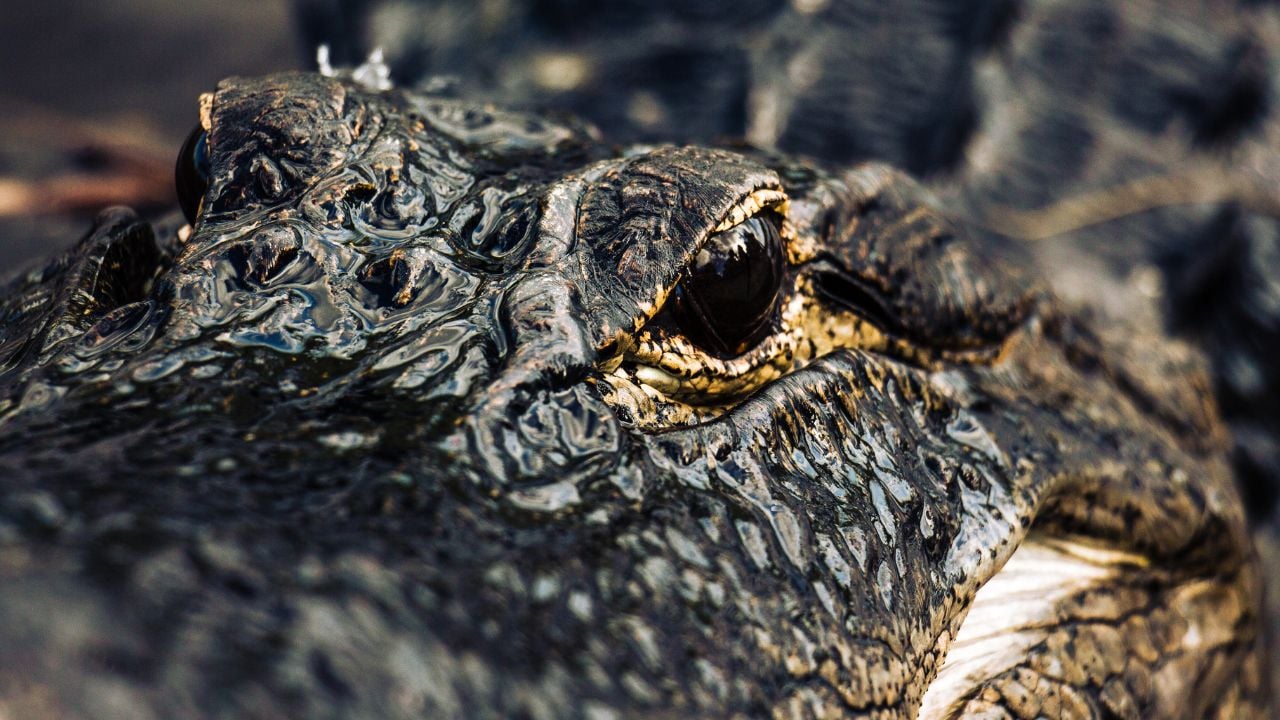
5. Crocodile Tears
You call it crocodile tears when someone’s sorrow rings false.
The phrase comes from an old lie about the animal.
An ancient fable claimed a crocodile wept while it devoured its prey, sobbing over the meal in its jaws.
Medieval travelers passed the story around as fact.
The illustrated animal books of the day, called bestiaries, spread it far and wide.
Reptiles don’t grieve their lunch.
The tears were always the con.
Psst! How much do you know about where everyday words come from? Take our quiz and see if you can ace it.
Quiz
Dark Origins Pop Quiz
Answer nine questions on where everyday words came from. See how many you can ace.
The “mare” in “nightmare” first referred to what?
6. Sold Down the River
Sold down the river means a betrayal by someone you trusted.
The origin is American slavery.
Enslaved people in the Upper South were sold to plantations on the lower Mississippi, where the labor was harsher and survival got harder.
The phrase shows up in writing by 1835.
Families were split apart and shipped downstream, sometimes as punishment, sometimes for profit.
The betrayal was concrete long before it became a figure of speech.
7. Grandfathered In
Grandfathered in feels like a lucky break, an old rule that spares you the new one.
The clause was written to keep people from voting.
Around 1899, several Southern states wrote "grandfather clauses" into their constitutions.
The clauses waived tough voting requirements for men whose fathers or grandfathers could vote before 1867.
That let poor white men skip the hurdles while it blocked Black citizens, whose grandfathers had been barred from the polls.
One clause, one purpose.
8. Read the Riot Act
Read someone the riot act today, and you're scolding them hard.
The first Riot Act carried a death sentence.
Britain passed the law in 1715 to break up crowds.
An official read a set proclamation aloud.
Any group of a dozen or more had one hour to clear the streets.
That reading was the trigger.
Linger past the hour, and you had committed a felony punishable by death.
A lecture from your boss is a mercy by comparison.
9. Pandemonium
Ever notice you reach for pandemonium the second a scene tips into chaos?
It started as an address in Hell.
John Milton coined it for his 1667 poem Paradise Lost.
He built the name from roots meaning "all the demons," and pinned it on the capital of Hell.
Hell had a capital.
Milton invented a place, and we borrowed it for rush hour on I-4.
10. Berserk
Going berserk means losing it, the way anyone might in a slow Publix checkout line.
The word comes from Norse warriors who did it on purpose.
A berserkr in Old Norse was a fighter who whipped himself into a battle frenzy before combat.
Legend said he felt no fire and no blade.
The name likely meant "bear-shirt," after the animal skins the warriors fought in.
He would howl, bite his shield, and tear into the enemy with nothing held back.
Pure fury.
English picked up the word in the 1800s and dropped the shield.
11. Deadline
A deadline now is a due date, the thing you race on a Sunday night.
It used to be a line you didn't dare cross.
In Civil War prison camps, guards marked a boundary they called the dead line.
Diaries recorded it as early as 1863.
It turned deadly at Georgia's Andersonville camp in 1864.
Reach a hand across it, and the sentry fired.
No warning.
For decades, that word meant a boundary and a bullet.
The version sitting on your calendar can't do a thing to you.
11 Summer Realities Florida Newcomers Underestimate
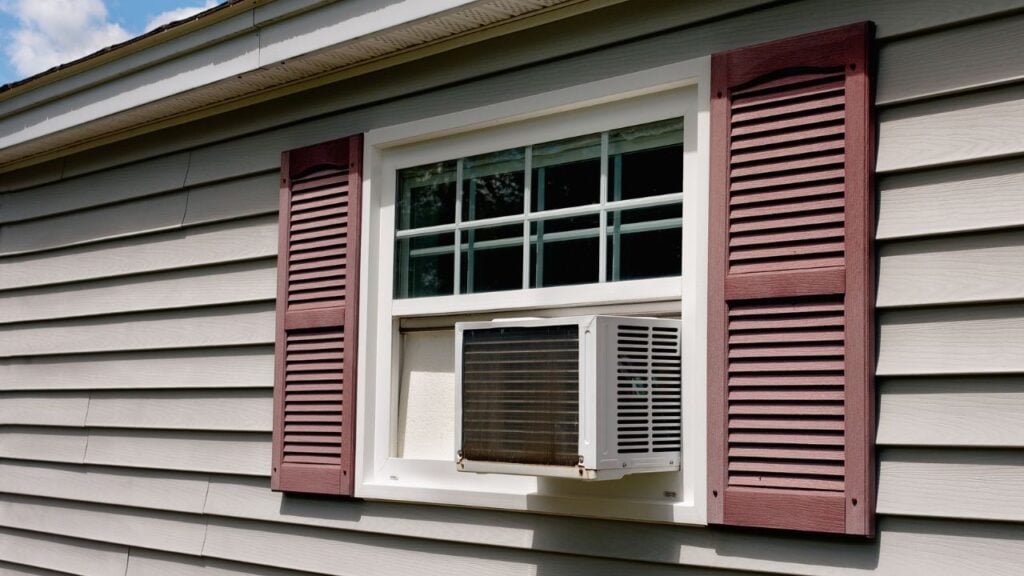
Many people move to Florida for the sunshine, sure they already know what a hot summer feels like.
Then the first July sets them straight.
11 Summer Realities Florida Newcomers Underestimate
10 Florida Restaurants Tourists Pack (and 5 Locals Go To Instead)
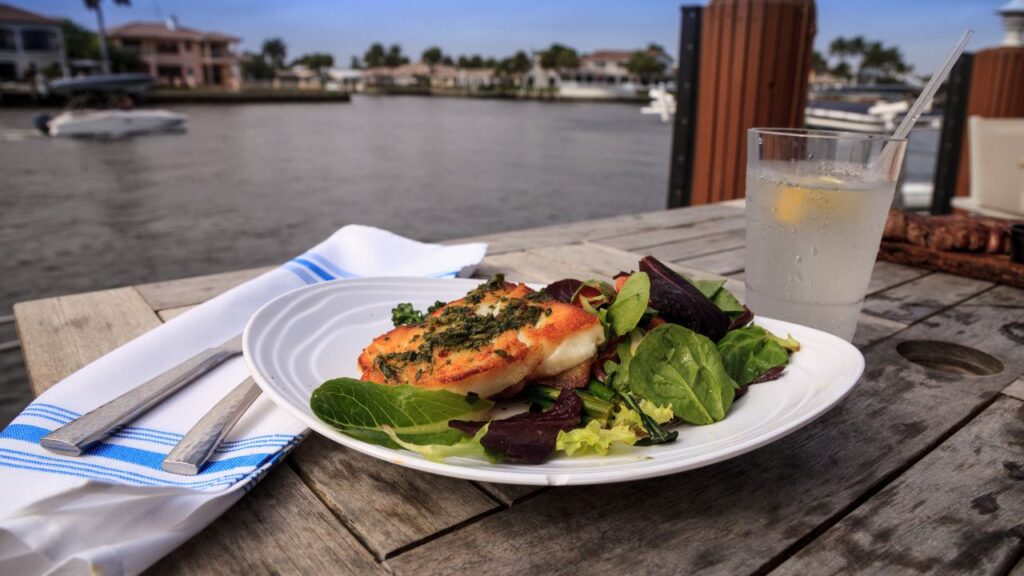
A family from out of state waits ninety minutes for a table and pays double for shrimp.
Two miles away, a local couple walks into a counter joint and eats better for half the price.
10 Florida Restaurants Tourists Pack (and 5 Locals Go To Instead)
