
11 Old-Fashioned Wellness Habits Ohioans Never Needed an App to Track

Ohio ranks 29th in the country for physical inactivity, with roughly 1 in 5 adults reporting no exercise beyond their regular job in the past 30 days, according to America’s Health Rankings.
Earlier generations didn’t always call it exercise, but they worked movement and other healthy routines into ordinary life.
These are the old-fashioned wellness habits Ohioans never needed an app to track.
Note: This is general information, not medical advice. Guidelines are subject to change, so talk to a doctor about your situation.
1. Walking After Supper
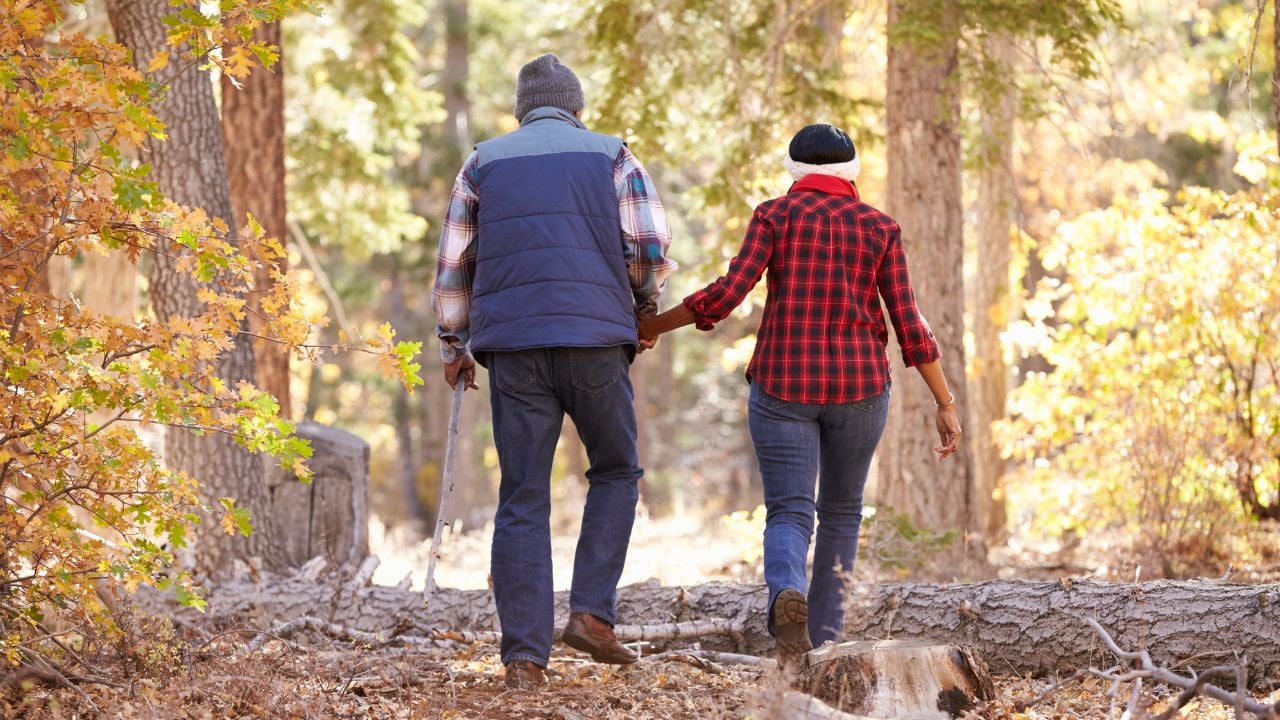
Walking after supper used to be automatic in small-town Ohio, a lap around the block before the dishes even hit the sink.
Ohio ranks 29th in the nation for physical inactivity, and small habits like this one chip away at that number.
Blood sugar responds best to movement in the first 30 minutes after eating.
A walk taken in that window blunts the spike more than one taken later, according to a 2022 review of eight clinical trials.
No fitness tracker required.
Sept. 29 is World Heart Day, and an after-supper walk is exactly the habit the day exists to promote.
The 30-Minute Window Behind an After-Supper Walk
An after-supper walk earns its benefit from timing, not distance.
The effect is strongest within about 30 minutes of finishing a meal, and it fades the longer someone waits to get moving.
A slow ten-minute loop right after you clear the table beats a longer walk taken an hour later.
2. Hanging the Wash to Dry
Hanging the wash on the line meant standing outside for ten or fifteen minutes at a stretch, moving from the basket to the rope and back.
Standing out there that long did double duty.
A few minutes of sun several times a week helps the skin make vitamin D, according to the National Institutes of Health (NIH).
That ability declines with age, which makes the habit worth keeping even as the years add up.
No app logs a vitamin D count for ten minutes at the clothesline.
Line-drying also skips the dryer’s heat and the electricity it takes to run one.
Sunlight worked before batteries did.
3. Digging in the Garden
Digging in the garden is exercise, not just a hobby.
The Centers for Disease Control and Prevention (CDC) counts digging in a garden as a muscle-strengthening activity, the same category as lifting weights or doing push-ups.
Mowing the lawn or raking leaves is what falls under the aerobic kind.
The garden version still counts toward the CDC’s muscle-strengthening target of at least two days a week, no minute count required.
Hilling potatoes or turning a compost pile can eat up an hour without anyone noticing.
Not a single dumbbell in sight, and the reps still add up.
The soil helps too.
Researchers at the University of Bristol found a bacteria common in garden soil switches on the same brain cells linked to serotonin, in mice bred to study mood.
Farmhouse kitchens never needed a lab coat to know a morning in the dirt left everyone feeling better.
4. Sitting on the Porch
Sitting on the porch after supper put people in the middle of the neighborhood instead of alone behind a closed door.
Somebody walked by.
Somebody waved, stopped to talk about the weather, or just sat a minute on the step.
That kind of casual, regular contact is exactly what the U.S. Surgeon General’s 2023 advisory on social connection points to as protective.
The advisory found that a lack of it raises the risk of an early death by 29%.
A porch never needed an app to remind anyone to check in.
5. Walking or Biking to Errands
Walking or biking to church, school, or the corner store used to be the default, not a workout squeezed in around a schedule.
The CDC says walking or bicycling for transportation increases physical activity.
Kids who bike to school regularly test out with better cardiorespiratory fitness than kids who ride in a car every day.
That’s the finding from a 2021 nationwide study of Slovenian schoolchildren published in BMC Public Health (BMC, short for BioMed Central), a peer-reviewed research journal.
It didn’t feel like exercise.
Getting somewhere was the whole point.
Small-town Ohio made that easy, with a church, a school, and a corner store all inside a walk many people could do without thinking twice.
6. Sunday Dinners and Church Potlucks
A big Sunday dinner or a church potluck put a dozen different dishes on one table instead of one plate eaten alone in front of a screen.
That mattered more than the food.
Families who eat meals together regularly tend to eat more produce than those eating alone, per Johns Hopkins Medicine.
No scrolling.
No app tallied how many plates crossed the table either.
Ohio church basements and grange halls have hosted that scene for generations, long before anyone thought to photograph the casserole.
Psst! How much do you know about the history behind America’s wellness habits? Take our quiz and see how many you can get right.
Quiz
Old-School Wellness IQ
Answer these questions on where America’s favorite health and fitness habits came from. We bet you can’t get them all right. Prove us wrong?
The “10,000 steps a day” goal traces back to what source?
7. Splitting and Stacking Firewood
Splitting and stacking firewood was a fall chore in many Ohio households.
In the hill country south of Columbus, a wood stove still heats a house through January.
Nobody called it a workout.
Researchers have a name for the calories burned through ordinary chores instead of a workout, non-exercise activity thermogenesis (NEAT).
Stacking wood is exactly the kind of movement that adds up fast, per the Mayo Clinic.
No app required for an axe.
8. Fishing a Farm Pond
Fishing a farm pond or a creek pulled people outside for an afternoon with nothing to do but wait.
Doing nothing on purpose turned out to matter.
Researchers at the University of Exeter tracked adults across 18 countries and found something people who fished as kids already knew.
People who spent more time near water as kids report better mental wellbeing as adults, in part because they never stopped seeking out places like it.
A farm pond counts.
Ohio has thousands of them, tucked behind barns from the Firelands to the Hocking Hills.
No app hands out a badge for an afternoon spent doing nothing near water, and the payoff showed up in people's lives anyway.
9. Euchre With the Neighbors
A hand of euchre after supper turned a porch or a kitchen table into a standing weekly appointment across Ohio and the rest of the Midwest.
Euchre wasn't the whole point.
A New England Journal of Medicine study followed older adults for years and tracked which leisure habits stuck.
People who regularly did activities like playing board games had a measurably lower risk of developing dementia.
Cards, dominoes, or cribbage, whatever sat on the table, all counted.
There's no brain-training app that beats a weekly card game for keeping a mind sharp, and nobody at that table needed one to prove it.
10. Singing in a Group
Singing in a group used to be common entertainment, in a church choir, a quartet at the Grange hall, or just around a piano after dinner.
It wasn't only for fun.
A study measuring singers' stress hormones found choir singing lowered cortisol more than singing alone did.
Lower stress, same afternoon.
No wearable needed to catch a stress dip like that.
A kitchen full of relatives working through the same three hymns did that job for free, decades before anyone measured it in a lab.
11. Playing Outside Until Dark
Letting kids play outside until the streetlights came on was the default supervision plan in many Ohio neighborhoods, no schedule, no coach, no phone check-in required.
That freedom mattered more than it looked like at the time.
The CDC recommends kids get 60 minutes of physical activity a day.
Unstructured outdoor play, tag, bikes, or a pickup game of kickball, counts toward that goal.
No app needed.
Nobody clocked the minutes or synced anything to a phone.
They just knew supper was twenty minutes off when the streetlights buzzed on, and that was schedule enough for an Ohio summer evening.
8 Ohio Restaurant Chains the Rest of the Country Has Never Tasted
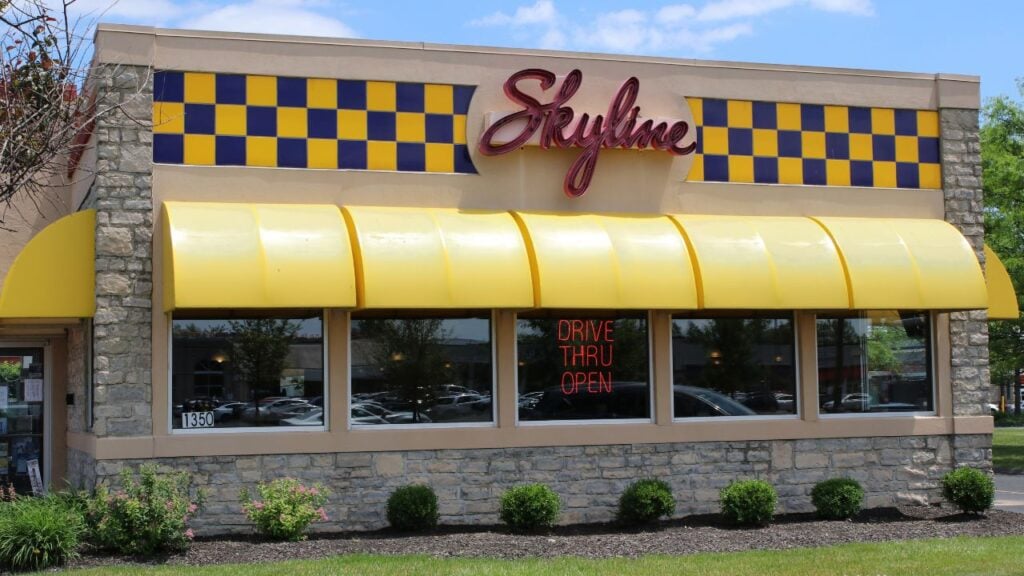
Drive across the Ohio state line in almost any direction, and a whole category of restaurant signs disappears from the road.
These are the Ohio chains many parts of the country have never had the chance to order from, and Ohioans miss them the minute they leave the state.
8 Ohio Restaurant Chains the Rest of the Country Has Never Tasted
9 Things Michigan Does Better Than Ohio, According to People Who Lived in Both

Michigan lost the city of Toledo to Ohio back in 1836, and it got the Upper Peninsula in the trade.
People who have lived on both sides of the border still argue about who came out ahead, and Michigan has a longer list than many Ohioans expect.
9 Things Michigan Does Better Than Ohio, According to People Who Lived in Both
