

11 Small American Cities That Are Becoming Harder to Afford. Virginians Looking to Move, Beware

Northwest Arkansas home prices are up 70.9% since 2019.
That’s the kind of jump Virginians expect out of Loudoun County, not a former farm town best known for a discount retailer’s headquarters.
A handful of small American cities are following the same trend.
These are the small American cities that are becoming harder to afford. Virginians eyeing a cheaper move should run the numbers carefully before packing their bags.
Note: This is general information, not financial or real estate advice. Home prices and rental costs are subject to change.
1. Coeur d’Alene, Idaho
Coeur d’Alene’s housing market just posted its highest median price since August 2022.
Kootenai County homes sold for a median $562,000 in January 2026, up 6.4% from a year earlier.
North Idaho pulled in a wave of remote workers and equity-rich sellers from Seattle and Southern California during the pandemic, and the lake towns never fully reset.
The bargain era ended.
A Virginian pricing out Coeur d’Alene today is shopping the same range as many East Coast suburbs.
2. Morgantown, West Virginia
Morgantown posted the fastest home-price growth of any college town Redfin tracked heading into the summer of 2026.
The median home there sold for $275,000, up 12.9% from a year earlier.
Not a bargain anymore.
West Virginia University’s enrollment growth and remote workers cashing out of pricier East Coast markets both fed the run.
It’s the closest state line on this list to Virginia.
3. Kingston, New York
Kingston posted the largest home-price increase of any of the 384 U.S. metro areas the Freddie Mac House Price Index tracks, a 13.5% jump for 2024.
The typical home there now runs $395,391, up 2.6% from a year ago on top of that run.
New Yorkers priced out of the city discovered the Hudson Valley during the pandemic, and Kingston received years’ worth of demand in a few seasons.
That demand stuck around.
A once-overlooked Catskills gateway now costs about what a starter home costs outside D.C.
4. Bentonville, Arkansas
Bentonville built its reputation on a discount retailer’s headquarters and a low cost of living to match.
That reputation is fading fast.
Home prices across Northwest Arkansas rose 70.9% since 2019, outpacing similar boom regions like Durham-Chapel Hill and Austin.
Bentonville’s own typical home now runs $496,895, up 3.3% over the past year.
The Math Behind Bentonville’s Boom
Bentonville anchors the fastest-growing corner of Northwest Arkansas, and the math behind that growth tells the story.
Home prices across the region rose 70.9% between 2019 and 2024.
Median income for a family of four rose only 35% over that same stretch, from $69,900 to $94,400.
Prices grew roughly twice as fast as paychecks did.
Small city or small town, the label alone doesn’t guarantee an easy trade for a coastal paycheck anymore.
5. Greenville, South Carolina
Greenville’s own city limits hold just 76,180 people, small next to the metro area wrapped around it, which crossed 1 million residents this year.
Greenville’s median home price has risen 25% in five years, from $294,500 in 2021 to $368,146 today.
Sun Belt relocations, a nearby BMW car plant, and a walkable downtown pulled buyers in from up and down the East Coast.
Prices kept rising even after the broader Sun Belt cooled.
Greenville didn’t cool.
Virginians drawn to Greenville’s mild winters and lower taxes are shopping a market that’s up a quarter in half a decade.
6. Traverse City, Michigan
Renters in Traverse City are losing ground faster than the state average by a wide margin.
Nearly 58% of renters there spend 30% or more of their income on housing, well above the statewide average of 48.5%.
Cherry orchards and Lake Michigan shoreline pull tourists and second-home buyers every summer, and short-term rentals compete directly with the year-round housing supply.
Winter rent isn’t cheap either.
The typical home there now runs $451,364.
A view of the bay costs more than it used to.
7. Cedar City, Utah
Cedar City’s home values rose 63% between 2020 and 2022, one of the steepest run-ups of any college town in Utah.
Southern Utah University keeps the town’s population young, but that hasn’t slowed the increase.
The typical home there now runs $407,453, up 2.3% from a year ago.
Psst! Compare all eleven cities side by side. Tap a column to sort by price, or search for your target city below.
8. Bozeman, Montana
Home prices in Bozeman cooled off in 2026, but that cooling never translated into affordability.
Buying the median home there, priced at $715,000 in February 2026, now takes an income of roughly $220,000 a year, 182% of the area’s median.
Nearly 40% of homes sold in greater Bozeman over the past six months went for more than $1 million.
Big money moved in.
Montana State University students share the town with hedge fund transplants now.
A Virginian who cashed out Northern Virginia equity for a cheaper Montana address needs a lot more than that check today.
9. Rapid City, South Dakota
Rapid City charges the highest average rents anywhere in South Dakota.
A one-bedroom apartment there runs as much as $1,250 a month at market rate, and a family needs roughly $62,000 a year in income just to avoid being considered rent burdened, according to South Dakota News Watch.
Rapid City’s typical home value rose too, to $367,620 in 2026, up 1.9% from a year earlier.
South Dakota charges no state income tax, and that alone has pulled retirees and remote workers toward the Black Hills for years.
Gateway towns near Mount Rushmore and the Black Hills National Forest took in a wave of buyers who never left after visiting.
Newcomers chasing the no-tax pitch still hand over a five-figure share of their income in rent before any tax savings show up.
10. Portsmouth, New Hampshire
A citywide reassessment in Portsmouth just delivered the bad news straight to homeowners.
Single-family home values are up 60.7%, with condos up 61.9% and manufactured homes up 85%.
“People are going to be shocked,” the city’s assessor told homeowners ahead of the new tax bills.
Ouch.
Coastal New England’s small-city charm never came cheap.
Portsmouth just proved it costs even more than it did a few years back.
11. Sturgeon Bay, Wisconsin
Sturgeon Bay anchors the Door Peninsula, Wisconsin’s getaway for cabins and cherry orchards.
The typical home there runs $389,530 now, up 1.4% from a year ago.
Door County homes are selling faster despite fewer of them changing hands: The typical listing spent 42 days on the market this spring, down from 55 a year earlier, while sales dropped from 58 homes to 46.
So many buyers want a second home on the Door Peninsula instead of a full-time house that the shrinking pool of listings is moving faster, not slower.
Wisconsin’s statewide median home price rose 5.9% over the year through June 2026, according to the Wisconsin Realtors Association, part of the same run that kept Door County’s own listings scarce.
Door County’s homes still move for close to full asking price many weeks of the year, even with mortgage rates keeping many shoppers on the sidelines elsewhere.
A Virginian shopping Sturgeon Bay for a lakeside retreat is competing with Chicago and Milwaukee buyers who treat the drive north as a weekend trip, not a relocation.
12 Home Repairs Virginians Are Told They Need That Rarely Matter
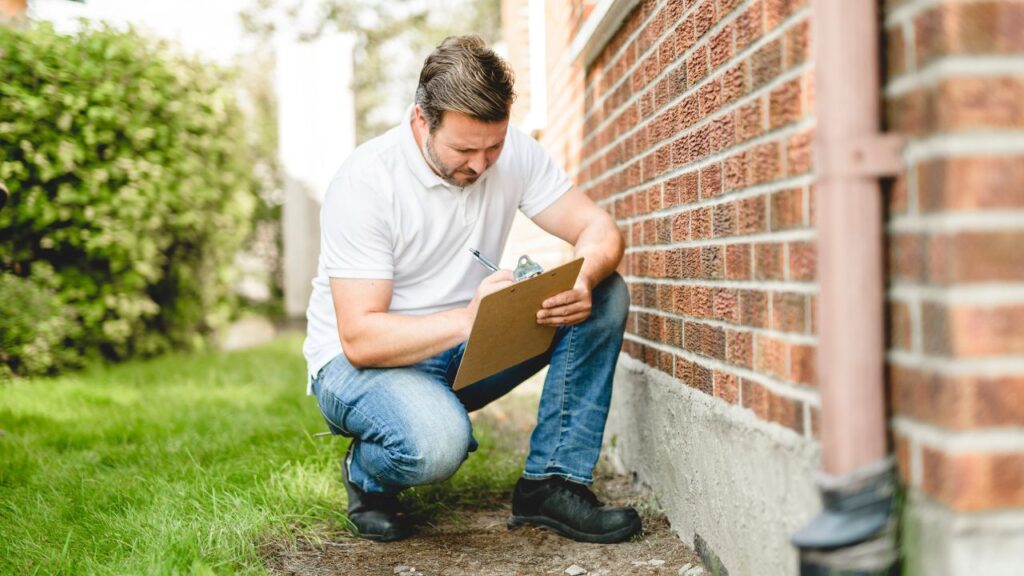
A home inspector in Lynchburg once flagged a hairline crack in a basement wall, and by the weekend three different companies had called about it.
Two said “structural” before anyone measured a thing, and the third just said to watch it and call back in the spring.
12 Home Repairs Virginians Are Told They Need That Rarely Matter
9 Ways Virginians Keep Ticks Out of Their Yard Before Fall

Tick season doesn’t wind down once the kids go back to school, no matter how badly Virginians want to believe it does.
Virginia Cooperative Extension researchers say adult blacklegged ticks stay active clear into winter, right when many people put the bug spray away.
