
11 Strange Florida Laws That Sound Completely Made Up

You could be breaking a Florida law right now and not even know it.
The state’s statutes are packed with rules so strange they sound like tall tales.
Read on, and you’ll never look at a balloon, an alligator, or a pickup truck the same way again.
Adultery Is Still Illegal
Cheating on your spouse can break your marriage and, on paper, Florida law.
Florida Statute 798.01 makes “living in an open state of adultery” a second-degree misdemeanor.
It dates back to the 1800s.
While almost nobody gets charged anymore, it was never struck from the books.
The statute even spells out that if either party is married, both can be deemed guilty.
It’s a relic from a different era, gathering dust between modern laws.
But until the legislature repeals it, open adultery remains, in the eyes of Florida’s statutes, a crime.
You Can’t Touch a Manatee
Floating over to pet one of Florida’s beloved sea cows feels harmless.
It’s also against the law.
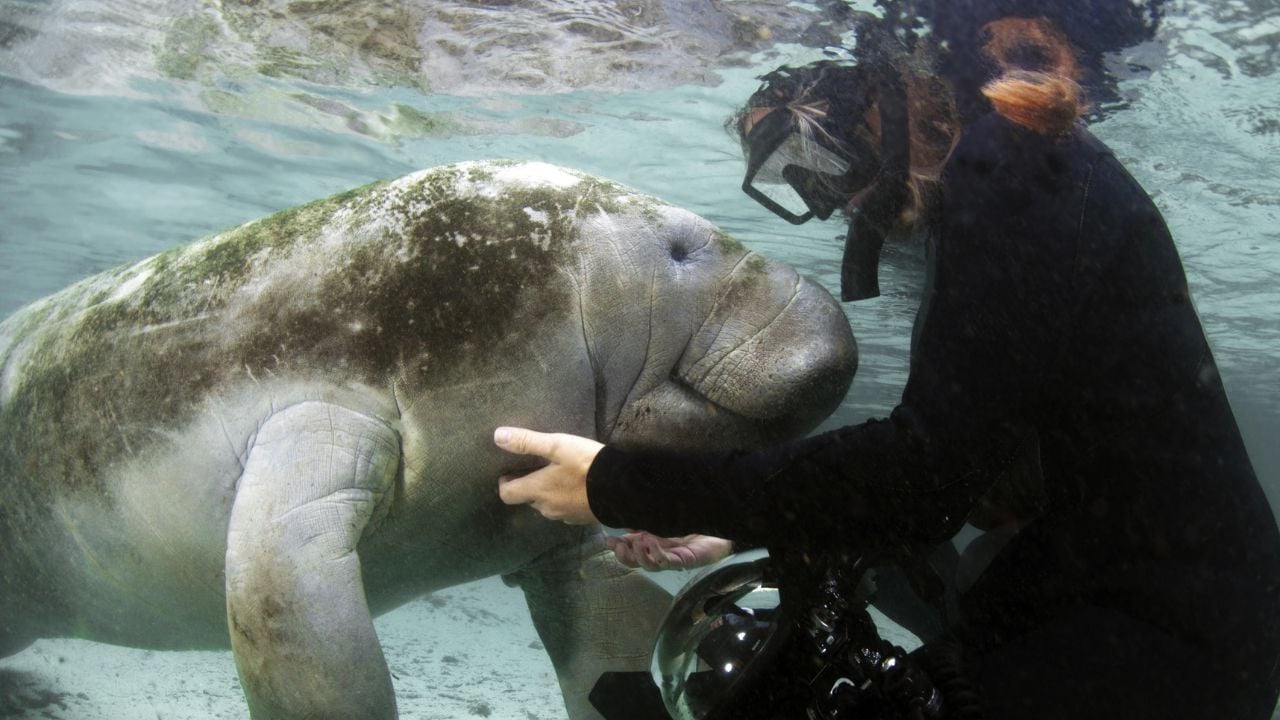
The Manatee Sanctuary Act declares the entire state a refuge for these gentle giants, and it’s a second-degree misdemeanor to annoy, molest, harass, or disturb one.
Touching counts.
So does chasing, feeding, or, yes, climbing aboard.
People assume this is folklore until they hear about the woman arrested in 2012 after she was photographed riding a manatee at a Pinellas County park.
She told police she was new to the area and didn’t know.
Now you do. Admire them from a respectful distance.
Dwarf-Tossing Is Banned in Bars
Yes, this is a real law. And, yes, Florida felt the need to write it.
Since 1989, the state has prohibited any bar or club with a liquor license from hosting dwarf-tossing, a dangerous stunt that does exactly what the grim name suggests.
Venues that allow it risk fines or the loss of their license.
A 2011 bill tried to repeal the ban, but it failed, and the prohibition still stands.
Advocacy groups for little people back keeping it, since the activity carries a high risk of serious spinal injury.
It sounds invented. But the statute has been on the books for over thirty years.
Pregnant Pigs Are in the Constitution
Most states tuck farm rules into agricultural code.
Florida wrote one into its constitution.
In 2002, more than two million voters approved an amendment, now part of the state constitution, that makes it illegal to confine a pregnant pig in a space too small for her to turn around.
Florida was the first state in the country to ban a farming practice this way.
Violations count as a first-degree misdemeanor, with fines up to $5,000 per pig.
Feeding Wild Alligators Is a Crime
Tossing Cheetos to a gator might feel like a fun Florida photo op.
It’s a second-degree misdemeanor.
State law makes it illegal to intentionally feed or entice wild alligators and crocodiles, and Florida wildlife officers enforce it regularly.
The reason is simple: A gator that links people with food loses its fear of humans and turns dangerous.
With roughly 1.3 million alligators spread across all 67 counties, the state takes this one to heart.
Fines often run a few hundred dollars, with steeper penalties for repeat offenders.
The same goes for bears, raccoons, and sandhill cranes.
Let Florida’s wildlife find its own lunch.
Living Together Was Illegal Until 2016
For more than 150 years, unmarried couples in Florida were committing a misdemeanor just by sharing an address.
A statute on the books since the 1800s made it illegal for an unmarried man and woman to “lewdly and lasciviously” cohabit, with penalties reaching up to 60 days in jail.
By modern times, nobody enforced it.
But the law lingered until a lawmaker noticed it was still there.
Governor Rick Scott signed the repeal in 2016, finally letting couples live in sin without technically committing a crime.
Better late than never.
Letting Go of a Balloon Can Cost You
That heartfelt balloon release at a beach memorial?
In Florida, it’s now a finable offense.
The state long restricted mass balloon releases, but a 2024 update went further.
Since July 1, 2024, intentionally releasing any lighter-than-air balloon is treated as littering, carrying a $150 fine.
The reason is the wildlife.
Balloons drift back down into the ocean, where sea turtles and seabirds mistake them for food, often with deadly results.
Kids six and under get a pass, and weather and hot-air balloons are exempt.
Everyone else: keep a firm grip on the string.
Beach Lights Must Go Dark for Sea Turtles
In much of coastal Florida, leaving your beachfront lights blazing at night can earn you a citation.
Beachfront lighting rules direct coastal communities to control outdoor light during sea turtle nesting season, which runs May through October.
Bright lights disorient hatchlings, who follow the glow inland instead of toward the moonlit water.
So from Volusia to Broward, oceanfront properties dim, shield, or shut off their lights for months each year.
Some towns even restrict flashlights and phone screens on the beach after dark.
It’s one of the few places where flipping on a porch light can put you on the wrong side of the law.
You Can’t Park a Pickup in Your Driveway
In Coral Gables, the truck in your own driveway can earn you a ticket.
The upscale Miami suburb has long banned residents from parking pickup trucks overnight, whether on city streets or in their own residential driveways.
The city has revisited the rule more than once and voted to keep it largely in place.
The logic is aesthetic.
Coral Gables guards its manicured, Mediterranean look with famous strictness.
To many residents and nearly every outsider, telling someone they can’t park their truck at their own home sounds absurd.
Absurd or not, it’s enforced.
A Theater Door Can Be a Felony
This one sounds like a punchline. But it carries felony weight.
Florida Statute 823.06 requires that buildings built for theaters, operas, and other public entertainment have doors that open outward.
Fail to comply, and whoever runs the place is guilty of a third-degree felony.
It seems bizarre until you learn the backstory.
The law dates to 1891, written after deadly theater fires elsewhere trapped panicked crowds behind doors that swung inward.
So it’s odd on its face but rooted in real tragedy.
A door opening the wrong way is, in Florida, a serious crime.
You Can’t Keep a Burmese Python as a Pet
Florida’s python problem got so bad the state outlawed owning one.
Since 2021, the Burmese python has sat on Florida’s list of prohibited species, alongside green iguanas, tegus, and green anacondas.
You can’t buy one, breed one, or keep one as a pet, with narrow exceptions for research and education.
The crackdown followed years of tens of thousands of these giant constrictors overrunning the Everglades and devastating native wildlife, many of them descended from released or escaped pets.
Florida now runs organized hunts to remove them.
Keeping one as a house pet, though, is off the table.
12 Florida Tax Breaks That Have Nothing to Do With Your Age

The Golden Girls made Florida look like a place you retire to and finally relax.
But the tax perks down here aren’t waiting for you to hit a certain age. Some of the biggest breaks land the second you become a resident, whether you’re chasing a pension or a promotion.
12 Florida Tax Breaks That Have Nothing to Do With Your Age
8 Florida Perks Nobody Tells You About Until You Turn 60
Too many Floridians approach 60 without knowing about the perks Florida offers seniors.
Don’t be among those finding out late.
