
11 Travel Etiquette Rules California Vacationers Keep Breaking on Accident

California pulled in a record $158.9 billion in visitor spending in 2025, more than any other state, according to Visit California.
You can bet a lot of first-timers made up that number.
The state runs on rules that nobody posts on a sign, and a visitor usually finds out they broke one from a stranger’s face.
These are the travel etiquette rules California vacationers keep accidentally breaking.
1. Dropping in on a Wave
Surf breaks up and down the California coast run on an unwritten pecking order, and a newcomer usually breaks it before catching a first wave.
Whoever sits closest to the peak, the spot where a wave first breaks, has priority on that wave.
Locals notice.
That pecking order matters more with each passing year.
California drew a record $158.9 billion in visitor spending in 2025, and many of those newcomers are now paddling into lineups that used to belong mostly to locals.
The city of Del Mar posts a surf etiquette guide for exactly this reason.
The guide warns that paddling for a wave someone else already has is the fastest way to make enemies in the water.
A beginner who paddles for the wrong wave usually isn’t being aggressive on purpose.
They just haven’t learned the lineup yet.
2. Blocking the Uphill Hiker
Steep trails in California’s national and state parks pull in hikers all summer and fall, and many visitors never learn who’s supposed to step aside.
The National Park Service is clear on the order: Hikers heading downhill yield to hikers climbing up.
Uphill hikers are working against gravity with their eyes fixed on the next few feet of trail.
Stopping mid-climb costs them their rhythm.
Bikers yield to hikers and horses, and hikers yield to horses, but a tourist coming downhill on foot rarely realizes the chain includes them too.
Many walk straight through anyway.
The climber ends up hugging the edge of the trail instead.
3. Handling Tide Pool Creatures
Tide pools along California’s rocky coastline hold sea stars, anemones, and hermit crabs, and the urge to pick one up for a closer look is instant.
California State Parks asks visitors to look without touching.
Even a gentle pickup to show the kids can stress a sea star or knock loose the grip an anemone needs to survive.
Put it back exactly where it came from, and the animal is still shaken.
The next family that stops at the same pool often finds it emptier: A stressed sea star can retreat into a crevice for hours.
Turning over rocks causes the same kind of harm.
Tide pool creatures use those rocks as shelter from the sun and from predators, and a rock flipped for a better look can crush whatever’s hiding underneath.
No harm intended.
The damage happens anyway, and the next family’s tide pool comes up quieter for it.
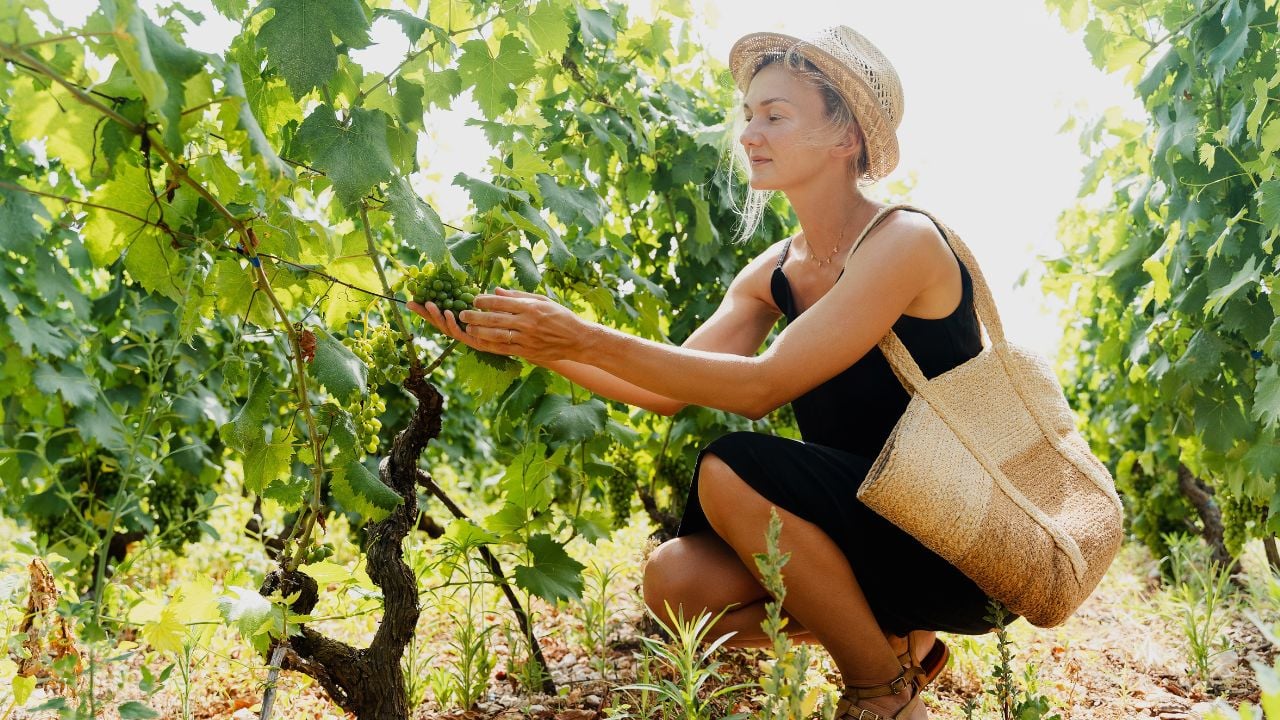
4. Skipping the Tasting Reservation
Napa and Sonoma wine country in California draws vacationers who assume they can walk into any tasting room they want.
Many of the smaller wineries don’t work that way.
Visit Napa Valley notes that many boutique wineries pour by appointment only, with a handful of tasting slots set aside each day.
A group of six who shows up unannounced can leave a two-person tasting room scrambling for seats, glasses, and pours it didn’t plan on.
Call ahead.
A five-minute phone call the day before solves the whole problem.
5. Wearing Heavy Perfume
Napa and Sonoma tasting rooms in California run on smell as much as taste, and a visitor’s cologne can throw off everyone standing at the bar.
Visit Napa Valley warns guests that strong perfume, cologne, or scented lotion can muddle the tasting experience for everyone standing nearby.
A strong scent competes with the wine’s aroma and changes how it tastes to the person standing next to you.
Nobody notices their cologne after an hour of wearing it.
Everyone else does.
6. Haggling at the Farmers Market
Farmers markets across California run nearly every weekend of the year, and a tourist used to bargaining at a flea market brings that habit straight to the produce stand.
Sunset flags this as one of the top farmers market manners mistakes.
A farmers market isn’t a flea market, and haggling over the price of peaches reads as an insult to the grower who set it.
Squeezing or poking the produce to check for ripeness causes a different problem.
A bruised peach can’t be sold to the next customer.
Ask the farmer instead.
7. Touching the Redwood Roots
Muir Woods and California’s other redwood groves pull visitors off the boardwalk for a closer look at the trunk, and that’s exactly the problem.
A redwood’s root system runs only 10 to 13 feet deep before spreading outward as far as 80 feet, and the tree has no taproot at all.
That’s not by accident.
That shallow, wide web is what keeps a tree that can top 300 feet standing through coastal storms.
Every boot that steps off the boardwalk presses the soil above those roots a little tighter.
A compacted grove holds less water and air for those roots.
The tree that struggles because of it is the same one the next thousand visitors came to see.
The boardwalk exists so the grove can hold up under that many feet.
The tree you’re trying to photograph took root before California was a state, and it doesn’t need help from your hiking boots to keep standing.
8. Skipping the Tip
Restaurants across California have gotten creative with the bottom line, and a lot of vacationers now see a mystery line item before the total.
A menu or a check listing a service charge or a “kitchen fee” doesn’t automatically mean the gratuity is covered.
California law only requires that fee to be clearly disclosed on the menu, not that it goes to the person who served your table.
A visitor who sees the extra charge and skips the tip line often leaves a server with nothing for the shift.
Tip anyway.
Leave it the way you would anywhere else in California, on top of whatever fee already showed up on the bill.
What a California Service Charge Doesn’t Guarantee
A California restaurant’s service charge is a business decision, not a state-required tip.
By default, that money belongs to the restaurant’s owner, who can keep it, put it toward payroll costs, or share it with staff.
California’s minimum wage rose to $16.90 an hour on January 1, 2026, and restaurants can’t count tips toward that base pay the way some other states allow.
The tip you leave is still separate money staff count on, no matter what the fee on the receipt is called.
9. Blocking the Escalator
San Francisco’s Bay Area Rapid Transit (BART) system moves visitors around the city without a car, and many tourists ride its escalators wrong the first time.
Bay Area commuters expect the right side held open for standing and the left side kept clear for anyone in a hurry to walk up.
A vacationer and a travel partner chatting side by side block both lanes at once.
Commuters stack up behind them within seconds.
BART has admitted the walk-left habit wears down its escalators faster, but riders keep doing it anyway.
Old habits.
The unwritten courtesy hasn’t changed, no matter how many times BART flags the wear it causes.
10. Crowding Someone’s Sand
Popular beaches across California fill in fast on a warm weekend, and a visitor arriving late has to squeeze in somewhere.
Laguna Beach now writes the buffer into law, and its 2026 ordinance requires shade structures in the city’s canopy zones to sit at least five feet apart.
Many California beaches leave the spacing to common sense instead of an ordinance, but five feet is a fair gauge for how much room a stranger’s blanket needs.
Plant a canopy right against a stranger’s blanket anyway, and their view, their shade, and their afternoon just got smaller.
Nobody says anything.
Neighbors on the sand send the message with a look instead.
Psst! How much do you know about California’s most famous landmarks? Take our quiz and see if you can ace it.
Quiz
California Vacation IQ
Answer these questions on California’s most famous landmarks and quirks. We bet you can’t get them all right. Prove us wrong?
The Hollywood Sign went up in 1923 to advertise what?
11. Filming a Street Performer
Fisherman's Wharf and Venice Beach, two of California's busy boardwalks, draw street performers who work for tips, not applause.
A tourist who pulls out a phone, films thirty seconds of the act, and walks off is treating a paid performance like free content.
Street performers have pushed back on this exact habit for years, saying a phone pointed at their act deserves the same tip a live audience would leave.
Not a free show.
Tipping when you film is basic courtesy among buskers, not a rule anyone can enforce, but skipping it leaves the performer working for free.
A dollar or two in the case before you hit record covers it.
Skip that step, and the performer remembers exactly which visitors did.
9 California Roadside Attractions Worth the Detour, According to Locals
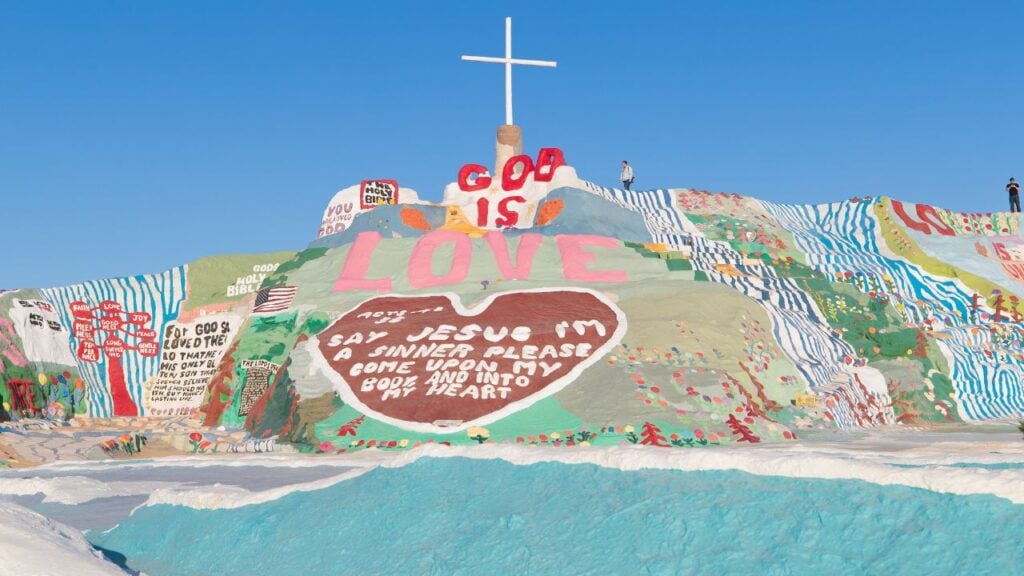
California has more than 1,100 official historical landmarks, and many of them sit on a plain highway shoulder instead of behind museum glass.
Many out-of-state drivers speed right past them without a second look.
9 California Roadside Attractions Worth the Detour, According to Locals
6 Discontinued Fast-Food Sides That Californians Think Deserve a Second Chance
Arby's brought its Potato Cakes back for good in February 2025, backed by a pledge to hand out $1 million in free food if the chain ever pulls them again.
Not every abandoned fast-food side gets an ending like that.
6 Discontinued Fast-Food Sides That Californians Think Deserve a Second Chance
