
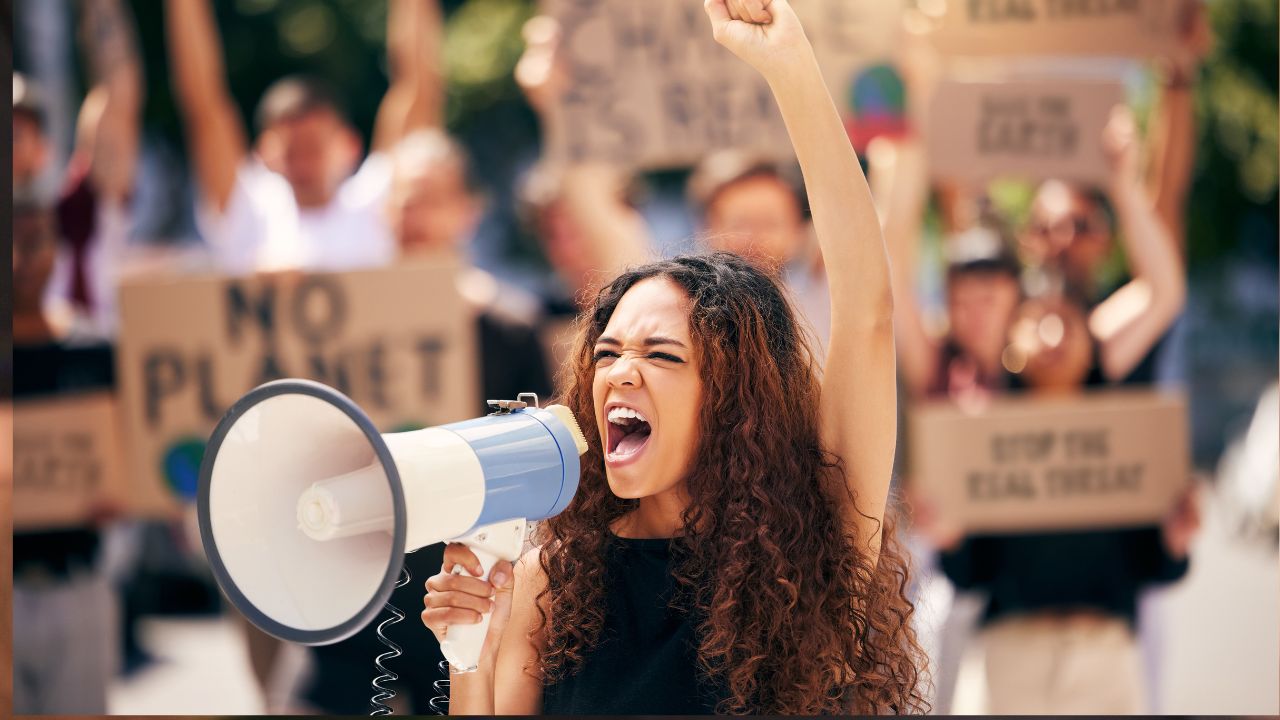
11 Ways Gen Z Is Changing Politics in America

Gen Z is poised to assume control of the 18 to 29-year-old voter cohort in the coming years, making them a formidable influence in American politics. These are 11 ways this group of young voters might transform our democratic landscape, backed by studies and surveys.
1: More Firearm Restrictions
Seventy-five percent of Gen Z report school shootings as a major source of stress. It’s not surprising, then, that these voters are also more likely to place firearm violence as one of their top three political concerns. Most favor more stringent weapon laws and will vote for politicians who push them.
2: Changes To Voter Registration
A Tufts College poll showed that more of Gen Z had trouble with voter registration than their millennial counterparts. More states are now adopting policies that aim to make registration a simpler process.
3: More Voting Options
Gen Z reports having less time to vote than previous generations. Some believe time constraints will make Gen Z voters big supporters of early voting options.
4: Better Voter Turnout
Typically, Americans expect the youngest voter cohorts to have the lowest turnout. Gen Z could change that, though. Gen Z voted at a higher rate in 2022 than other generations have in their first eligible midterm election.
5: Focus on Impact, Not Identity
Gen Z voters are more focused on the impact of their ballot than their political identity. Rather than worrying about what it means to be a Democrat or Republican, Gen Z reports caring more about the impact of their vote.
6: Affordable Housing and Education
Inflation is a top-level concern for voters across age brackets, but Gen Z has particular reasons to worry. For young voters, paying for school and rent is becoming more difficult. Much of Gen Z supports more affordable housing and education options.
7: Family Influences First
Gen Z is slower to leave the nest than previous generations, and many still live with their parents. It’s no wonder, then, that Gen Z reports getting most of their political information and having most political discussions with their immediate family rather than coworkers or neighbors.
8: Social Media Matters
Gen Z relies heavily on TikTok and YouTube for political news rather than traditional media. Less reliance on major news outlets could significantly change the future political landscape.
9: Climate Is More Important
Gen Z cares about the climate more than any other previous generation. They’re seeking out climate-related careers en masse and want their government to adopt earth-friendly policies.
10: Less Religious Affiliations
Gen Z is less religious than prior generations in that they’re less likely to join a specific church or label themselves by religion. However, they’re slightly more likely to believe in a higher power. Religious groups that have political ties may find it hard to capture Gen Z’s unaffiliated faith.
11: More Diverse
Thirty-eight percent of Gen Z identifies as people of color, and over 48% of them are non-white, making them the most diverse voting age group in the country. Gen Z voters are more likely to grow up with exposure to many cultures, which some believe makes them bigger proponents of social justice and equal opportunity.
Who Are Gen Z
Gen Z, or Generation “Zoomer,” refers to people born between 1996 and 2010. They were shaped by political and social conditions that included things like screentime concerns, climate change anxiety, and a worldwide pandemic.
Leans Liberal, Not Democrat
Though many Gen Z voters lean liberal, few are willing to label themselves Democrats. These younger voters seem more interested in deciding their politics on an issue-by-issue basis.
Gen Z Politicians
Maxwell Frost, a Florida Democrat, became the first Gen-Z politician to be elected to Congress in 2022. A slew of additional Gen Zers are running for office in 2024, including Joe Vogel of Maryland and Cheyenne Hunt of California.
41 Million Strong
In 2024, 40.8 million members of Gen Z will be eligible to vote, making them a formidable political force with the power to significantly impact the issues that matter most to them.
11 Poor Hygiene Habits Americans Don’t Know They Have

Americans believe in cleanliness, but we may not be as hygienic as we think. These eleven habits reveal where many Americans fail in the hygiene department.
11 Poor Hygiene Habits Americans Don’t Know They Have
50 Weirdest Laws in Each State

Most Americans are clear on treating thy neighbor as they’d want to be treated to reduce the chance of fines and jail time. But did you know you could be breaking the law by carrying an ice cream cone in your pocket? These are the weirdest laws in each state, most of which courts don’t enforce.
