

11 Wellness Products Ohioans Are Told They Need but Probably Don’t

The FDA logged more than 130 reports of lost smell, some of it permanent, after people used one nasal cold product.
It sent the maker a warning letter in June 2009.
Selling the product in the first place didn’t require the agency’s approval, because a supplement never gets reviewed for safety or effectiveness before it goes up for sale.
These are the wellness products Ohioans are told they need but probably don’t.
Note: This is general information, not medical advice. Product formulas and research change, so talk to a doctor or pharmacist before starting anything new.
1. Detox Tea
Detox tea shows up on store shelves and in ads promising a flatter stomach after a few weeks of steeping.
The brand Teami built a business on that promise, paying social media influencers to tell followers its teas would help them lose weight and even fight cancer.
The Federal Trade Commission (FTC) returned more than $930,000 to consumers after finding those claims couldn’t be backed up.
Teami also hadn’t disclosed it was paying the influencers who made them.
No tea flushes toxins a working liver and kidneys don’t already handle.
Not a drop of it.
Steam, not science, is doing the selling.
Why Nobody Tests the Bottle First
Detox tea, and every other product on this list, reaches shelves without an FDA safety or effectiveness review.
Dietary supplements skip the approval process a new drug has to survive.
One narrow exception exists: A company adding an ingredient that wasn’t sold in the U.S. before October 1994 has to notify the FDA 75 days ahead of time and explain why it should be safe.
Many supplements never trigger that rule at all because they’re built from ingredients sold long before the cutoff.
The FTC steps in only after the marketing claims go too far, and only after enough customers have already paid for the bottle.
2. Daily Multivitamins
Supplement aisles market daily multivitamins as everyday insurance against heart disease and cancer, the pill you take just in case.
The U.S. Preventive Services Task Force reviewed the evidence in 2022 and found it insufficient to say multivitamins lower a healthy adult’s risk of either disease.
The needle doesn’t move.
Just unproven, and priced like it works.
Someone eating a varied diet with no diagnosed deficiency is likely paying for a placebo with a label.
3. CBD Gummies and Oils
Cannabidiol (CBD) gummies and oils fill gas station counters and wellness shops with labels promising relief from pain, anxiety and sleepless nights.
One seller, Kushly Industries, told customers its CBD products could ease chronic pain, anxiety and depression, and even help with cancer, Parkinson’s disease and Alzheimer’s disease.
The FTC ordered the company to stop making those claims and to pay back $30,583 that customers spent on them.
None of it held up.
CBD sold this way is a mood ring wearing a lab coat, and the FTC keeps finding new sellers to warn.
4. Charcoal Toothpaste
Sellers market charcoal toothpaste as a natural whitener, the black paste that promises a brighter smile without the dentist’s chair.
Dental researchers who reviewed the studies on charcoal-based toothpaste found no reliable evidence it whitens teeth.
Worse, the gritty texture can wear down enamel with regular use, and many charcoal formulas skip fluoride entirely.
Black doesn’t mean clean.
Dentists generally point shoppers back to a plain fluoride toothpaste carrying the American Dental Association (ADA) seal instead.
5. Copper Compression Bracelets
Retailers sell copper compression bracelets to anyone with sore knuckles or an aching knee, pitching the metal band as something that draws pain out through the skin.
A placebo-controlled trial tested copper and magnetic bracelets against fake, look-alike versions on people with osteoarthritis.
The Arthritis Foundation reports the results showed no meaningful difference in pain, stiffness or swelling between the two groups.
The placebo deserves the credit.
The relief people feel isn’t imagined.
The copper isn’t what’s doing it.
6. Ear Candles
Sellers pitch ear candles as a way to pull earwax and toxins out through the ear canal, using nothing but a lit taper and a little smoke.
The FDA classifies them as an unapproved medical device and detains shipments from several countries at the border.
The agency’s import alert states there’s no validated scientific evidence the product does what it claims.
There’s also a lit flame an inch from someone’s hair and ear canal.
What’s the payoff?
Burn injuries send people to the emergency room (ER) for this one, not fewer.
7. Homeopathic Cold Remedies
Homeopathic cold and flu remedies line the same drugstore shelf as regular cold medicine, often in packaging that looks nearly identical.
Zicam built its name on a nasal gel and matching nasal swabs, sold as a homeopathic remedy.
The labels promised relief from a stuffy nose, sore throat, sneezing, coughing and congestion.
The FDA logged more than 130 reports of lost smell, some of it permanent, after people used the nasal products.
The FDA sent maker Matrixx Initiatives a warning letter in June 2009, telling the company to pull the products or prove they were safe.
Matrixx recalled Zicam Cold Remedy Nasal Gel and Nasal Swabs within days.
Some never came back.
Zicam reached shelves without that kind of testing in the first place because homeopathic remedies aren’t required to prove they’re safe or effective before they’re sold.
8. Caffeine-Infused Shapewear
Ads pitch caffeine-infused shapewear as a slimming shortcut, leggings and body suits with tiny capsules of caffeine built into the fabric.
The pitch is that the caffeine soaks through the skin and melts away cellulite while someone just goes about their day.
The pitch outruns the proof.
In 2014, the FTC settled with two shapewear makers over exactly that promise, ruling the weight-loss and cellulite claims had no scientific backing.
Compression can smooth a silhouette for an afternoon.
It can’t dissolve fat, no matter what the fabric is laced with.
9. Detox Foot Pads
Shoppers stick detox foot pads to the sole of each foot overnight and peel them off dark in the morning.
Sellers point to the dark color as proof toxins came out through the skin.
After the FTC challenged the science behind Kinoki foot pads, a federal judge banned the marketers in 2010 from promoting or selling any dietary supplement, food, drug or medical device.
The order also barred them from helping anyone else do the same.
Similar pads under other names are still on shelves.
That staining comes from a chemical reaction with sweat, moisture and warmth, not from anything drawn out of a foot.
Feet just sweat overnight.
10. Prevagen
Prevagen markets itself by name as a memory booster, a daily capsule made from a protein first found in jellyfish.
The FTC and the New York Attorney General sued the maker, Quincy Bioscience, over claims the pill sharpens memory and fights everyday forgetfulness.
After seven years of litigation and a jury trial, a federal court in December 2024 ordered Quincy Bioscience to stop making those claims.
Seven years.
Quincy Bioscience is appealing that order, and the Second Circuit heard oral arguments in February 2026 without yet ruling.
The bottle is still on shelves in Ohio pharmacies, minus the promises that used to be on the label.
Psst! How much do you know about wellness product claims? Flip each card and see how many you already knew.
11. Airborne
Airborne built its name on a story about a schoolteacher who invented a fizzy tablet to fight off colds in the classroom.
The company advertised it as clinically proven to boost the immune system and stop a cold before it started.
It never held up.
The FTC fined the company $6.5 million in 2008 after finding the clinical study behind that claim didn’t hold up, and Airborne separately paid up to $23.51 million to settle a private class-action lawsuit, Wilson v. Airborne, Inc., bringing the combined refund total to $30 million.
The teacher-tested story stuck around anyway.
Shoppers still reach for it every cold season, tossing a tablet into a water bottle at the first hint of a scratchy throat.
Vitamin C in the fizzy mix isn’t nothing, and zinc has some evidence behind shortening a cold that’s already started.
Stopping a cold before it starts is the part no tablet has ever managed.
8 Ohio Restaurant Chains the Rest of the Country Has Never Tasted
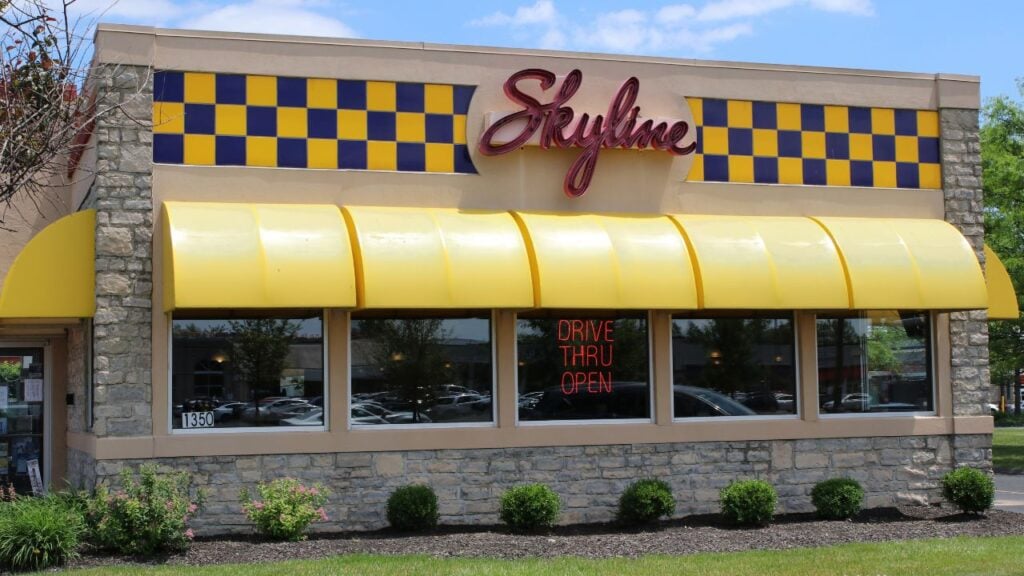
Drive across the Ohio state line in almost any direction, and a whole category of restaurant signs disappears from the road.
The chili spot vanishes, and so does the burger drive-in with the double-decker, both of them local legends that never expanded past the state.
8 Ohio Restaurant Chains the Rest of the Country Has Never Tasted
9 Ohio Storm Shelter Rules Homeowners Wish They’d Known Sooner

A locked door and four concrete walls don’t automatically make a legal storm shelter in Ohio.
One set of state rules decides whether a shelter counts, whether a homeowner can get help paying for it, and whether it holds up when it matters most.
9 Ohio Storm Shelter Rules Homeowners Wish They’d Known Sooner
