12 Classic 1950s Vacation Spots That Don’t Feel the Same Today in the Eyes of Older Americans

Ask an older American resident about their favorite childhood vacation, and you’ll likely hear about a long car ride, a roadside motel, and a few unforgettable stops along the way.
The 1950s were full of classic destinations that shaped summer memories for years to come.
Today, many of those same spots are still around, but they don’t feel quite the same.
Niagara Falls Used To Feel Grand, Now It Feels Like a Side Attraction
In the 1950s, a trip to Niagara Falls was the ultimate family adventure. People came from across the country to see the powerful water up close.
It was dramatic, exciting, and full of natural wonder.
The roar of the falls was unforgettable, and standing near the edge made you feel small in the best way.
Back then, the town had a slower pace. Families stayed in quiet motels, ate in small diners, and walked along the water without battling crowds. It was a full experience from start to finish.
Today, the falls are still there, but the setting feels different. There’s more traffic, more noise, and more flashy entertainment competing for attention.
It still has beauty, though for older Americans, it doesn’t hold the same quiet magic it once did.
Atlantic City Was Once Classy, Now It’s Flashy
In the 1950s, Atlantic City was a go-to summer destination. Families dressed up to stroll the boardwalk, enjoy live music, and treat themselves to saltwater taffy.
The hotels had charm, the beaches were clean, and the whole place felt like a seaside escape.
People came for more than just fun. They came for the atmosphere.
It felt safe, polished, and full of tradition. You could catch a show, ride the Ferris wheel, or simply watch the waves.
Today, the Atlantic City boardwalk still stands, but the tone has shifted.
Flashy casinos and loud attractions take center stage. Some older visitors say it feels less like a vacation spot and more like a business.
It’s still busy, but the original sparkle feels buried under the lights.
The Grand Canyon Felt Like a Discovery, Now It Feels Like a Destination
In the 1950s, visiting the Grand Canyon felt like stepping into a secret. Families arrived by car or train, and there were fewer crowds blocking the view.
People took their time, snapped black-and-white photos, and soaked in the silence.
It was about being present with nature.
There were fewer guardrails, fewer signs, and a real sense of adventure. You could stand at the edge and feel the size of the world.
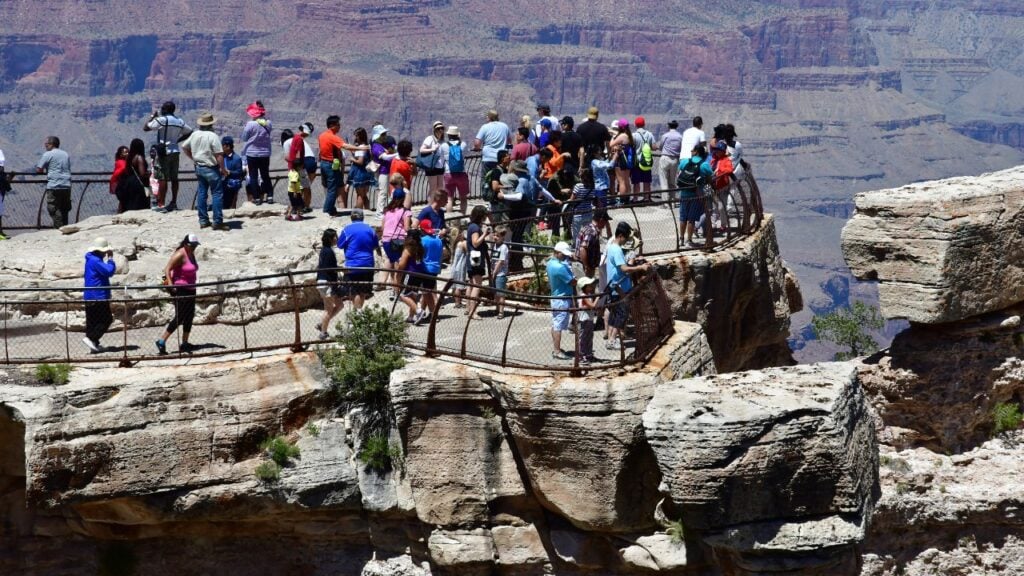
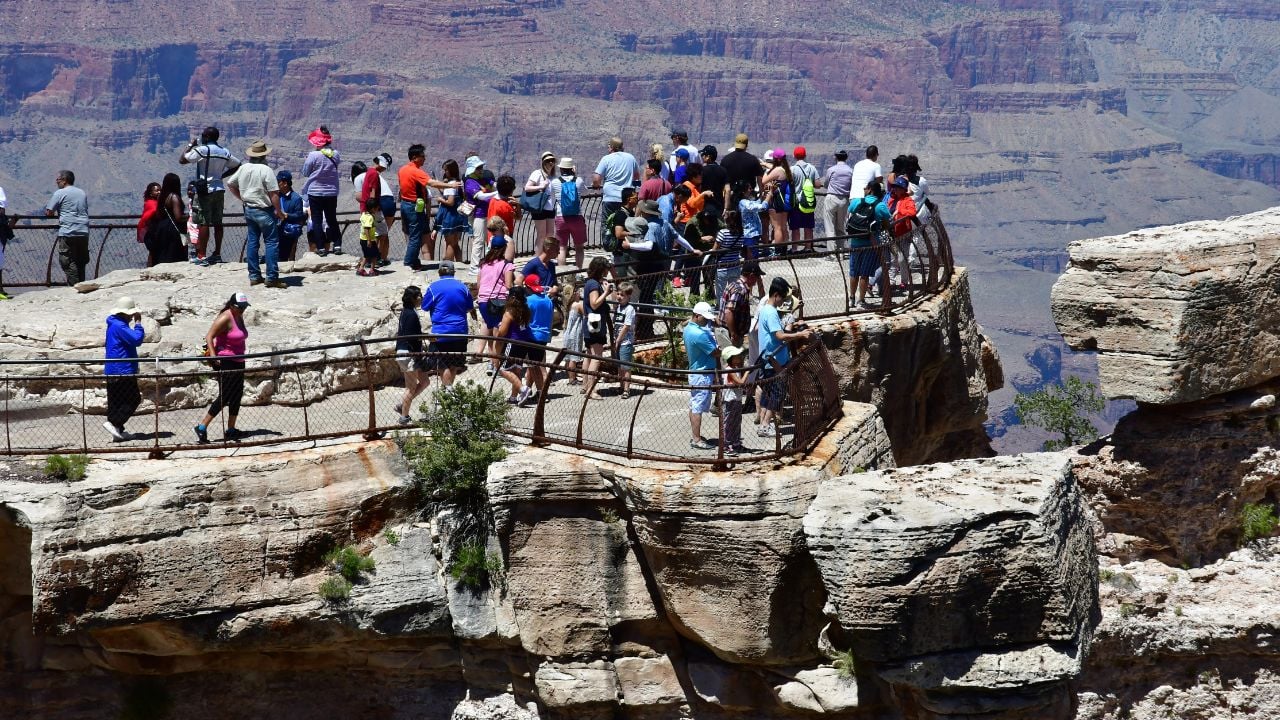
Today, it’s easier to get there. But that also means more people, more parking lots, and more selfie sticks.
For older Americans, it can feel less like a wild wonder and more like a busy attraction. The beauty is still there, but the quiet moments are harder to find.
Yellowstone Once Felt Remote, Now It Feels Like a Road Trip Pit Stop
Back in the 1950s, Yellowstone felt like the edge of the world. Families planned for weeks, packed lunches, and sometimes even camped out.
Seeing geysers and wildlife in person felt rare and exciting.
The park had fewer visitors, fewer cars, and fewer rules. People stood in awe at Old Faithful without fighting for a spot. Elk and bison wandered nearby, and it felt like nature was all around you.
Today, there are lines of cars, packed viewing areas, and gift shops around every bend.
Yellowstone is still impressive. But for older Americans, it feels less untouched than it used to.
Mount Rushmore Felt Majestic, Now It Feels Like a Rest Stop
In the 1950s, Mount Rushmore was a highlight of any summer road trip. Travelers arrived after miles of empty roads, and the first glimpse of the carved faces felt unforgettable.
Families stood quietly, looked up in awe, and took in the view without distractions.
There weren’t massive crowds or a packed itinerary. It was about the experience, not the extras.
Today, there’s a full complex with shops, signs, and structured paths.
It’s still an impressive sight, but some older visitors miss the quiet moment of discovery that used to come with it.
Route 66 Felt Full of Surprises, Now It Feels Like a Museum Piece
In the 1950s, Route 66 was more than a road. It was the path to adventure. Families drove through tiny towns, roadside diners, and quirky motels. You never knew what you’d find just around the bend.
Neon signs lit the way, and kids stared out the window hoping to spot something fun.
It wasn’t just about getting there; it was about the journey itself.
Now, much of Route 66 is a memory.
Some stretches still exist, but others have faded away or been bypassed by highways. You can still drive parts of it, but older Americans often feel like they’re chasing ghosts of a time that once was.
The Catskills Were Once a Retreat, Now They Feel Forgotten
In the 1950s, the Catskills in New York were a top vacation spot, especially for families from the East Coast.
Resorts offered entertainment, swimming, hiking, and big family dinners. It was relaxing but full of things to do.
People came back year after year. Some resorts even had talent shows and dance nights. Kids made friends, and adults got a real break from city life.
Today, many of those resorts are gone or abandoned.
A few places are being brought back, but the golden age has faded. Older Americans remember it as lively and warm.
Now, it feels more like a memory than a destination.
Hot Springs, Arkansas Felt Like a Healing Hideaway, Now It Feels Commercial
In the 1950s, people went to Hot Springs for rest and recovery. The town was known for its natural mineral waters, bathhouses, and peaceful pace.
It felt like a place where time slowed down.
Visitors spent their days soaking, walking through the hills, and enjoying quiet meals. It wasn’t flashy, but it felt special.
Today, the charm is still there, but it competes with chain restaurants and souvenir shops. The calm atmosphere is harder to find.
For older travelers, Hot Springs doesn’t always feel like the secret escape it used to be.
Santa Cruz Was a Simple Seaside Stop, Now It’s a Crowded Coastal Scene
In the 1950s, Santa Cruz was known for its boardwalk, beaches, and old-fashioned fun. Families rode the Giant Dipper, played arcade games, and ate ice cream on the pier.
It felt friendly, small, and easygoing.
The town wasn’t about luxury. It was about sunshine, waves, and spending the day outside. A few dollars could go a long way.
Today, Santa Cruz is still a beach town, but it’s busier and more expensive. Traffic clogs the roads, and parking is a challenge.
The boardwalk is still there, but the slow, simple feeling is harder to find.
Lake George Used To Feel Like a Family Secret, Now It Feels Like a Tourist Zone
In the 1950s, Lake George was a quiet retreat in upstate New York. Families came to swim, fish, and spend slow afternoons in rented cabins.
The lake was clear, the crowds were light, and the atmosphere felt personal.
Boating and barbecues were part of the routine. Kids caught frogs, adults read paperbacks, and the days felt long in the best way.
Today, Lake George is still popular, but it’s busier and more built up. Some older visitors say it feels more commercial than cozy.
The natural beauty is still there, but the simple charm is harder to spot.
Gatlinburg Was a Gateway to Nature, Now It’s Surrounded by Shops
Gatlinburg, Tennessee, used to be a quiet entrance to the Great Smoky Mountains. In the 1950s, families stopped here for a cabin stay or a hike through the woods.
It felt like the last stop before entering pure nature. You might find a general store, a small inn, and not much else.
The real attraction was the mountain air and the peaceful trails.
Now, Gatlinburg is packed with candy stores, mini golf, and busy sidewalks.
The mountains are still nearby, but the town feels more like an amusement park than a gateway to the outdoors.
The Ozarks Felt Like an Untouched Gem, Now They Feel Less Wild
In the 1950s, the Ozarks offered a rustic getaway.
Families camped, fished, and explored the hills and rivers without crowds or noise. It felt hidden, peaceful, and wild in all the best ways.
Cabins were simple, and people made their own fun. It was a place where kids could roam and parents could relax without worrying about schedules.
Today, development has changed parts of the region. Some areas still feel natural, but others are packed with resorts and attractions.
Older Americans often say it feels less like the backcountry and more like a weekend stop.
Think You Belong in a Different Decade?
From big bands to big hair, our playful Decade DNA Quiz reveals which classic American era fits your personality best. It’s fast, fun, and full of vintage flair.
Meet Your Match. Discover Your Decade DNA. (Your Vintage Roots Are Showing)

20 Classic American Motels That Look Like They’re Straight Out of the ‘60s

Whether you’re into neon lights, kidney-shaped pools, or tiki flair, these classic American motels will transport you straight back to the swinging ‘60s, no time machine required.
Best of all? They’re still operating today.
20 Classic American Motels That Look Like They’re Straight Out of the ‘60s
15 Once-Popular 1950s Baby Names Rarely Heard Today

Have you ever wondered what happened to some of the most popular baby names from the 1950s?
Travel down memory lane with us and reminisce about the classic names from the ’50s that you hardly hear anymore.
15 Once-Popular 1950s Baby Names Rarely Heard Today