
12 False Beliefs from the ’60s Virginians Know Are Wrong Today

Every generation has ideas that age poorly, and the 1960s were no exception. What felt modern, scientific, and forward-thinking back then sometimes turned out to be completely wrong (or at least wildly incomplete).
Boomers didn’t believe these things because they were careless. They believed them because that’s what the experts, ads, and cultural voices of the time were saying.
With decades of research behind us now, it’s easier for Virginians to separate what held up from what definitely did not.
Smoking Wasn’t Really That Dangerous
For a big part of the early and mid ‘60s, many people still believed cigarettes were more of a habit than a hazard.
Doctors appeared in cigarette ads. Brands sponsored TV shows. Ashtrays sat everywhere from airplanes to office desks.
The cultural message was closer to “relax and light up” than “this can kill you.”
Even after early warning reports began surfacing, public understanding lagged. It took years of research, public health campaigns, and warning labels before the risks became widely accepted.
Today, the idea of cigarette ads with medical endorsements sounds unbelievable.
Back then, it was prime time.
More Hairspray Was Always Better
Beauty advice in the ‘60s often followed one rule: If some is good, more is better.
Hairspray got used like shellac. Beehives, bouffants, and sculpted styles required serious chemical commitment.
The belief was that these products were harmless beauty helpers.
Now we know constant heavy exposure to certain aerosols and chemical products isn’t great for one’s lungs or the environment.
Modern styling products aim for hold and flexibility. 1960s spray aimed for structural integrity.
The Sun Was Healthy No Matter What
A deep tan was treated like a health badge.
People believed sun exposure was broadly beneficial and that sunscreen was optional at best. Tanning oils were popular, and the goal was often maximum bronze, minimum shade.
Skin cancer risk and long-term sun damage weren’t widely understood or emphasized the way they are now.
Today’s dermatologists would like a word with 1960s beach culture.
Seat Belts Were Optional and Sometimes Unnecessary
Back in the day, many drivers and passengers believed seat belts were restrictive, uncomfortable, or even more dangerous in a crash.
Cars didn’t always include them, and when they did, people often ignored them. The belief was that being “thrown clear” in an accident might be safer.
Crash research later proved the opposite in overwhelming detail.
Seat belts save lives. Full stop.
Now, cars beep, flash, and complain until you buckle up. In the ‘60s, the car said nothing, and people guessed.
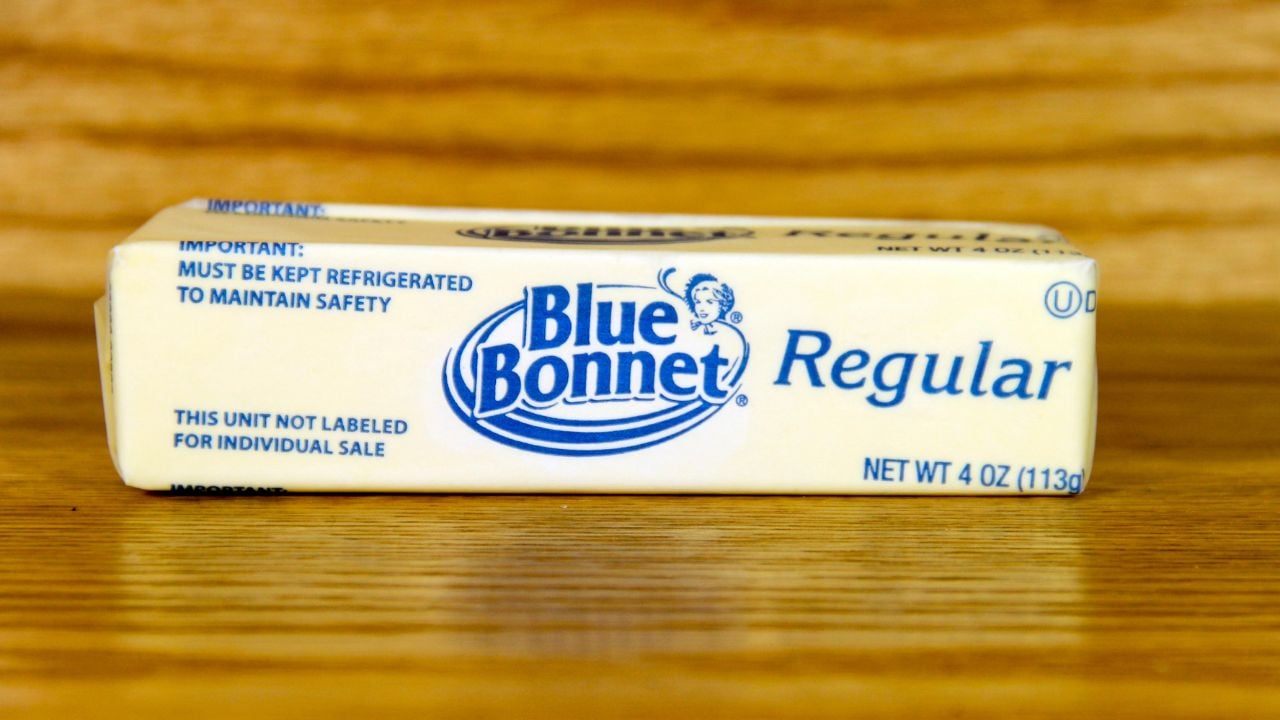
Butter Was Bad, and Margarine Was the Hero
Nutrition messaging in the ‘60s began shifting toward the idea that butter was the villain and margarine was the modern, heart-smart replacement.
Food marketing leaned into this hard. Margarine got positioned as scientific and progressive. Butter started getting side eye.
Later research showed the story was more complicated, especially regarding certain processed fats used in older margarine formulas.
Turns out food science doesn’t like simple heroes and villains.
Space Age Products Were Automatically Better
If you put the words “space age” on a product in the ‘60s, people assumed it was superior.
Space age fabrics. Space age materials. Space age design.
The Space Race created enormous trust in anything that sounded NASA adjacent.
Some of those products were innovative. Others were just plastic with good branding.
Not everything futuristic turned out to be fantastic, even if it looked like it belonged on The Jetsons.
You Only Needed One Career for Life
Many people believed a person would pick one career path and stay in it for life.
The model looked simple. Get trained, get hired, stay put, retire with a gold watch and a handshake.
Job switching was often viewed as instability instead of ambition.
Modern work life looks very different. Multiple careers, pivots, side businesses, and reinvention are now normal.
The gold watch got replaced by a LinkedIn update.
Kids Didn’t Need Much Supervision Outdoors
Boomer childhood often came with one main rule: Be home before dark.
The belief was that neighborhoods were broadly safe, strangers were rare threats, and kids developed independence by roaming freely all day.
Bikes, woods, vacant lots, and construction sites all counted as acceptable adventure zones.
While independence has real value, later decades brought more awareness around safety risks and supervision needs.
Today’s parenting style looks very different, and GPS tracking would’ve sounded like science fiction in 1965.
If It Was Sold in Stores, It Was Safe
Consumer trust in products ran high.
If something sat on a store shelf, many assumed it had been thoroughly tested and approved for long term safety.
Chemicals, household products, and even some building materials were used widely before full health impacts were understood.
Over time, regulations tightened and testing improved. Some once common materials later came with warning labels or outright bans.
Modern shoppers are more skeptical and label reading is practically a sport.
TV Was Always Trustworthy
Television carried enormous authority in the ‘60s.
News anchors sounded steady and definitive. Advertisements sounded factual.
If it aired between popular shows like The Andy Griffith Show and Gunsmoke, it felt credible.
Over time, media literacy grew and audiences learned to question, compare sources, and spot persuasion techniques.
The idea that anything on TV must be true no longer holds the same power.
Technology Would Quickly Solve Everything
There was a strong belief that rapid technological progress would eliminate most major problems within a generation.
Between the Space Race, medical advances, and computing breakthroughs, the future looked like it would arrive fast and fix everything from disease to traffic.
Technology did change the world, but not as instantly or evenly as expected.
Progress turned out to be real but complicated.
Case in point? Flying cars are still running late.
“New” Automatically Meant “Improved”
The ‘60s loved newness. New formulas, new designs, new materials, new methods.
New often got treated as automatically better than old.
Traditional methods and products sometimes got tossed aside too quickly in favor of modern replacements.
With hindsight, some of the old ways turned out to have real value. Quality and durability don’t always upgrade on schedule.
Vintage stores and vinyl records are enjoying a well-deserved revenge tour.
Confidence Was High, Information Was Limited
Many false beliefs from the ‘60s came from a simple mix of high confidence plus limited data.
People trusted institutions, advertising, and early research because that’s what they had. As science improved and long-term studies finished, many ideas evolved or were replaced.
It doesn’t make the generation foolish. It makes it human.
Every era has beliefs that later get corrected. The ‘60s just happened to have great music playing in the background while it learned the hard way.
10 Most Missed 1950s Fashion Trends by America’s Older Generation

When it comes to fashion, some things never really go out of style; they just wait patiently for their big comeback.
And if you ask a lot of older Americans, they’ll tell you the 1950s had some of the coolest clothes ever.
The 10 Most Missed 1950s Fashion Trends by America’s Older Generation
11 Ways Kids Passed the Time After School in the 1950s

In the ’50s, there were no smartphones to scroll through, no streaming shows waiting to autoplay, and no video games with headsets and online battles.
Kids got a lot more creative when passing the time after school… after doing their homework, of course.
