
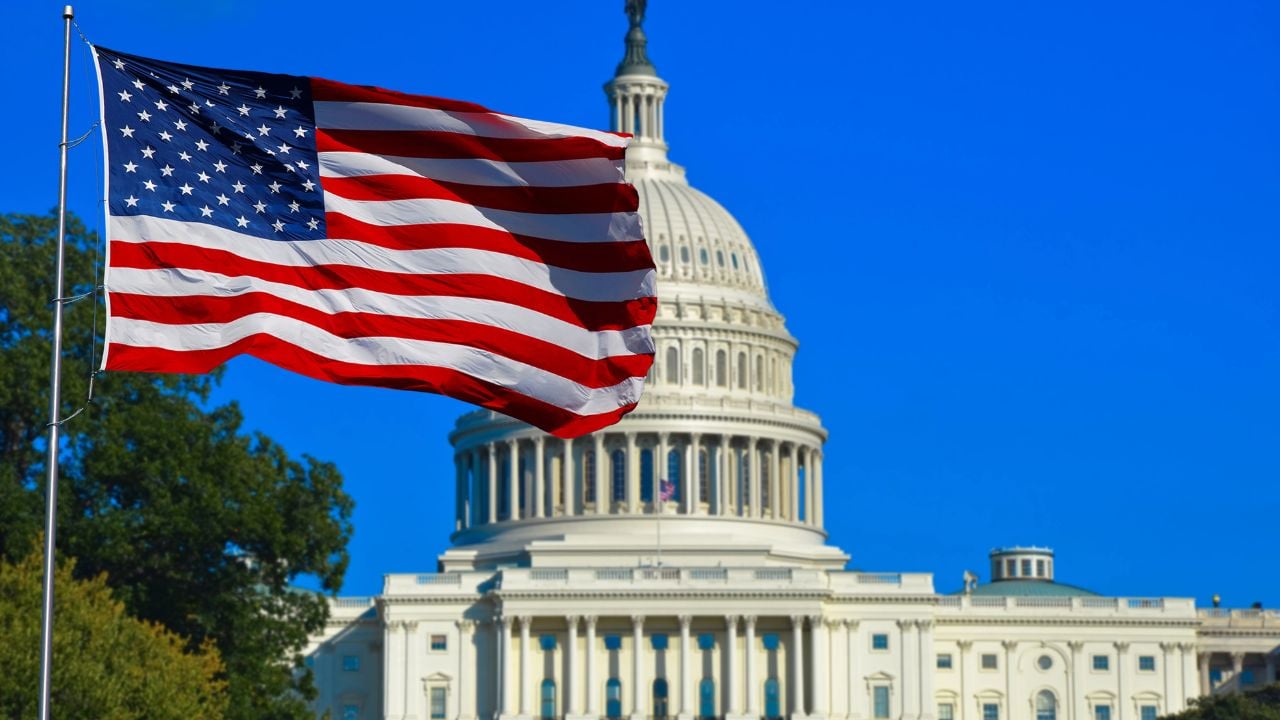
12 Frustrating Rules in the U.S. Senate That Haven’t Changed Since the 1800s. How Many Can You Name, Californians?

The U.S. Senate is the only workplace in America where you’ll find a snuff box from 1849, a spittoon under your desk, and a rule that says you have to call your colleague “the senior senator from Wyoming” instead of just “Mike.”
Most workplaces update their rulebooks every few decades. But the Senate?
It still runs on procedures written when men wore knee breeches and the fastest way to send a message was a horse.
Here are 12 Senate rules and traditions that haven’t changed since the 1800s.
They Don’t Have to Stay on Topic, Ever
There’s no rule in the Senate that says a speech has to relate to whatever bill the chamber is debating. None.
A senator could be debating a transportation bill and decide to read a cookbook out loud.
A senator could be discussing foreign policy and pivot to her favorite breeds of dog.
This isn’t hypothetical. Senators have read from the phone book, recited Dr. Seuss, and explained the rules of poker, all during official Senate debate.
The lack of a germaneness rule is a holdover from the original 1789 standing rules, and it survived every revision in the 1800s.
The House makes its members stay on topic. The Senate, in its infinite patience, doesn’t.
It’s a rule that turns the chamber into a stage where anyone with the floor can talk about anything, and the cameras have to keep rolling.
They Can Talk for 24 Hours
The filibuster is the Senate’s most famous oddity, and it’s been around since the chamber realized in the 1800s that no rule limited how long a senator could talk.
Strom Thurmond once spoke for 24 hours and 18 minutes against the Civil Rights Act of 1957.
Cory Booker recently broke that record at 25 hours and 5 minutes.
Robert La Follette of Wisconsin once filibustered for 18 hours straight in 1908 after drinking spoiled eggnog, which sounds like a fever dream but actually happened.
The right to unlimited debate dates to the Senate’s earliest days.
The first attempt to discuss limiting speech came in 1841, when Henry Clay threatened to change the rules and an Alabama senator told him he might as well book a hotel for the entire winter.
Cloture, the procedure that ends a filibuster, didn’t exist until 1917.
Today, senators can still talk forever. They’ve just gotten lazy and use the threat of a filibuster instead of the actual sweaty, throat-wrecking event.
They Can’t Call Their Colleague by Their Name
If you’ve ever watched C-SPAN and wondered why senators sound like they’re describing strangers, that’s because the rules require it.
Under procedures dating to 1789, no senator can address another senator directly.
Every reference has to be in the third person, usually as “the senior senator from Texas” or “my distinguished colleague from Iowa.”
It doesn’t matter if they’re best friends in real life.
On the Senate floor, they pretend they barely know each other.
The rule keeps tempers cool. The idea was that if you can’t say “Joe, you’re wrong,” and instead have to say “the distinguished senator from West Virginia is mistaken,” you’re less likely to throw a punch.
It works… mostly.
There was a famous fistfight in 1902 between two South Carolina senators that led to even stricter decorum rules. So, the third-person thing isn’t foolproof.
They Have to Address the Vice President, Not Their Friends
Every speech a senator gives goes to “Mr. President” or “Madam President,” meaning the presiding officer of the Senate.
That’s usually the vice president or, more often, the president pro tempore.
Senators can’t just stand up and start talking. They have to wait for the chair to recognize them, and they have to direct all their remarks toward that chair.
The presiding officer must recognize the first senator who stands up to speak, but the majority and minority leaders get priority by tradition.
This whole arrangement comes from the 1789 standing rules, which were heavily lifted from the British Parliament.
The reasoning was simple: If everyone has to talk to the chair, no one can pick a fight with anyone else.
The presiding officer often has no real power over the debate. They just sit there while senators address them and ignore them.
The Snuff Boxes Still Get Filled
In 1849, Vice President Millard Fillmore got so annoyed by senators interrupting speeches to grab a pinch of snuff from the chamber’s single snuff urn that he ordered two boxes installed, one on each side of the presiding officer’s desk.
They’re still there.
To this day, Senate pages technically have responsibility for keeping the boxes stocked.
The last senator known to actually use the snuff was Lee Slater Overman of North Carolina, who left office in 1930.
The Senate eventually pulled the tobacco out and put the boxes in protective cases, but the tradition of having them there hasn’t changed.
These boxes are mahogany. They sit in plain sight. They have outlasted the entire 20th century, two world wars, the invention of nicotine gum, and every public health campaign since the surgeon general started warning anyone about anything.
If you visit the Senate gallery and squint, you can see them.
There Are Still Spittoons on the Floor
Two of them. Brass. Sitting on the Senate floor.
In the 1800s, every senator’s desk came with its own spittoon for tobacco juice.
Charles Dickens visited the Capitol in 1842 and warned readers not to look at the floor and definitely not to pick anything up off it.
The carpet situation was, as he put it, indescribable.
Today, only two spittoons remain in the chamber, and they haven’t seen tobacco juice since Senator Herman Talmadge of Georgia left in 1981.
But they’re still there.
The sergeant at arms says a senator could spit in one any day. The rules don’t prohibit chewing tobacco on the floor, as long as no one disturbs a speech.
So if a senator wanted to dip Skoal during a debate on infrastructure spending, they could, brass receptacle and all.
They Can’t Eat at Their Desk
Senators can’t bring food into the chamber. They can’t bring coffee, tea, soda, or juice.
The only beverages allowed are water and milk.
The milk exception goes back to a Senate ruling from 1966, but the no-food rule itself is a 19th-century holdover that was already on the books when the candy desk had to live in a drawer in the 1960s.
Senator George Murphy had to keep his stash a secret because eating wasn’t allowed on the floor.
The candy desk only became a tradition because senators kept walking past Murphy’s hideout drawer.
Senate pages serve water in glass tumblers from a tray.
If a senator wants milk, they have to ask for it by name, usually during a long filibuster.
So, a senator can talk for 25 hours but can’t under any circumstances bring a granola bar.
Must Be Read a 7,000-Word George Washington Speech Every Year
On February 22, 1862, in the middle of the Civil War, Senator Andrew Johnson asked that George Washington’s Farewell Address be read aloud in the Senate chamber to boost morale.
It worked, and they’ve done it every year since.
A senator, chosen by the majority party in alternating years, stands at Daniel Webster’s desk and reads Washington’s entire farewell address out loud.
The speech is roughly 7,000 words. It takes about 45 minutes.
It contains warnings about political parties, foreign entanglements, and national debt that the country has ignored for 230 years running.
After the reading, the senator signs a book. Every reader since 1862 has signed the same book.
Nobody questions whether they should still do it. They just do it.
A Special Desk Belongs to the Senior Senator From New Hampshire
The Daniel Webster Desk is one of 48 desks the Senate ordered in 1819 after the British burned the original ones during the War of 1812.
Webster used it during his time representing Massachusetts, but here’s the catch: He was born in New Hampshire.
When the other senators upgraded their desks between 1820 and 1840 to add a writing box and extra storage, Webster refused.
He said if his predecessor could work with the original space, so could he.
Every senator who has sat at that desk since has refused the upgrade too. The desk currently sits on blocks to match the height of the modified ones.
The practice of giving the desk to New Hampshire’s senior senator started informally in the 1800s, though the Senate didn’t make it official until 1974.
Every occupant since then has carved their last name into the bottom of the drawer. Senator Jeanne Shaheen, who currently holds the desk, was the first woman to do so.
Similar desks belong to Kentucky (Henry Clay) and Mississippi (Jefferson Davis), but the Webster desk is the most famous of the three.
When a Senator Dies, the Desk Gets Draped in Black
If a senator dies while in office, the Senate observes a mourning ritual that has run since the 19th century. The chamber typically adjourns for a day.
Flags fly at half-staff. A black cloth covers the deceased senator’s desk, and a vase of white roses sits on top.
A delegation of senators usually travels to the home state for the funeral.
Members can wear black armbands for 30 days.
In the 1800s, when senators died in office far more frequently, the chamber sometimes hosted the funeral itself, complete with a floral display covering the empty desk and black crepe over the chair.
The Senate has done this for senators across the political spectrum. When Daniel Inouye of Hawaii died in 2012, his desk got the black drape and white roses.
Same for Ted Kennedy. Same for John McCain.
A New Senator Has to Be Walked Down the Aisle
Newly elected senators can’t just show up and start working.
They have to take the oath of office in an open session, and another senator has to physically walk them down the aisle to the presiding officer’s desk.
Customarily, the other senator from the new senator’s home state does the escorting.
So if Florida elects a new senator, the existing Florida senator walks them down the aisle.
Sometimes the new senator picks someone from another state as a sign of friendship or political alliance, but the escort is non-negotiable.
This practice goes back to the 1800s and was a way to formally welcome the new member into the Senate family. It’s part introduction, part procession, part ancient ritual that nobody really questions anymore.
There’s also a no-photography rule in the Senate chamber, so the actual moment of the oath can’t go on camera.
For decades, vice presidents got around this by inviting newly sworn senators to their Capitol office for a reenactment with home-state photographers.
The Sergeant at Arms Can Force Them to Show Up
The Senate needs a quorum, meaning a majority of members, to do business. If senators don’t show up, the rules from 1798 give the sergeant at arms the authority to force their attendance.
This rule got added because absenteeism in the early Senate was so bad that they couldn’t get anything done.
The sergeant at arms can round up missing senators and physically bring them to the chamber. The Senate has used this rule as recently as the 21st century, sometimes in dramatic fashion.
In 1988, Senate Majority Leader Robert Byrd ordered the sergeant at arms to track down Republican senators who were boycotting a vote on campaign finance reform.
The sergeant at arms found Senator Bob Packwood in his office, and Packwood refused to come back voluntarily. Capitol officers carried him into the chamber feet-first, which is somehow not a metaphor.
The rule still exists.
The sergeant at arms still has the authority. And every senator knows that if they skip enough votes, someone with a badge can show up at their door.
Where the Old Rules Meet the New Senate
The Senate has changed in a lot of ways.
There’s TV coverage now. Pages still serve water but they don’t have to chase down quills and candles anymore. Women senators can wear pants. Babies under one year old can come on the floor.
But the bones of the place are still 19th-century bones.
Senators still address the chair, still avoid using each other’s names, still get escorted to their oath, and still operate under a rulebook full of customs that would make perfect sense to Henry Clay.
That’s not a bad thing, depending on how you look at it. Some of these rules have kept the chamber functioning even when the country wasn’t.
Some have survived because no one has bothered to change them.
Either way, the next time you see a senator on TV calling someone “my distinguished colleague,” remember that you’re watching a script written when the average American life expectancy was 38.
The snuff boxes are still there. Someone still has to fill them.
13 Things That Happen Inside Air Force One That Nobody Sees
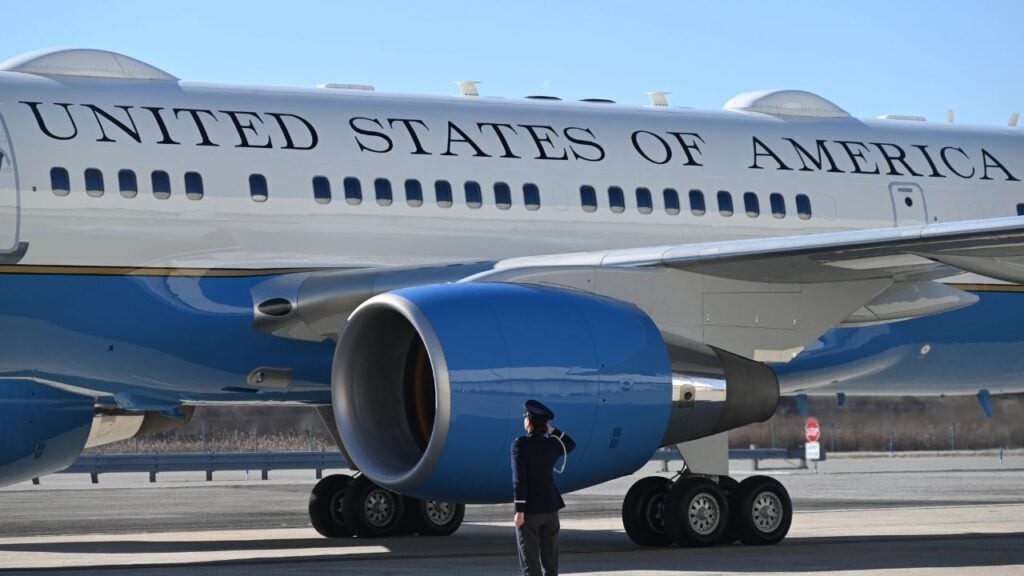
Hollywood has done a number on the public’s idea of what Air Force One is like.
Here’s what really happens on board.
13 Things That Happen Inside Air Force One That Nobody Sees
12 Things Secret Service Agents Do That Aren’t What You Think

The real job of a Secret Service agent is way more complicated than the movies let on, and a lot of what agents actually do has nothing to do with jumping in front of bullets.
12 Things Secret Service Agents Do That Aren’t What You Think
