

12 Must-Visit State Parks for Nature Enthusiasts

National parks get a lot of attention, and for good reason – they’re some of the most beautiful places in the world. But this popularity can sometimes overshadow our country’s hidden gems: its state parks.
More than 10,000 state parks exist across the U.S., covering all 50 states. It’s an absolute overabundance of majesty and splendor, so it can be difficult to know where to start. With that in mind, I’ve compiled a list of 12 of the best of the best, offering a variety of varied experiences spread across the states.
Don’t be upset if your favorite state park didn’t make the cut; these are simply meant to be a starting point on your state park journey. Don’t be afraid to try something new and visit any state parks near – or far from – your home. But if you’re looking for a good overview of where to begin, keep reading!
1. Tahquamenon Falls State Park, Michigan
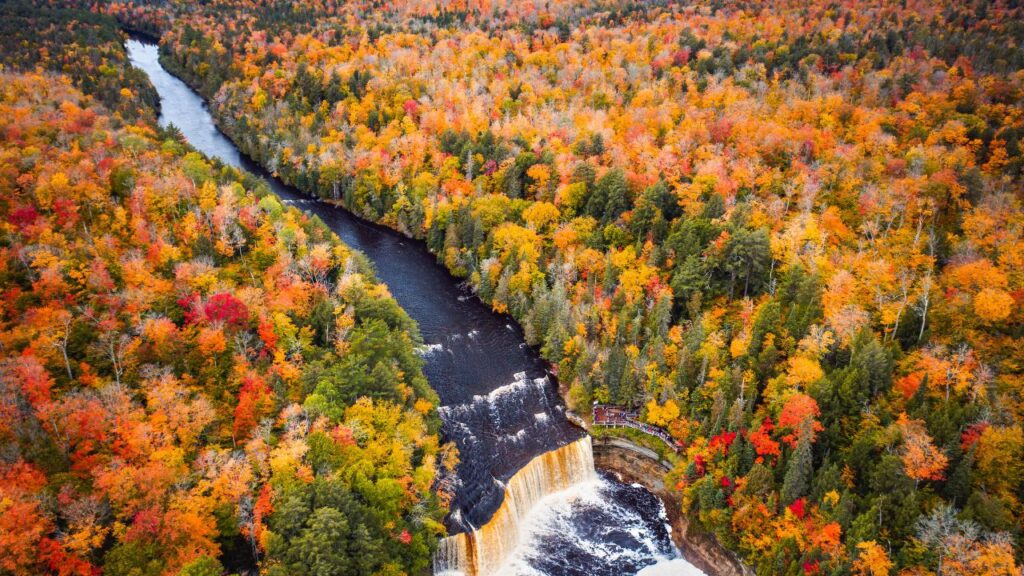
Apologies for showing my bias here, but I saved the best for first. Tahquamenon Falls State Park, in Michigan’s Upper Peninsula, is one of my favorite places in the world. The Tahquamenon River’s Upper Falls is one of the largest waterfalls east of the Mississippi River, measuring more than 200 feet across with a drop of nearly 50 feet.
The nearly 50,000-acre park offers more than just scenic views of waterfalls; it also has ample space for hiking, camping, and boating. Keep an eye out for wildlife, including bears, moose, porcupines, deer, otters, bald eagles, and more.
2. Castle Rocks State Park, Idaho
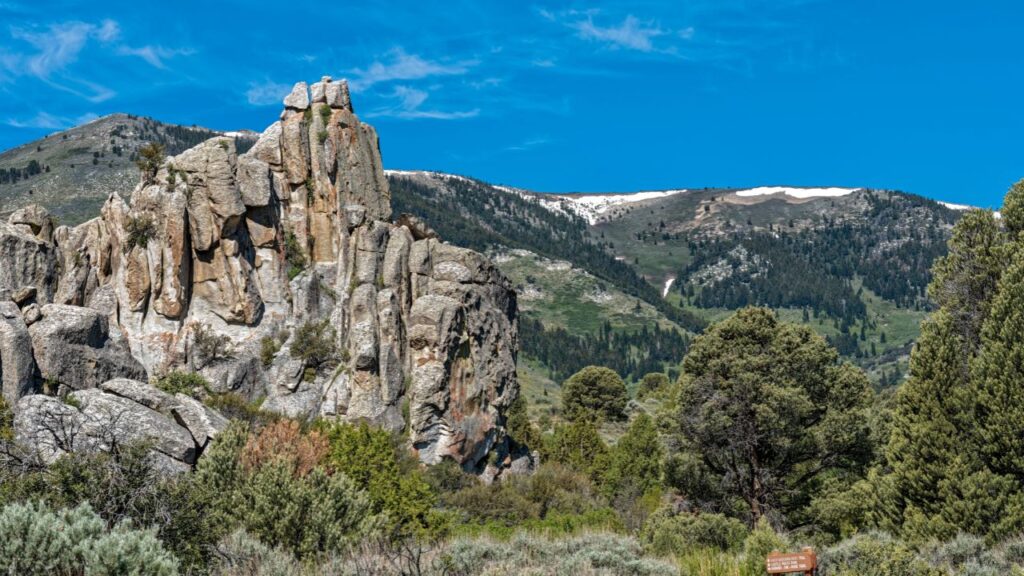
If it’s a four-season experience you’re looking for, you can’t ask for much better than Idaho’s Castle Rocks State Park. Climbing, camping, mountain biking, fishing, horseback riding, snowshoeing, and cross-country skiing are only a small sampling of the activities available to you.
The park offers not only natural beauty, but also a journey through history. You can take in Native American pictographs, historic trail crossings, and the remnants of early 20th-century ranching operations during your visit.
3. Itasca State Park, Minnesota
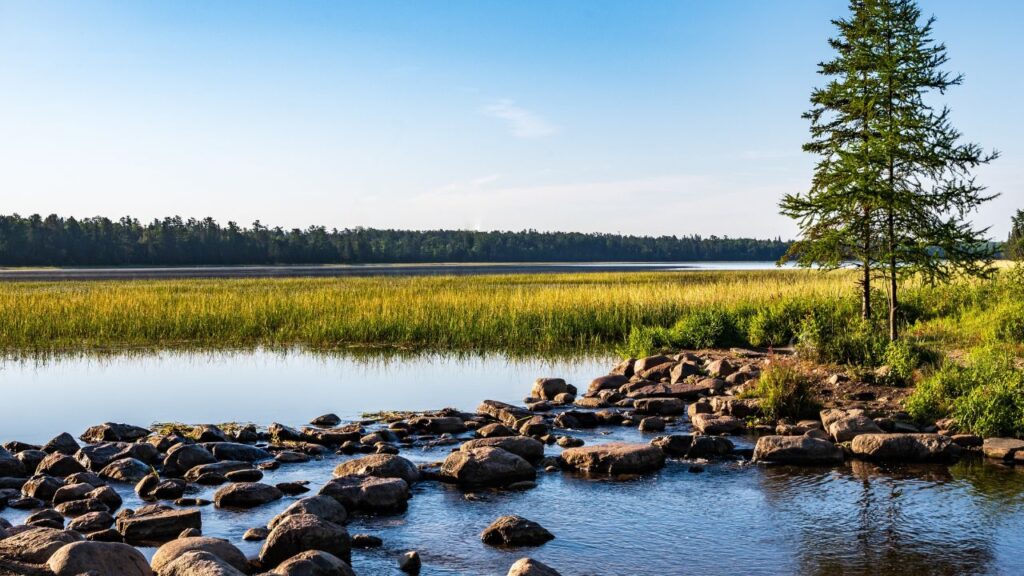
Ever heard of the Mississippi River? Yeah, I thought so. Minnesota’s Itasca State Park is where it begins, 1,475 feet above sea level and 2,552 miles from the Gulf of Mexico. You can learn all about the natural and cultural history of this special place at the Mary Gibbs Mississippi Headwaters Center, located just a short walk from the river headwaters.
Itasca State Park boasts multiple campsites, trails for hiking and biking, as well as winter trails for cross-country skiing and snowboarding.
4. Chugach State Park, Alaska
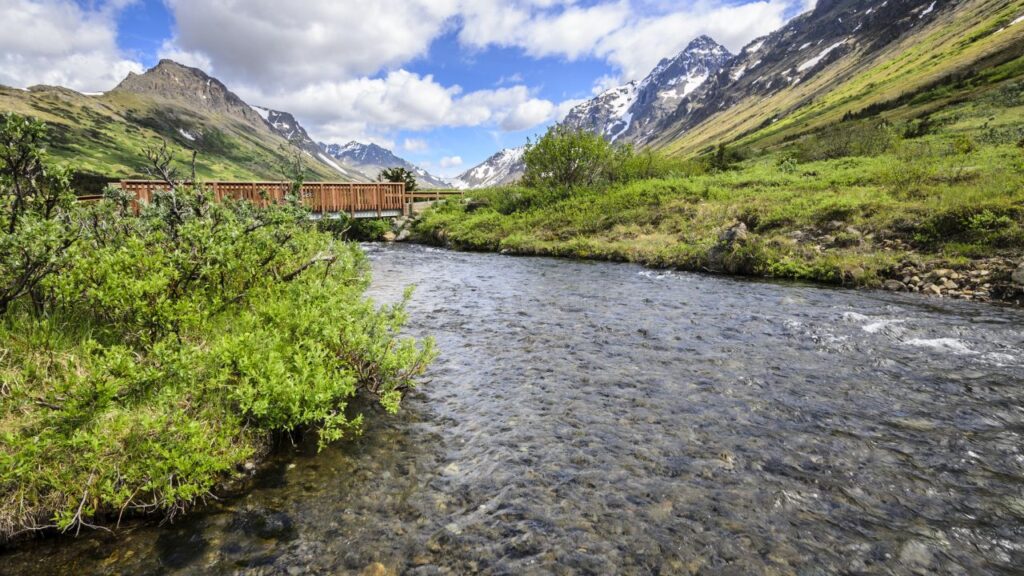
If you’ve never taken in the natural beauty of Alaska, you’ll have to trust me when I say that you’ve never seen anything quite like it – and there’s no better place to experience it for yourself than Chugach State Park.
The park offers 280 miles of gorgeous trails for hiking and biking, with another 110 miles opening up in the winter for cross-country skiing and snowmobiling. If you prefer the water to land, there are 28 miles of the Eagle River Valley available for paddling and a boater’s paradise in the 8-mile-long Eklutna Lake.
5. Franklin Mountains State Park, Texas
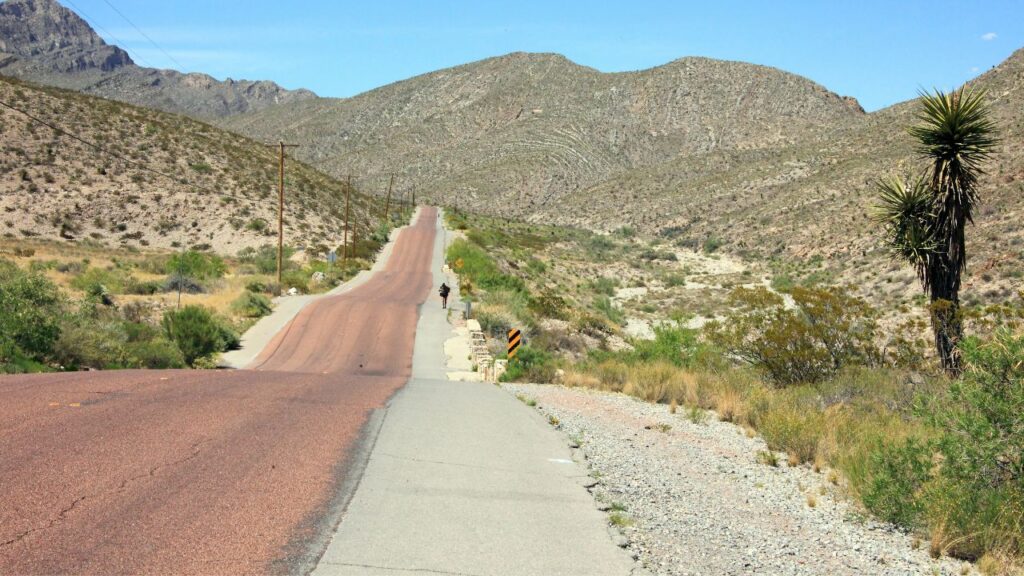
Heading from the largest state in the north to the largest in the south, Franklin Mountains State Park, located just 15 minutes south of El Paso, is the westernmost point of the Lone Star State.
This 27,000-acre park offers camping, hiking, biking, and rock climbing opportunities, in addition to nearly countless sites for a perfect mountain picnic. The Franklin Mountains are especially beloved by birders, being home (at various times of year) to species including pigeons, geese, doves, roadrunners, cranes, hawks, woodpeckers, and several varieties of hummingbirds.
6. Valley of Fire State Park, Nevada
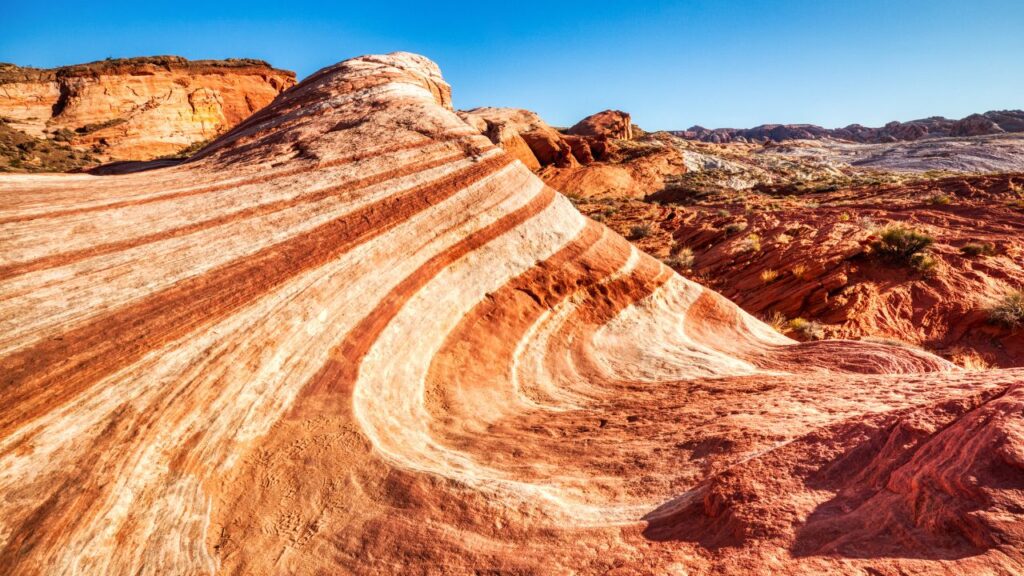
If the totally rad name isn’t enough to draw your attention, maybe the 40,000 acres of gorgeous, bright red Aztec sandstone outcrops can entice you to visit Valley of Fire State Park.
Aside from camping and hiking areas (of which there are plenty), the park’s unique features include petrified trees and rock carvings dating back more than 2,000 years.
7. Calaveras Big Trees State Park, California
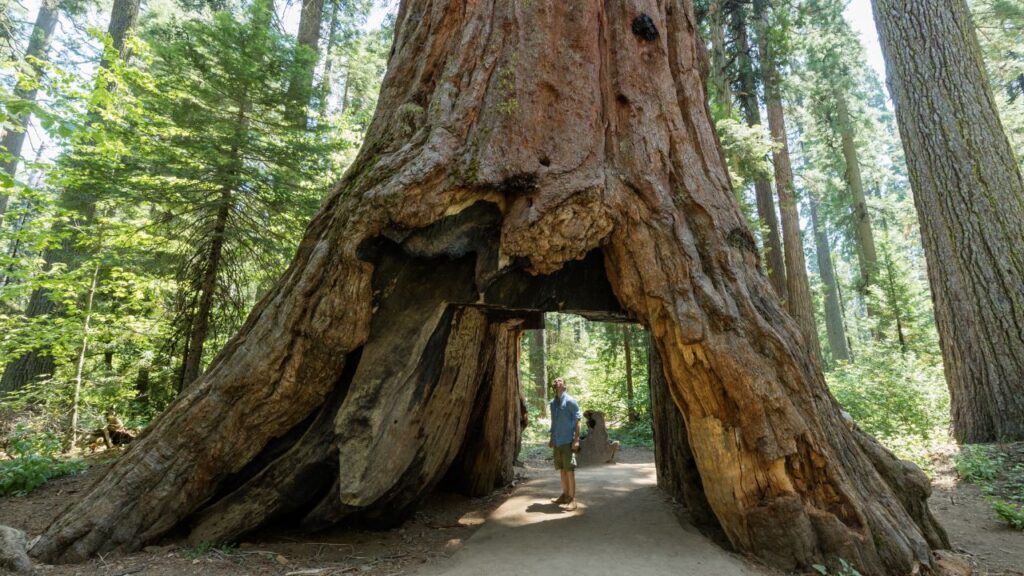
The star attractions at California’s Calaveras Big Trees State Park are right in its name: the big trees. Calaveras is home to two groves of giant sequoias – the North Grove and South Grove – as part of its mixed conifer forest.
The park’s natural splendor doesn’t end with trees. Visitors can also take in the beauty of the Stanislaus River, Beaver Creek, ancient volcanic formations, and natural meadows.
8. Adirondack Park, New York

Adirondack Park, located in the far north of New York, is the largest publicly protected area in the contiguous United States, dwarfing even national parks like Yellowstone and the Everglades.
About half of the park’s six million acres are public land designated “forever wild,” creating a natural landscape rife with wildlife and vegetation. The park features both state-run and privately-owned campgrounds, as well as 3,000 lakes and ponds, 2,000 scenic trails, and 30,000 miles of rivers and streams.
9. Custer State Park, South Dakota

Granite peaks? Check. Rolling plains? Check. Clear mountain waters? Open ranges? Check and check. Custer State Park has all of that and more!
Whether you’re looking to camp, hike, bike, swim, fish, paddleboard, or do just about anything else you can imagine in the great outdoors, this South Dakota park has you covered. Get back to nature and catch up on your birding in this 71,000-acre wildlife preserve.
10. Baxter State Park, Maine
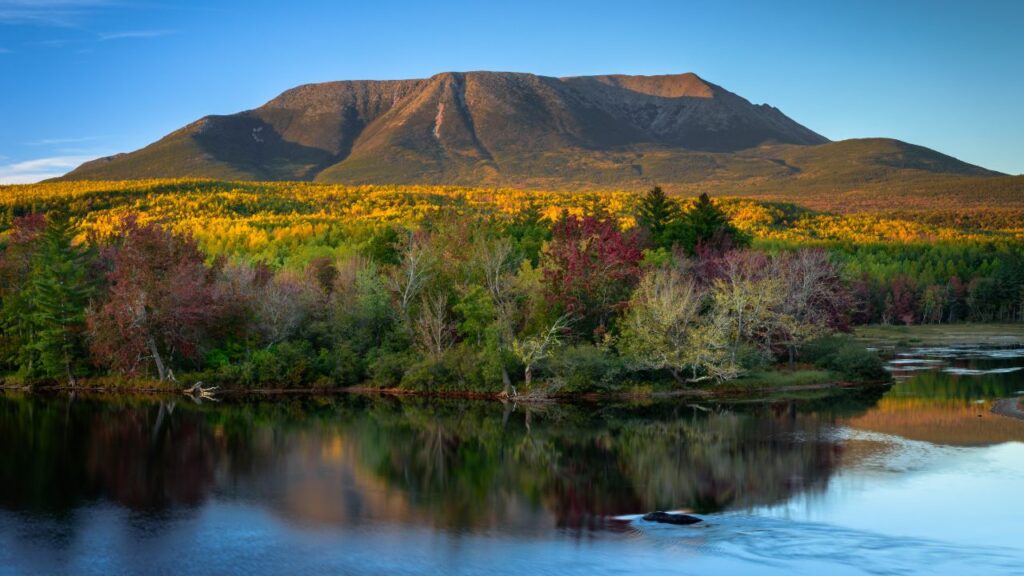
The centerpiece of Maine’s Baxter State Park is Mount Katahdin, the highest peak in the Pine Tree State at 5,269 feet. Hike the Appalachian Trail in a place where “wilderness comes first,” and respect for nature is paramount.
This beautiful park offers both summer and winter camping experiences, where all sites include natural water sources with no spigots, so treatment is an absolute must. Baxter State Park is the perfect place for true nature lovers to find true peace in the wilderness.
11. Assateague State Park, Maryland
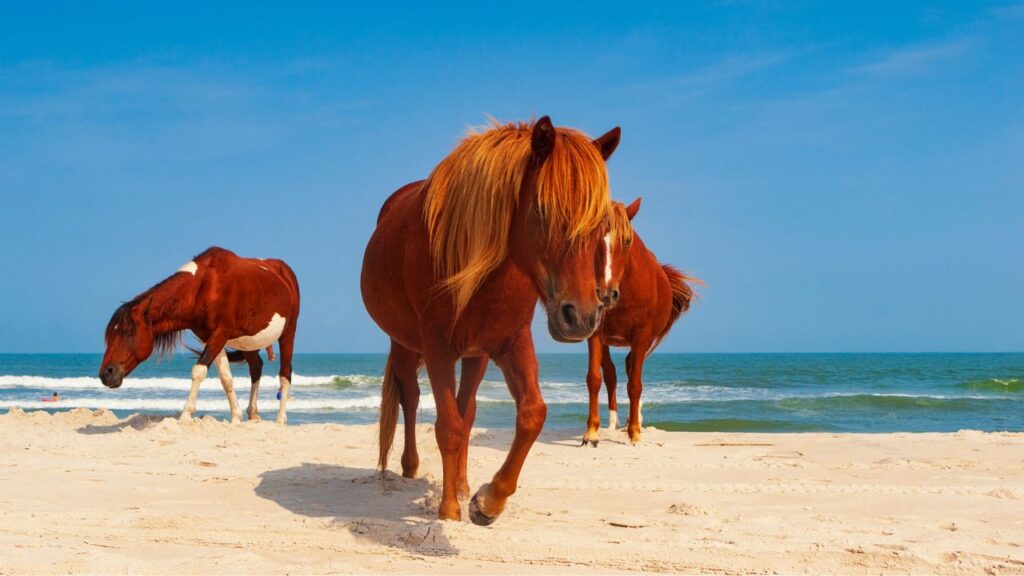
Assateague State Park, located on Maryland’s Assateague Island, is the state’s only oceanfront park, with two miles of coastline for swimming, fishing, beachcombing, and surfing.
The real draw of Assateague, however, is its population of wild horses, which you can watch roaming freely throughout the island. Visitors should be sure to follow all of the rules regarding the feral equines, including keeping a safe 40-foot distance at all times and storing food in a secure place.
12. Ecola State Park, Oregon

Stretching along nine miles of coastline, Oregon’s Ecola State Park is an ocean-lover’s paradise, with ample opportunities for hiking, picnicking, tidepooling, surfing, and wildlife viewing.
Sightseers shouldn’t miss the Sitka spruce forest, secluded coves, and long-abandoned lighthouse. The park’s native inhabitants include deer, elk, eagles, and even migrating gray whales.
15 “Polite” Things Passengers Do That Flight Attendants Secretly Hate

Flight attendants love polite and considerate passengers, but sometimes good intentions turn into less-than-ideal behaviors. If you want to be seen as an all-star passenger, make sure you avoid these in-flight habits.
15 “Polite” Things Passengers Do That Flight Attendants Secretly Hate
10 Overweight Countries That Make Americans Look Thin

The United States technically isn’t home to the highest percentage of overweight citizens. Can you name the countries that have the most overweight residents in the world?
