
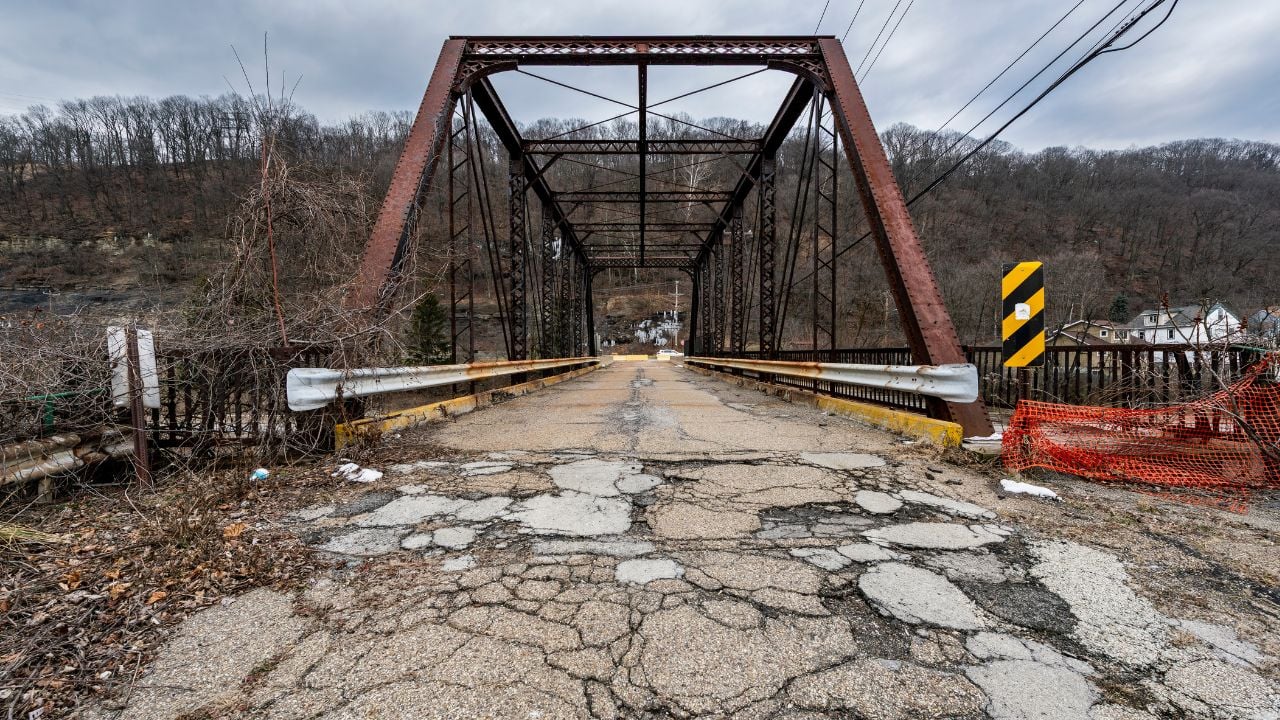
12 Pennsylvania Problems Pennsylvanians Pretend Don’t Exist

If you’re driving to Thanksgiving dinner on a dark Pennsylvania back road, you’re likely keeping an eye out for deer.
But other problems are easier to ignore, even when they’re right under your feet.
Here are the Pennsylvania problems locals try to pretend don’t exist.
Note: This is general information, not medical, tax, or legal advice. Health guidance, tax figures, and quarantine rules are subject to change.
1. Radon in Your Home
Radon is a naturally occurring gas, and the state Department of Environmental Protection calls Pennsylvania particularly prone to elevated levels of it.
A known human carcinogen, radon is the second leading cause of lung cancer, and it can enter a home from the ground through cracks in the foundation.
About 40% of homes tested in Pennsylvania come in above the action guideline of 4 picocuries per liter, the department says.
Many homeowners skip the test.
You can buy a home test kit at a hardware store for about $20 to $30.
2. Roads in Poor Shape
An April 2026 report from the transportation group TRIP rates 51% of Pennsylvania’s major roads as poor or mediocre.
The group estimates the rough pavement costs drivers about $7 billion a year, or $770 per driver.
TRIP says that covers additional repairs, accelerated vehicle depreciation, and increased fuel consumption and tire wear.
3. School Property Taxes
The median school property tax on a homestead property is $2,700 for 2025-26 after the homestead exclusion, according to the state’s Independent Fiscal Office.
The county medians run from $432 in Cameron County to $5,386 in Chester County.
Montgomery County at $5,009 and Delaware County at $4,952 are close behind Chester.
The report notes that property tax varies substantially for homeowners within a county.
School property taxes are part of the 51.7% of Pennsylvania’s public school funding that came from local sources in the 2023-24 school year, according to USAFacts.
The state paid 37%.
Schools received $42.3 billion in all, about $25,000 per student, and the federal share was 11.2%.
4. Animal Collisions
State Farm’s data for July 2025 through June 2026 puts the odds of hitting an animal in Pennsylvania at 1 in 64.
Pennsylvania ranks fourth.
Only West Virginia, Montana, and Wisconsin have worse odds.
The national odds are 1 in 145, so your chances on Pennsylvania roads are more than double the national figure.
State Farm estimates insurers across the industry saw about 141,000 animal claims in Pennsylvania, the most of any state.
Collisions happen more often in the fall, State Farm says, when deer are more active.
5. 135-Day Budget Delay
Pennsylvania’s budget for 2025-26 was due June 30, and Gov. Josh Shapiro didn’t sign it until Nov. 12, 2025, which made it 135 days late.
Lawmakers stayed deadlocked for nearly five months before the $50.1 billion spending plan passed with bipartisan support.
6. Spotted Lanternflies
Spotted lanternflies first turned up in Berks County in 2014, and they’re now in 56 Pennsylvania counties, all under a state quarantine.
The quarantine covers vehicles, plants, wood and stone products, and outdoor household items.
Your car counts.
The Pennsylvania Department of Agriculture’s order bans moving live spotted lanternflies, and the department says all residents and businesses must comply.
Penn State Extension asks residents to check vehicles, trailers, and other equipment thoroughly, including the wipers, grills, roof racks, and wheel wells.
The department can fine anyone who willfully violates the order.
Psst! How much do you know about Pennsylvania’s landmarks and history? Take our quiz and see how many you can get right.
Quiz
Keystone State IQ
Answer nine questions on Pennsylvania’s landmarks, forts, and counties. We bet you can’t get them all right. Prove us wrong?
A bell ordered from a London foundry for Pennsylvania’s State House cracked on its first test ring. Where was the replacement bell cast?
7. Underfunded Water Systems
Pennsylvania's drinking water systems earned a D in the American Society of Civil Engineers' 2022 report card.
The society projects a $10.2 billion funding gap for public water systems over the next 10 years.
Most of the state's public drinking water systems are struggling to fund projects, according to the report.
Its concerns include substantial amounts of lead service lines and per- and polyfluoroalkyl substances (PFAS), which it calls a growing public health threat.
8. Turnpike Tolls
Pennsylvania Turnpike tolls rose 4% on Sunday, Jan. 4, 2026, which put the most common passenger toll at $1.94 with E-ZPass and $3.88 with Toll By Plate.
Before a 2007 state law known as Act 44, the Turnpike raised tolls only five times in 64 years.
The Turnpike Commission has kept to its Act 44 increase schedule since, and it calls for 3.5% in 2027 and 3% by 2028.
9. Lyme Disease
The Centers for Disease Control and Prevention (CDC) lists Pennsylvania among the areas where Lyme disease is common.
Nationwide, more than 80,000 cases are reported to the agency each year.
An estimate based on insurance claims puts the number of people treated nationwide at 476,000 a year, though CDC says that may be an overestimate.
In 2022, Pennsylvania ranked ninth in the country for Lyme disease cases reported by population, according to the state Department of Health.
10. Bridges in Poor Condition
Pennsylvania has 23,314 bridges, and 2,813 of them are rated poor, or about one in eight, in the Federal Highway Administration's 2025 National Bridge Inventory.
Another 12,482 of Pennsylvania's bridges are rated fair, and 8,019 are rated good.
The national share is about 6.7%.
11. Aging Sewer Systems
The American Society of Civil Engineers gave Pennsylvania's sewer systems a D- in its 2022 report card.
Most of the state's sewer systems are approaching 75 years old, and many pipes are more than 100.
About 26% of the state relies on on-lot systems, which treat a home's wastewater on the property, and nearly a quarter of those on-lot systems fail.
Two-thirds of the state's sewage facility plans are more than 20 years old.
The report puts the sewer funding gap at $8.4 billion over 10 years.
Available funding over that time is estimated at $900 million.
12. 2,555 Municipalities
Pennsylvania has 2,555 municipalities, according to the Department of Community and Economic Development's local government fact sheet from March 2026.
That includes 953 boroughs and more than 1,400 second-class townships.
The state also has 500 school districts.
The same sheet lists 1,311 municipalities as State Police Only, more than half, while 870 are Traditional, 150 are Consolidated/Regional, and 224 are Contracted.
12 Things Pennsylvanians Say That Make the Rest of the Country Ask Them to Repeat It

Some words feel normal until you say them to someone from another state.
Then comes the blank stare, and which words earn it often depends on where you grew up.
12 Things Pennsylvanians Say That Make the Rest of the Country Ask Them to Repeat It
3 Things a Pennsylvania Neighbor Might Report That Are Usually Legal
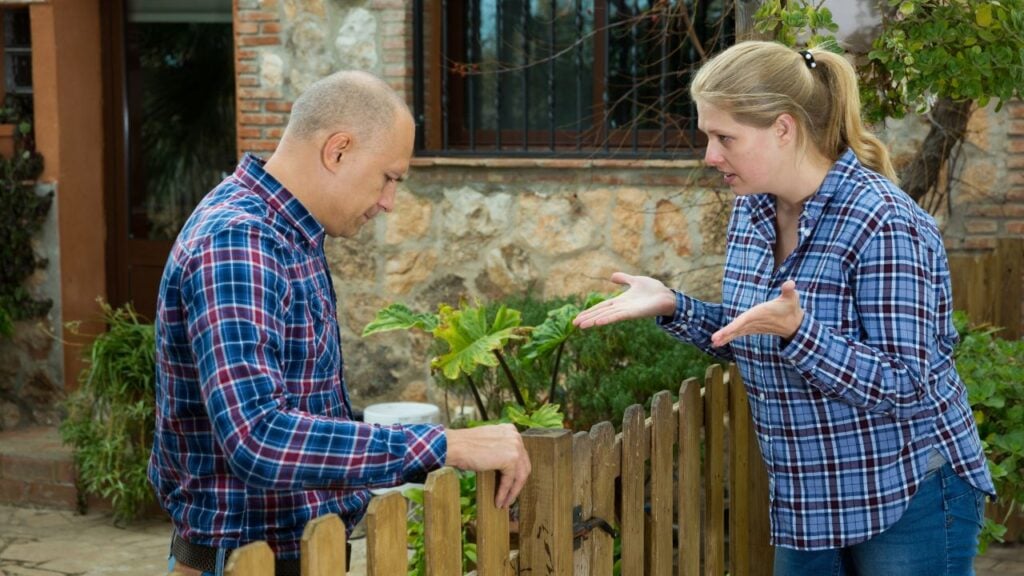
There's always that one neighbor who notices everything and has opinions about it.
What they notice is sometimes allowed, even when they report it.
3 Things a Pennsylvania Neighbor Might Report That Are Usually Legal
