
12 Signs You’ve Lived in Georgia Too Long, According to Locals

The Georgia National Fair opened Thursday in Perry and runs through October 18, according to the state’s Explore Georgia tourism office.
Newcomers ask why it isn’t in Atlanta.
But anyone who has been in Georgia a while stopped asking years ago, and that’s far from the only reflex a long stay leaves behind.
These are the signs you’ve lived in Georgia too long, according to locals.
1. Directions by the Perimeter
Georgia’s capital sits inside a 64-mile loop of interstate. Longtime residents rarely describe where anything is without it.
That loop is I-285, and almost nobody calls it that.
It’s the Perimeter.
Atlanta magazine’s guide for out-of-towners lists the words a transplant learns first.
ITP and OTP mean inside and outside that loop, and the Connector is the downtown stretch where I-75 and I-85 merge.
A newcomer hears a house is OTP and pictures a map.
Someone who’s lived in the state too long hears it and already knows how long the drive home will take.
2. Peachtree on Autopilot
Peachtree is the state’s signature street name, and it’s also a trap for visitors.
The same magazine guide puts the Atlanta-area streets carrying some version of Peachtree at more than 70.
Peachtree Street, Peachtree Road, West Peachtree, Peachtree Industrial, and Peachtree Battle all count.
They aren’t the same road.
A visitor plugs in Peachtree and ends up twenty minutes from dinner.
Locals ask which Peachtree before the sentence ends.
3. Houston County, Said Right
Georgians spell a few of their county names one way and say them another.
Perry, where the fair runs through October 18, is the seat of Houston County.
It’s HOW-stun.
Atlanta magazine’s out-of-towner guide flags Houston County, along with DeKalb County, which comes out duh-CAB, and Taliaferro County, which rhymes with Oliver.
Say any of those the way they look on paper, and every native in the room knows you’re new.
Say them right without a pause?
You’ve been in the state a long time.
4. Skipping the March Car Wash
Every car in metro Atlanta turns the same shade of yellow-green during Georgia’s pollen season.
Healthbeat reports that the visible dust isn’t the part that makes you sneeze.
The finer, invisible pollen from oak and other hardwood trees does that work instead.
Longtime residents don’t fight it.
They know a car washed on a Tuesday in late March is yellow again by Wednesday.
Atlanta Allergy & Asthma has counted the region’s pollen for about 35 years, and The Atlanta Journal-Constitution reported a record 14,801 grains per cubic meter on March 29, 2025.
The old record was 9,369, set in March 2012.
Technicians needed more than two hours to count one slide.
5. Bread and Milk Before Snow
The state gets little snow, and anyone who’s lived through a forecast or two heads straight for bread and milk.
Atlanta magazine documented the January 2017 version ahead of a two-to-four-inch forecast.
Stores hit capacity, checkout lines stretched down the aisles toward the back, and one shopper reported an hour to get out of a store near the Perimeter.
Bread sold out in places.
Out-of-staters laugh at that until someone explains January 28, 2014.
That day, 2.6 inches of snow began falling on metro Atlanta soon after noon, and more than 1,000 crashes followed.
Some students spent the night at their schools.
The newspaper’s anniversary count put it at 18 hours before traffic returned to normal.
6. Gnat Line
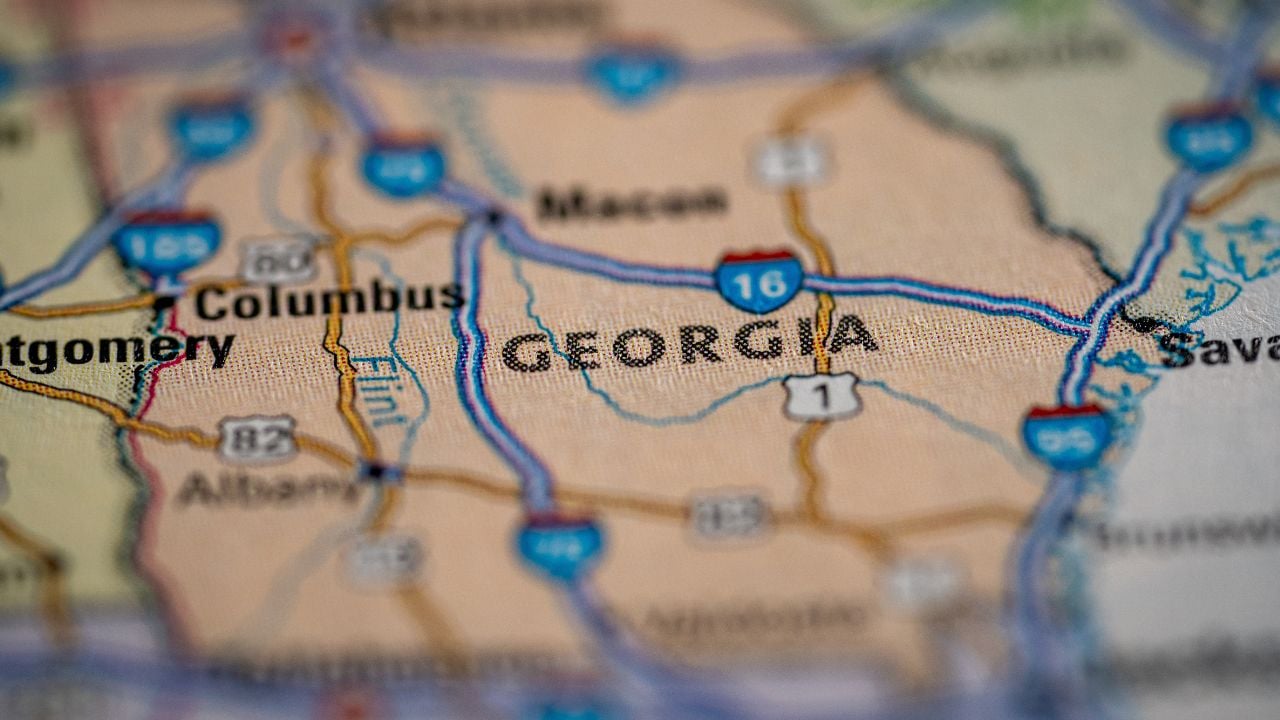
An invisible border runs across Georgia, and longtime residents can point to it on a map without a county line to help.
Georgia Public Broadcasting (GPB) puts the gnat line along the Fall Line, where the Piedmont meets the sandy Coastal Plain.
Anyone living north of Macon, Columbus, or Augusta sits above it.
Below it, gnats find your face.
Nobody has won that fight.
Jeff Burne, a Middle Georgia State University entomologist, told GPB the line can’t move without an earthquake because it follows soil type, not weather.
Waving one hand in front of your face mid-sentence, without losing your place, is how people below the line say hello.
7. Waiting on the Vidalia Pack Date
Georgia gives its sweet onion an official release day, and longtime residents watch for it the way other people watch for opening day.
The Georgia Department of Agriculture set this year’s Vidalia pack date at April 13, after an advisory panel reviewed the season’s soil and weather.
Growers planted about 10,200 acres for 2026.
Nothing ships early.
A transplant sees a bag labeled sweet onions in February and grabs it.
A longtime Georgian reads the tag, finds no Vidalia name, and waits for April.
What Makes an Onion a Vidalia
A Vidalia onion is a legal term in Georgia, not a variety you can grow anywhere.
The Vidalia Onion Act of 1986 trademarked the name and drew the growing region.
That region covers all or part of 20 counties in south Georgia, and only onions grown inside it can carry the name.
The season runs from the pack date in April into early September, so a Vidalia label in December is a sign somebody is stretching it.
8. Pulling Over for Boiled Peanuts
Just over half of the country’s peanuts came out of Georgia in 2025, 51% by the Georgia Peanut Commission’s count.
Some of them end up tender, salty, and wet in a paper cup.
They puzzle out-of-staters.
The state’s Georgia Grown program calls them a Georgia delicacy and tells visitors to stop at a roadside stand and try them.
Longtime residents don’t need the encouragement.
They see a hand-lettered sign on a two-lane road in Tift County and pull over without a discussion.
Roughly 4,000 farmers grow the state’s official crop across 77 counties.
9. Shrugging at the Peach Rankings
The Peach State nickname doesn’t match Georgia’s actual ranking, and someone who has lived there a while has already made peace with a fact that surprises everyone else.
Georgia isn’t first in peaches.
The U.S. Department of Agriculture’s Economic Research Service put 2022 production at 475,000 tons in California, 67,400 in South Carolina, and just 24,800 in Georgia.
That’s third place, and not close.
Bring it up at a Fort Valley peach stand in June, and you’ll get a shrug and a full basket.
10. Jacksonville Drive
Georgia plays Florida in football on neutral ground in Jacksonville, and the game’s organizers date that arrangement to 1933.
Longtime residents plan late October around that drive to Jacksonville.
This year breaks the pattern.
The Atlanta Journal-Constitution reports the 2026 game kicks off at 3:30 p.m. on October 31 at Mercedes-Benz Stadium in Atlanta.
The game’s organizers say the move comes while Jacksonville renovates its stadium, with construction wrapping in August 2028 and 2027 headed to Tampa.
A newcomer calls the swap convenient.
The rivalry returns to Jacksonville once construction wraps.
11. Answering “What’ll Ya Have?”
The Varsity’s counter staff on North Avenue in Atlanta have shouted the same question at customers since 1928.
A longtime Atlantan has an answer ready before reaching the counter.
The Varsity opened that year under Frank Gordy.
For its 90th birthday, The Atlanta Journal-Constitution reported The Varsity can serve up to 30,000 people on a Tech football Saturday.
Regulars order in a vocabulary.
A naked dog is a plain hot dog, a walk-a-dog is a hot dog to go, and a Frosted Orange is the drink you order without reading the board.
A visitor freezes at the counter, scanning the board for something familiar.
Regulars rattle off a naked dog and a Frosted Orange without looking up.
Psst! How much do you know about Georgia’s history? Take our quiz and see if you can ace it.
Quiz
Georgia History IQ
Answer these questions on how Georgia got its name, its capitals, and its map. We bet you can’t get them all right. Prove us wrong?
Before it was called Atlanta, the city went by which name first?
12. Coke Country Loyalty
Georgia's signature soda got its start at Jacobs' Pharmacy in downtown Atlanta, where the company's history puts the first glass of Coca-Cola on May 8, 1886.
Loyalty followed.
When Pepsi was an official Super Bowl sponsor in Atlanta in 2019, The Atlanta Journal-Constitution covered its downtown ad blitz as an invasion of Coke country.
Pepsi went as far as placing a statue of its founder beside John Pemberton's outside the World of Coca-Cola.
The newspaper's account calls that placement brief, and Pepsi later posted online that Coca-Cola hadn't seemed to want it there.
A server asks a newcomer whether Pepsi is okay, and the newcomer says sure.
Someone who's lived in Georgia too long hears that question, pauses, and orders sweet tea instead.
8 North Georgia Mountain Trips Visitors Plan Wrong Every Fall
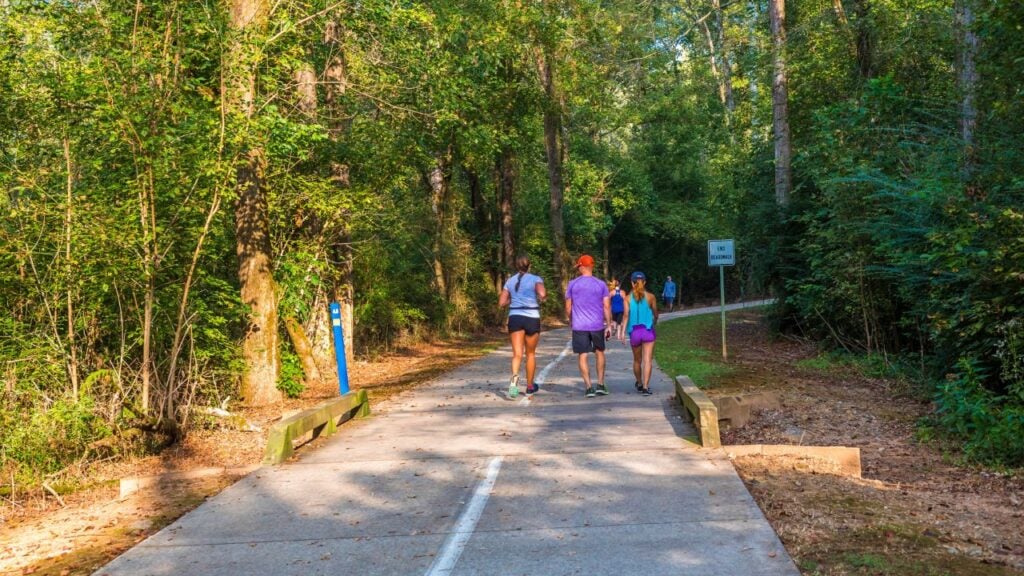
Every vehicle parked at a Georgia mountain state park this fall needs a ParkPass, and that's only one park system.
Half of north Georgia's best autumn stops sit inside the Chattahoochee National Forest, where a different set of rules applies.
8 North Georgia Mountain Trips Visitors Plan Wrong Every Fall
6 Services Georgia County Extension Offices Give Away
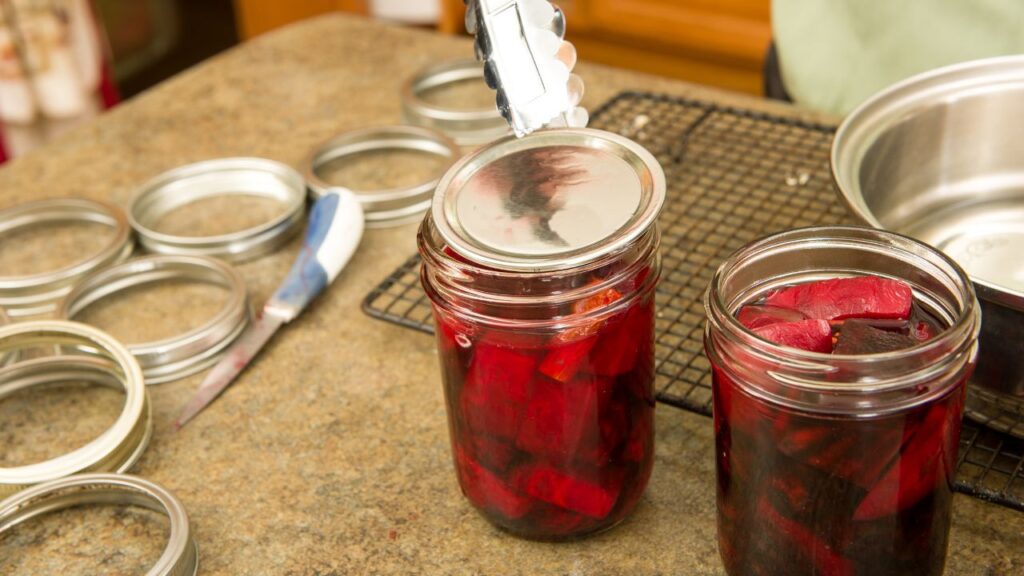
A basic tax return costs $220 to $280 nationally when a paid preparer fills it out.
Some Georgians walk into their county extension office and have trained volunteers prepare that same return for free.
6 Services Georgia County Extension Offices Give Away That Residents Pay for Elsewhere
