12 Silent Rules New Jerseyites Follow Without Ever Questioning Why

Every culture has its unwritten codes, and the United States is no exception.
Whether it’s how we behave at a New Jersey theme park or how we share space on a city sidewalk, people instinctively know what’s “acceptable.”
These rules aren’t in any handbook, but they’re powerful enough to keep things running smoothly, or make someone stand out when they’re ignored.
It’s funny how often we follow them without questioning where they came from.
Always Leave a Buffer Seat in the Movie Theater
When people head into a movie theater, most don’t plop down directly next to a stranger if the place isn’t packed.
There’s an unspoken rule about leaving a seat or two open. It makes everyone more comfortable without anyone having to ask.
The funny part is, nobody teaches this. Kids just seem to pick it up as they grow older.
When the theater does get full, the rule disappears. Suddenly, everyone accepts that shoulder-to-shoulder seating is the only option.
But until then, that “buffer seat” rule reigns supreme.
Don’t Sit in Someone Else’s “Regular” Spot
In small towns, churches, or even local diners, people have their unofficial spots. Sit in them, and you’ll notice a few stares.
Nobody’s name is on the seat, but everyone knows who usually sits there. It’s not about ownership in the legal sense. It’s about comfort, routine, and familiarity.
You won’t find a rulebook saying “avoid Mrs. Johnson’s pew,” but locals catch on quickly.
Outsiders usually don’t realize until they feel the shift in atmosphere after taking the wrong chair.
It might seem odd, but it’s one of those silent agreements that keeps small communities humming along peacefully.
Stand on the Right, Walk on the Left
On escalators, you’ll often see people sticking to a pattern: stand on the right, walk on the left. It’s not a posted rule in most places, but it’s widely followed.
Those who break it often get an annoyed glance or a polite “excuse me.”
This silent rule helps keep traffic flowing.
It prevents bottlenecks and gives people the choice to either relax or move faster.
It’s one of those little cultural agreements that seems to spread everywhere, even though no one can pinpoint when or where it started.
Don’t Talk Too Loudly in Public Spaces
People might not consciously realize it, but there’s an invisible volume limit in certain places. Coffee shops, libraries, and waiting rooms all have an expected “indoor voice.”
Nobody pulls out a rule chart or shushes them right away.
Still, there’s an instant awareness that the balance is off. Most people automatically adjust without being told.
It’s interesting because this rule doesn’t apply everywhere. At a ball game or a concert, the opposite is true; loud is expected.
But in shared quiet spaces, the silent code kicks in.
Always Leave the Last Bite for Someone Else
When there’s one slice of pizza or a single cookie left on the plate, most people hesitate before taking it. It’s like there’s an invisible pause button everyone presses.
This moment of hesitation is a way of showing courtesy. People don’t want to look greedy, so they wait for someone else to offer or insist. Even then, it sometimes sits untouched.
It’s not written down anywhere, but the “last bite rule” shows up at family dinners, office parties, and potlucks alike. Everyone seems to know it exists.
It’s a fascinating example of how manners guide behavior quietly, without anyone really talking about it.
Keep Your Yard Presentable for the Neighborhood
In many neighborhoods, there’s an unspoken expectation that you’ll keep your lawn trimmed and your yard tidy. Even without an HOA, people notice if you let things slide too much.
The idea is that your house affects the whole street. If your yard looks neglected, it reflects on everyone nearby.
Nobody writes this rule down, but neighbors follow it instinctively.
Sometimes it’s about pride, sometimes it’s about avoiding gossip. Either way, people feel the pressure to keep up appearances.
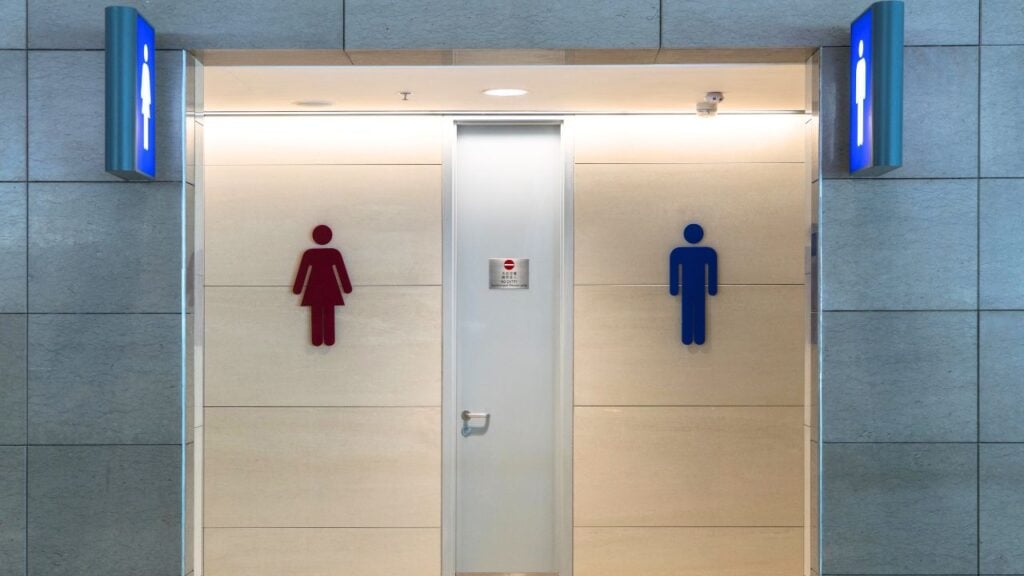
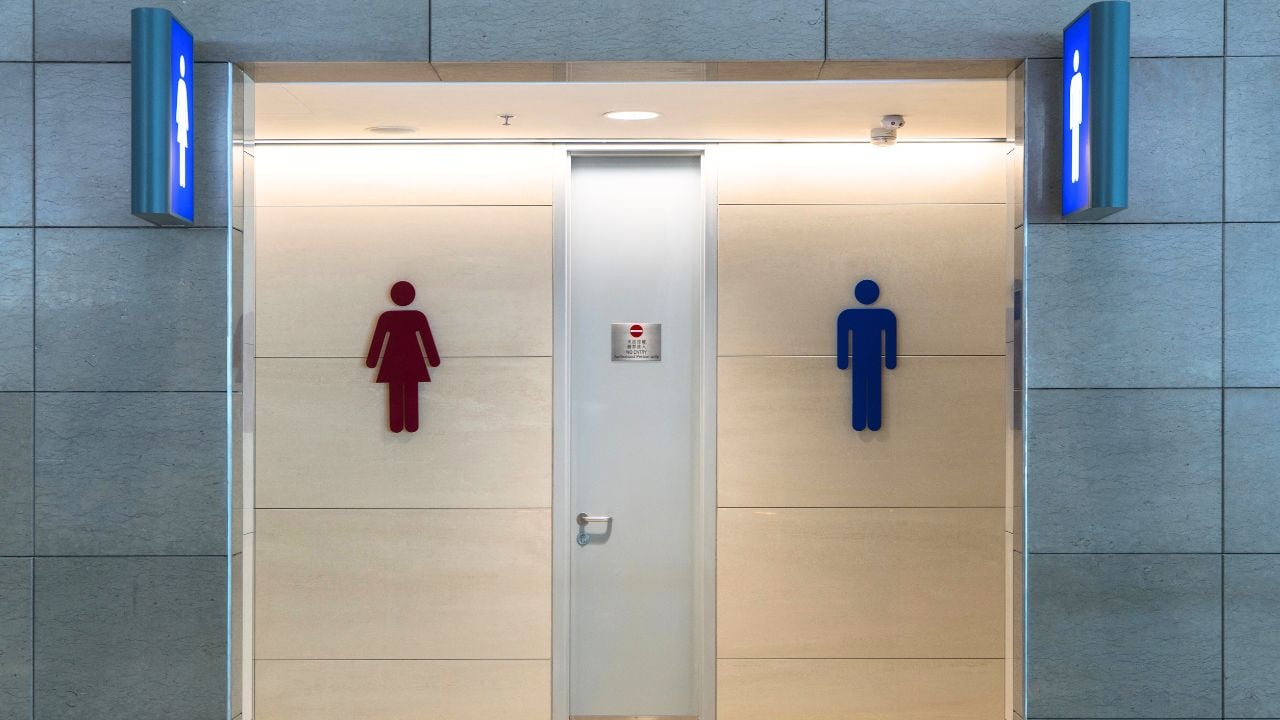
Don’t Use the Stall Beside Someone if the Others Are Empty
Walk into a public restroom, and you’ll often find people skipping stalls where there would be someone next to them.
It’s not a law, but it’s a pattern you’ll see again and again.
The choice is usually about privacy. People want a little extra space, so the middle stall gets left alone until the restroom starts filling up.
Nobody explains this rule to you. You just notice it over time, and before long, you’re following it too.
Hold the Door If Someone’s Right Behind You
Most people don’t think twice about holding a door open if someone’s within a few steps. It’s such a common courtesy that breaking it feels instantly rude.
You don’t need to announce it or ask permission. You just do it because it’s the expected thing.
Of course, there’s a gray area. Like, how far back is too far?
People wrestle with that in silence, but they’ll usually err on the side of holding the door anyway.
Don’t Cut in Line Even If No One’s Watching
Lining up is one of those things people do without questioning it. Whether it’s at the grocery store, the airport, or a theme park, everyone waits for their turn.
Cutting in line instantly draws attention. Even if no one speaks up, people notice. The silence is heavy, and it tells you that you’ve broken a rule.
The funny thing is, there’s no official law about it.
It’s just an expectation everyone follows, even in casual settings like waiting for coffee.
Keep Conversations Short in the Grocery Aisle
Running into a neighbor at the store is normal, but most people keep those chats brief. They’ll smile, share a few words, and then move on so they’re not blocking the aisle.
The silent rule says you shouldn’t hold up traffic.
Others might not say anything, but you’ll notice them reaching around you or waiting impatiently.
Of course, this doesn’t stop people from catching up entirely. It just means they’ll often move to the side or save it for later.
Don’t Take the Last Parking Spot Right Next to Someone
In a big, empty parking lot, people don’t usually park right next to another car. They’ll leave a gap if possible.
It feels more polite and gives both drivers extra space.
Nobody posts a sign saying you can’t park close, but everyone knows the unwritten rule. People will even walk farther just to avoid crowding someone else’s car.
It’s partly about comfort and partly about reducing the risk of scratches or dings.
Lower Your Voice When Using Speakerphone
In public spaces, most people instinctively know not to blast their whole conversation on speakerphone.
It’s one of those things that’s frowned upon even though there’s no posted rule.
The expectation is clear: keep your voice down or use headphones. When someone ignores it, everyone nearby gets uncomfortable fast.
It shows how much people rely on these unspoken agreements to keep things civil in crowded places.
17 Life Hacks That Are Harder Than the Non-Hack

Life hacks are supposed to make your life easier, and sometimes they really do. However, the internet is rife with hacks that aren’t actually effective.
17 Life Hacks That Are Harder Than the Non-Hack
15 Final Jeopardy! Questions That All Contestants Got Wrong

Over the years, the Final Jeopardy! round has stumped many contestants. These are some of the Final Jeopardy questions that none of the contestants got right. See how many leave you guessing, “What is…hmm?”
15 Final “Jeopardy!” Questions That All Contestants Got Wrong
What Decade Were You Really Meant For?
Whether you’re dreaming of bell-bottoms or soda fountains, our Decade DNA Quiz will match you with the decade that fits your personality. No work deadlines here, just a fun escape when you need it most.
Meet Your Match. Discover Your Decade DNA. (Your Vintage Roots Are Showing)