
12 Texas Animals More Dangerous Than People Realize

Everything’s bigger in Texas, and that includes the list of things that can hurt you.
Most of it isn’t the stuff that makes the movies.
The animals you should respect are often small, common, and hiding closer to your back porch than the back country.
1. Feral Hogs
Texas has roughly three million feral hogs, and they live in all but one of the state’s 254 counties.
They tear up fields, crops, and yards, and they’re not always shy about people.
In 2019, a 59-year-old woman was killed by a group of them outside a home near Anahuac.
A cornered boar can top 200 pounds and carries tusks it knows how to use.
Most folks picture them as a farm nuisance, not a genuine threat, which is exactly the mistake.
2. Africanized “Killer” Bees
The so-called killer bees have been in south Texas since 1990 and have spread to most of the state.
They look almost identical to ordinary honeybees, but they defend a hive with terrifying numbers.
The vibration of a lawnmower or a string trimmer can set an entire colony off.
Once they swarm, they chase, and people have died from massive sting counts.
If a cloud of bees comes at you in Texas, run, don’t swat.
3. Western Diamondback Rattlesnake
The western diamondback is the snake behind the most serious bites in Texas.
It’s large, common, and quick to stand its ground with that unmistakable rattle.
The venom destroys tissue and can put you in the hospital fast without treatment.
They turn up on hiking trails, ranch roads, and the occasional suburban garage.
Give one room, and it usually leaves.
Crowd it, and it won’t.
4. Cottonmouth
The cottonmouth, or water moccasin, patrols the rivers, swamps, and lake edges of East Texas.
It earns the name from the white mouth it flashes as a warning.
Unlike many snakes, it’ll often hold its position instead of fleeing.
The venom is potent, and a bite near the water can mean a long trip to help.
Anglers and swimmers cross paths with them more than they’d like.
5. Copperhead
The copperhead bites more Texans than any other venomous snake, partly because it blends in so well.
Its coppery, banded pattern vanishes against fallen leaves and mulch beds.
People step on them in gardens and along trails without ever seeing them.
The bite is rarely fatal, but it’s painful and shouldn’t be shrugged off.
Watch where you put your hands and feet in the yard.
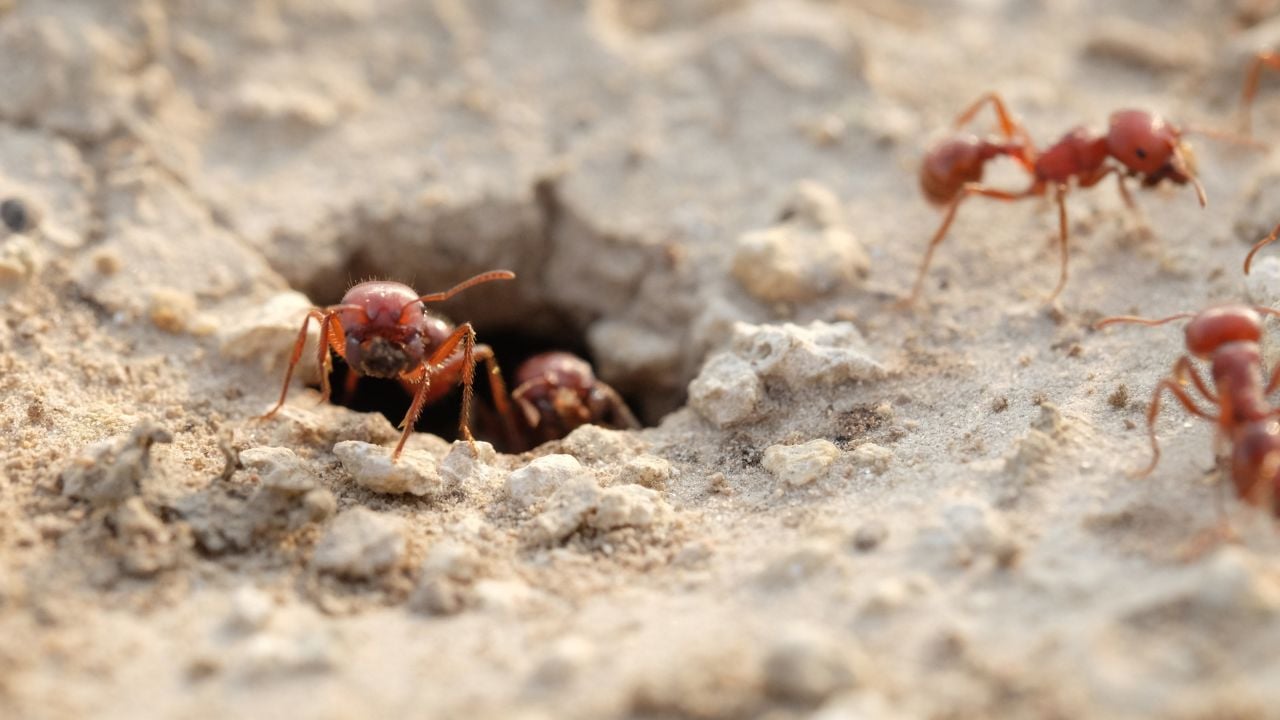
6. Fire Ants
Red imported fire ants are tiny, but stepping on a mound is a mistake you make only once.
They swarm up a leg in seconds and sting in unison, leaving rows of burning welts.
For people allergic to the venom, a bad encounter can turn into an emergency.
Their mounds pop up across lawns, parks, and ballfields all over the state.
Few Texas animals send more people indoors than one tiny ant hill.
Quiz
Texas IQ
Eight questions on the Lone Star State that skip the critters. We bet you can’t wrangle all eight. Care to try?
7. Brown Recluse Spider
The brown recluse hides in closets, woodpiles, attics, and the occasional shoe.
It's small and shy, but its venom can rot away tissue around the bite.
The wound can be slow to heal and sometimes needs medical care.
Most bites happen when a person reaches into a dark space where the spider is.
Shake out your boots and gloves before you put them on.
8. Black Widow Spider
The black widow is easy to spot, glossy black with that red hourglass underneath.
Its venom is a neurotoxin, far stronger drop for drop than a rattlesnake's.
A bite brings cramps, sweating, and pain that can last for days.
They favor sheds, garages, and woodpiles, exactly where bare hands go reaching.
Healthy adults usually recover, but the young and the old need a doctor.
9. The Kissing Bug
The kissing bug sounds sweet and is anything but.
It bites people around the face at night and can carry the parasite behind Chagas disease.
Central and south Texas are national hot spots for it.
Left untreated, Chagas can damage the heart years down the road.
Most Texans have never heard of it, which is what makes it worth knowing.
10. Bull Shark
Bull sharks cruise the Gulf bays and, unlike most sharks, tolerate fresh water.
They use Texas estuaries like Galveston Bay and Sabine Lake as nurseries.
Young ones have turned up well up the Trinity and other rivers.
Stocky, aggressive, and built for shallow water, they're among the species most likely to bother swimmers.
The idea of a shark miles inland sounds absurd until you meet a bull shark.
11. American Alligator
East Texas bayous, lakes, and golf-course ponds hide more alligators than newcomers expect.
They spend most of the day looking like a floating log, which is the danger.
An adult bull gator can lunge faster over a short distance than people assume.
Trouble usually starts when someone feeds them and they lose their fear of humans.
Keep your distance, keep pets back, and never toss them a snack.
12. Mountain Lion
Out in West Texas and the Hill Country, mountain lions still roam the brush.
You'll almost never see one, which is part of what makes them unnerving.
A big cat can weigh well over a hundred pounds and take down prey its own size.
Attacks on people are rare, but hikers and ranchers do cross their territory.
If you ever meet one, you make yourself big and loud, and you do not run.
Staying Out of Trouble
The good news is that almost all of this is avoidable.
Watch where you step and reach, especially around woodpiles, water, and tall grass.
Shake out shoes, gloves, and gear that's been sitting in the garage.
Give every animal room, and never corner or feed one.
None of this should keep anyone off a Texas trail or out of a Texas lake.
It just pays to be cautious.
12 HOA Battles That Texas Homeowners Are Losing
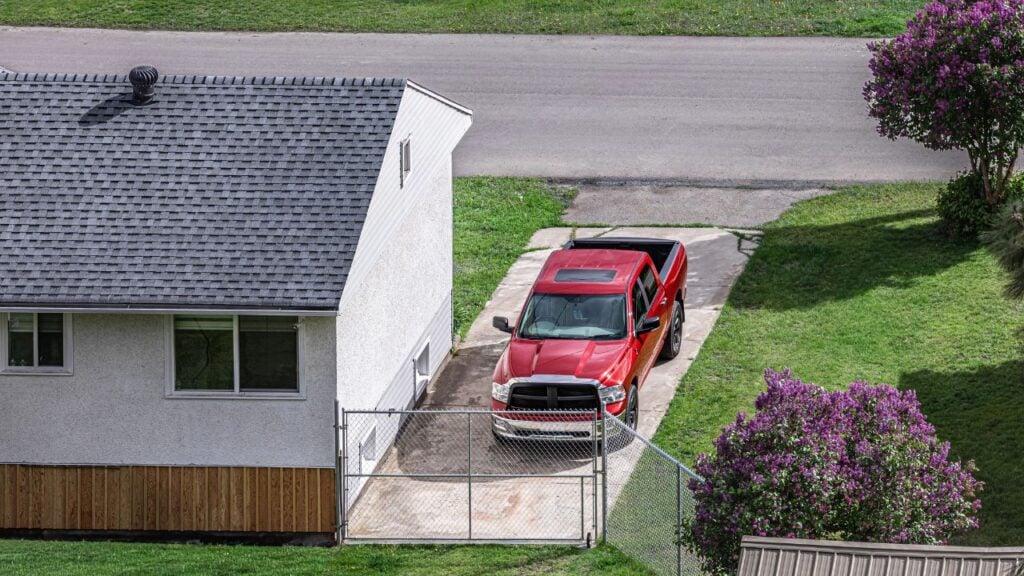
There's a reason the word "HOA" makes grown Texans groan.
Behind every tidy cul-de-sac sits a board with a rulebook and a willingness to use it.
Some fights you can win. But many of them end with the homeowner writing a check.
12 HOA Battles That Texas Homeowners Are Losing
9 Texas Car Insurance Mistakes That Brutally Inflate Your Rate
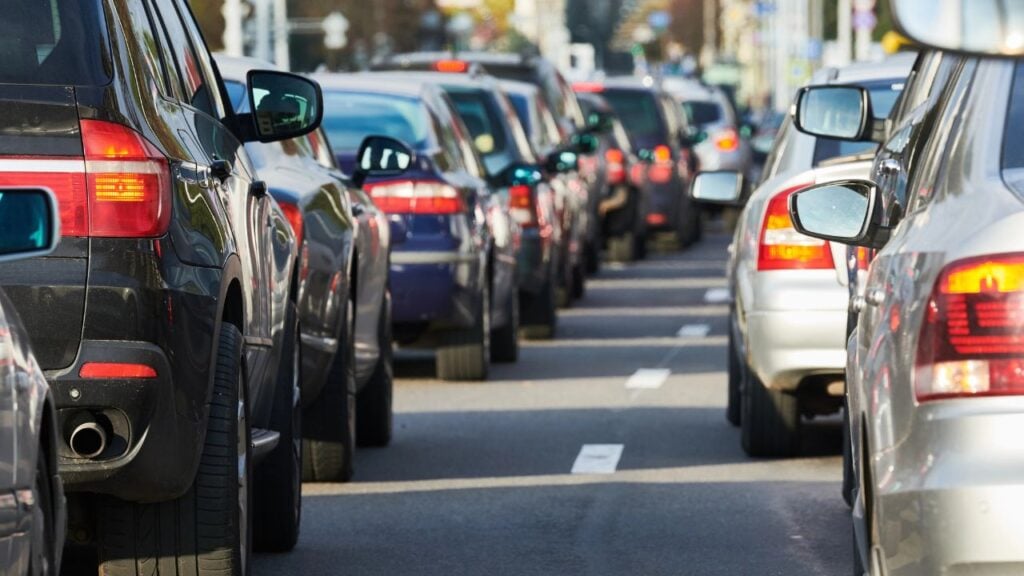
Texans pay more for car insurance than most Americans, around $2,200 a year for full coverage.
Weather and traffic explain part of it.
But a big chunk of the bill comes from missteps drivers make without realizing it.
9 Texas Car Insurance Mistakes That Brutally Inflate Your Rate
