
12 Things Californians Are Fiercely Loyal to That People in Other States Have Never Heard Of

California exports a lot of food culture.
In-N-Out went to Texas. Trader Joe’s hit 43 states. Avocado toast is on every brunch menu in America.
But there’s a whole other layer of California stuff that never left the state.
Here are 12 things Californians are fiercely loyal to that nobody in other states has heard of.
Tri-Tip Barbecue
This is the one that breaks Californians the fastest when they move away.
Tri-tip is a triangular cut from the bottom sirloin, grilled or smoked over red oak wood, and seasoned with a simple garlic-pepper-salt rub.
No sauce. Just meat, smoke, and a sharp knife.
It started in Santa Maria on the Central Coast in the 1950s and became the official barbecue of California.
The rest of the country grew up on Texas brisket and Carolina pulled pork.
California grew up on tri-tip, served with pinquito beans, salsa, and buttery garlic bread.
Ask for it at a butcher counter outside California, and you’ll usually get a confused look.
Pinquito Beans
While we’re on the tri-tip topic, the pinquito bean deserves its own spot.
Pinquitos are a small pink bean grown almost exclusively in the Santa Maria Valley. They’ve been served alongside Santa Maria tri-tip for over 70 years.
The flavor is somewhere between a pinto and a navy bean.
The texture holds up to long simmering without falling apart.
Most American grocery stores don’t carry them. Most Americans have never heard of them.
Californians who grew up on Santa Maria barbecue mail-order them when they move to the East Coast.
Hadley’s Date Shakes
Hadley Fruit Orchards sits in Cabazon, California, off the I-10 between Los Angeles and Palm Springs.
The business was founded by Paul and Peggy Hadley in 1931 and moved to its Cabazon location after a 1951 fire destroyed the original warehouse.
The date shake is the legend.
Fresh dates blended with vanilla ice cream and milk, served thick enough that a straw can barely handle it. It’s been a Hadley’s staple for generations.
Generations of Californians have pulled off the highway on the way to Coachella or Palm Springs just for the shake.
The flavor is rich, sweet, and unlike any milkshake the rest of the country has ever had.
Ask for a date shake in most other states, and you’ll get blank stares.
Hadley’s runs almost entirely on word-of-mouth loyalty from California road-trippers.
Cara Cara Oranges
California navel oranges are famous nationwide.
Cara Cara oranges are a Californian secret.
They look like a navel from the outside, but inside they’re pink-fleshed, sweeter than regular navels, and with a slight cranberry-cherry note.
They’re grown almost entirely in California’s Central Valley.
The season runs from December through April, and Californians stock up while they can. Most of the country has never tried one, and grocery stores in other states often don’t carry them at all.
For California shoppers, a winter without Cara Caras is like a Floridian going without Pub Subs.
Zankou Chicken
Founded in 1984 by the Iskenderian family, Zankou Chicken is an Armenian-Lebanese rotisserie chicken chain with locations across Los Angeles, the San Fernando Valley, and Orange County.
The chicken is perfectly roasted. The pita comes warm. The shawarma plates are loaded.
But the legend is the garlic sauce.
It’s thick, white, intensely garlicky, and the reason Angelenos drive across town for it.
Outside Southern California, almost nobody knows Zankou exists. Inside it, the loyalty borders on obsession.
Californians who move out of state regularly request care packages of Zankou garlic sauce shipped to them.
Jollibee’s California Following
Jollibee is the Filipino fast-food chain known for sweet-style spaghetti, peach mango pies, and Chickenjoy fried chicken.
It’s a global brand with hundreds of locations worldwide. But in the United States, California is the heart of its following.
The Daly City Jollibee was the first U.S. location, opening in 1998.
California has more Jollibee locations than any other state, concentrated in the Filipino-American communities of the Bay Area, Los Angeles, and San Diego.
For Filipino Americans and the broader California food scene, Jollibee is a deep loyalty.
For most of the country, it’s a chain people have never heard of unless they’ve seen the slow rollout to Texas and the East Coast.
Hi-Chew Candy (and Its California Foothold)
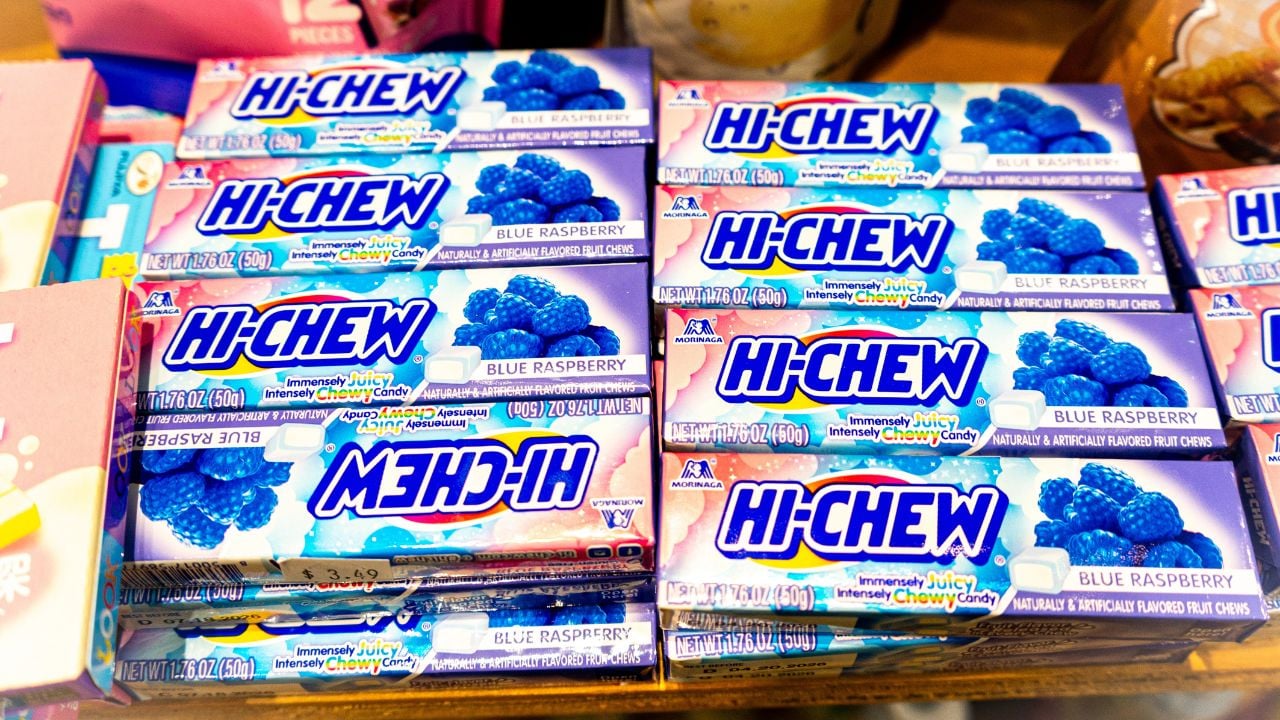
Hi-Chew is a Japanese soft chewy candy that became wildly popular in California decades before the rest of the country caught on.
The brand has been sold in California Japanese markets, Mitsuwa, Marukai, and Nijiya since the 1980s.
Californians grew up trading these at school lunch tables.
The brand has slowly expanded nationally and now appears in some major grocery chains, but California still has the deepest loyalty and the widest flavor selection.
Out-of-state visitors to California often discover Hi-Chew for the first time at a 7-Eleven in Torrance or a Daiso in Sawtelle Japantown and have their lives changed.
Pollo Loco’s California Roots
El Pollo Loco was founded in Guasave, Mexico, but it crossed the border into California in 1980 and has been a Southern California fast-food staple ever since.
Citrus-marinated flame-grilled chicken. Warm tortillas. Salsas at the salsa bar.
The chain has expanded into Texas, Nevada, Arizona, and a few other states, but California remains the heart of its identity.
There are more El Pollo Loco locations in California than in the rest of the country combined.
Californians who move east often discover, painfully, that the nearest Pollo Loco is 1,200 miles away.
Boba Tea, Specifically the California Boba Culture
Boba tea exists in plenty of states now. But California is where the American boba culture was born.
The first boba shops opened in the San Gabriel Valley in the early 1990s, brought over by Taiwanese immigrants.
Today, the San Gabriel Valley is widely considered the boba capital of the United States.
Californians have a specific boba culture that’s hard to find elsewhere.
Brown sugar milk tea. Strawberry matcha with lychee jelly. House-made tapioca pearls. Specific chains like Tea Station, Half & Half, and Boba Guys.
In most of the country, boba is a novelty. In California, it’s a weekly drink.
See’s Candies
See’s has 200+ stores, mostly in California and a handful of Western states.
The black-and-white checkered shops give out free samples to every customer who walks in.
The Bordeaux creams, Scotchmallows, Mary Janes, and milk chocolate butterscotch squares are deeply familiar to California families who grew up with them.
People in the Midwest, the South, and the East Coast have largely never set foot in a See’s. Californians who move out of state stock up on Bordeauxs every time they fly home.
For the holidays, the iconic black-and-white candy box is a California gift that translates to nostalgia.
76 Gas Stations and the Orange Ball
Most of the country has Chevron, Shell, BP, Sunoco, and Mobil.
California has 76.
The bright orange 76 ball, perched on a high pole over the gas station, has been a California highway landmark since the 1960s. The “76” comes from the gas brand, which was originally Union 76.
The brand still exists nationally, but California is where the orange ball is a cultural icon.
Generations of California kids spotted them on family road trips. The Los Angeles Dodgers stadium has had 76 sponsorship deals dating back decades.
Most non-Californians have no idea what the orange ball means. To Californians, it means home.
Date Trees, Avocado Trees, and Lemon Trees in Backyards
Many California neighborhoods have date palms, lemon trees, avocado trees, orange trees, and fig trees growing in front yards and backyards.
Free, fresh fruit. Year-round.
People in California give away grocery bags of Meyer lemons and Hass avocados to friends and neighbors because the harvest is too much for one family to use.
The rest of the country buys these things at a grocery store at premium prices.
Californians have them growing in the yard, often from trees their grandparents planted.
For Californians who move out of state, the loss of the backyard citrus and avocado supply is one of the first things they grieve.
California Doesn’t Brag About Half of What It Has
For Californians, these aren’t just products. They’re memory triggers.
The smell of tri-tip on a Saturday afternoon in the backyard. The roadside stop for a Hadley’s date shake on the way to the desert. The brown bag of free Meyer lemons from a neighbor.
The rest of the country knows California by Hollywood and the beach.
Californians know it by the things in the cabinet that nobody else has heard of.
Weirdest Laws in Each State

Most Americans are clear on treating thy neighbor as they’d want to be treated to reduce the chance of fines and jail time.
But did you know you could be breaking the law by carrying an ice cream cone in your pocket?
These are the weirdest laws in each state, most of which courts (thankfully!) no longer enforce.
Weirdest Laws in Each State That’ll Make You Chuckle
11 Poor Hygiene Habits Americans Don’t Know They Have

Americans believe in cleanliness, but we may not be as hygienic as we think.
These 11 habits reveal where many Americans fail in the hygiene department.
