
12 Things Every South Carolinian Learned Growing Up Near the Coast

Frogmore stew sounds like it comes with frogs. If you grew up on the South Carolina coast, you know it’s shrimp and corn.
Kids raised by the water pick up a whole education like that.
Here’s what every South Carolinian learned growing up near the coast.
1. Pluff Mud
Pluff mud is the thick salt-marsh mud behind the rotten-egg smell along the coast.
Bacteria breaking down decaying matter cause that smell.
The same mud is a critical habitat for crabs, snails, shrimp, and juvenile fish.
Hold your nose anyway.
2. Oyster Shells
Oyster shells have a second job once the roast ends.
The South Carolina Department of Natural Resources (SCDNR) asks you to recycle your shells at drop-off locations.
Shell in any of its bins is state property, so taking it is illegal.
Leave the bin alone.
3. Crab Size Limits
Blue crabs have to measure at least 5 inches wide, point to point, before you can keep a crab.
Smaller crabs go back in the water.
Since July 1, 2025, crabbers can keep up to one bushel per person per day, or two bushels per boat.
4. Sweetgrass Baskets
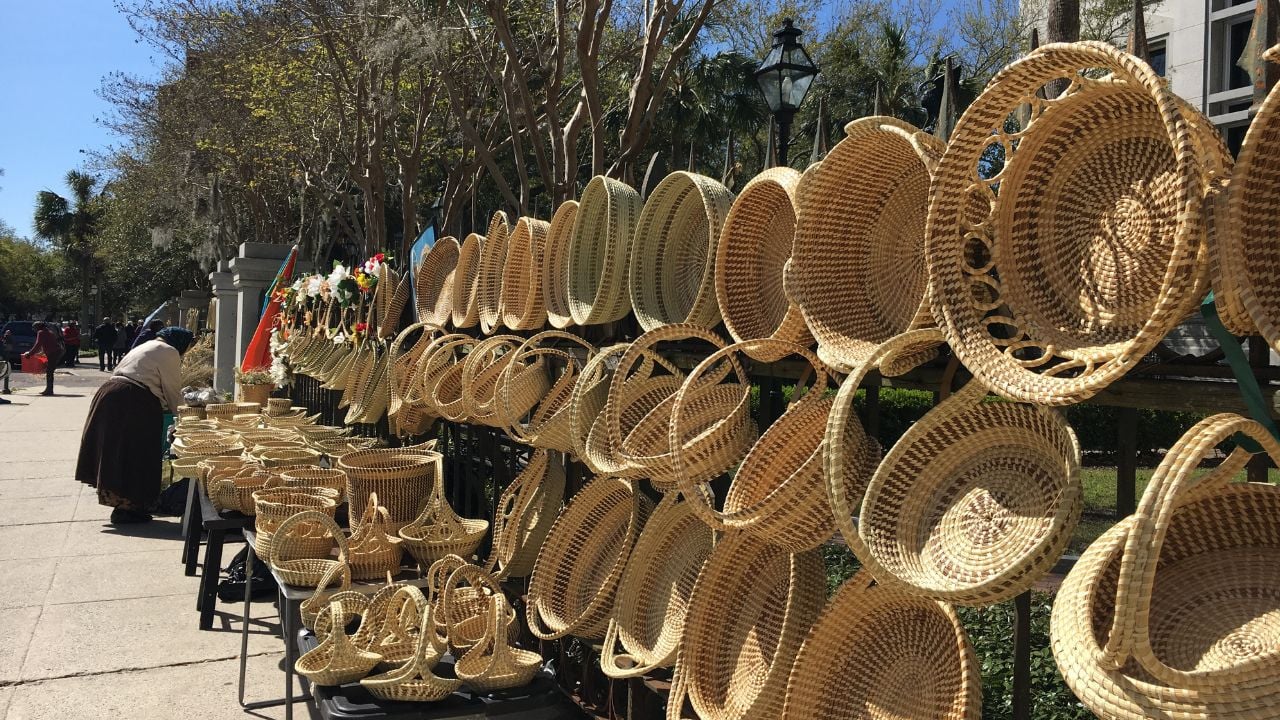
Sweetgrass baskets grew out of a craft that people of African descent have practiced in South Carolina for as long as they’ve lived there.
The sweetgrass boom began near Boone Hall Plantation, close to the village of Mount Pleasant.
With coastal Highway 17 paved and the Cooper River Bridge open, makers began selling baskets on the roadside.
Makers later displayed new basket shapes on a marketing device, the basket stand.
5. Spanish Moss
Spanish moss is a relative of the pineapple, not a true moss.
It lodges in the bark of rough-barked trees, especially live oaks and cypress.
There, it gets its water and food from the air.
It’s harmless to the tree.
After the Civil War, it became a stuffing for furniture under the name vegetable horsehair.
6. Frogmore Stew
Frogmore stew sounds like it comes with frogs.
The two main ingredients are shrimp and yellow corn.
You can add crabs, redskin potatoes, and even crawfish.
It’s a one-pot meal.
Many people who grew up near the water have a favorite pot of it.
Some people claim the dish started in the Frogmore community on St. Helena Island, near Beaufort.
If you hear Beaufort stew or Louisiana boil, you’re hearing the same dish.
Psst! How much do you know about the coast? Take our quiz and see if you can ace it.
Quiz
Palmetto Coast IQ
Answer these questions on the coast, state symbols, and history. We bet you can’t get them all right. Prove us wrong?
Hurricane Hugo’s highest storm tide, 19.8 feet above mean sea level, was measured at which spot?
7. Strand-Feeding Dolphins
Bottlenose dolphins swim in the nearshore waters along the coast all year.
An estimated several hundred bottlenose dolphins call South Carolina home.
Some Lowcountry dolphins strand-feed, herding fish onto the shoreline and beaching themselves for a moment to catch them.
Feeding dolphins teaches the animals to approach boats and docks.
Federal guidance asks boaters to stay at least 50 yards away.
Keep your distance.
What Feeding a Dolphin Can Cost You
Federal rules make it illegal to feed any marine mammal in the wild.
That covers the bottlenose dolphins along the coast.
SCDNR says fines for feeding or harassing dolphins can reach up to $100,000.
Federal penalties can also include up to one year in prison.
8. King Tides
King tides are the highest tides of the year, though the term isn't scientific.
During one, the high tide may reach 7 feet or higher.
That can mean minor coastal flooding.
In 1950, Charleston had high-tide flooding on roughly 2 days.
By 2014, that had grown to 25 days.
Many drivers in Charleston check the tide chart before they park.
If you live in Charleston, try the city's Tide Eye app for forecasted tides.
Plan ahead.
9. Sea Turtle Lights
Sea turtle nesting season on South Carolina beaches officially runs from May 1 through Oct. 31.
Hatching begins around the start of July.
Beachgoers are asked to keep artificial lights off the beach at night during that stretch.
Beachfront lights can disorient the turtles.
The Endangered Species Act protects the nesting species, along with local and state ordinances.
If you're on the beach after dark, leave your lights off.
Lights out.
10. Palmetto Fort
The palmetto-log fort on Sullivan's Island used trunks set in deep sand that proved pliable and sturdy enough to hold up against iron cannonballs.
Colonel William Moultrie's soldiers defended the fort against British ships on June 28, 1776.
Soldiers from the 2nd South Carolina Regiment garrisoned the fort.
The fort was first called Fort Sullivan, and the name changed to Fort Moultrie after the battle.
11. Fort Sumter
Fort Sumter is the Charleston Harbor fort where the Civil War began.
The bombardment of the fort came on April 12-13, 1861.
Charleston Harbor appeared on a list of sites vulnerable to attack, and that prompted the fort's construction.
Visit either fort, and you're in the same national historical park.
Two forts, one park.
12. Hurricane Hugo
If you grew up near the coast, you'll often hear a Hurricane Hugo story.
Hugo made landfall at Sullivan's Island on Sept. 22, 1989.
It hit around midnight.
At landfall, Hugo was a Category 4 storm.
Its estimated maximum sustained winds were 135 to 140 mph.
5 South Carolina Porch Traditions Rooted in Charleston and Gullah Geechee History
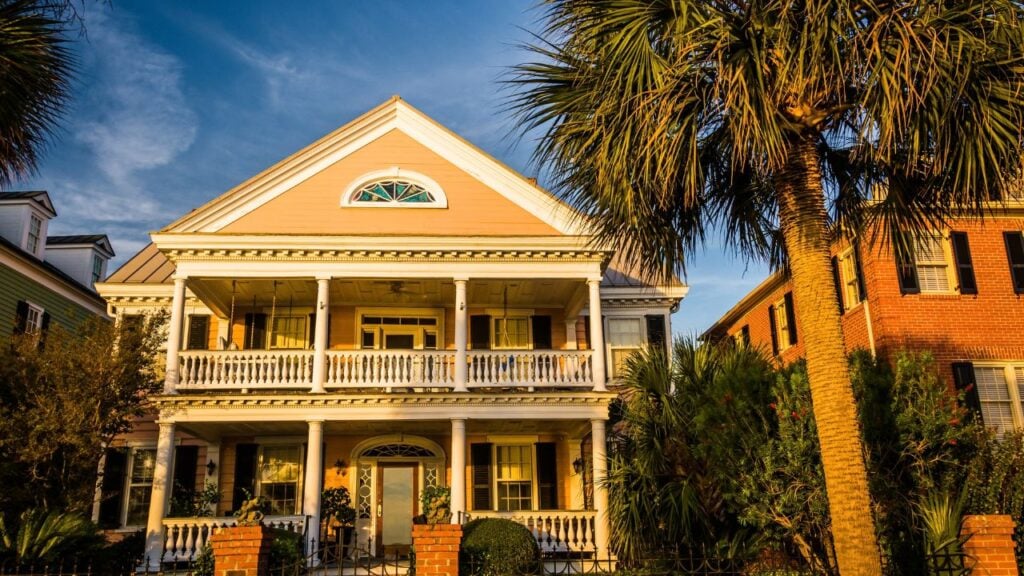
Charleston's historic porches look the way they do for a reason.
Many details trace back to Charleston and Gullah Geechee history.
5 South Carolina Porch Traditions Rooted in Charleston and Gullah Geechee History
15 Habits That Give Away a South Carolina Native Within Five Minutes
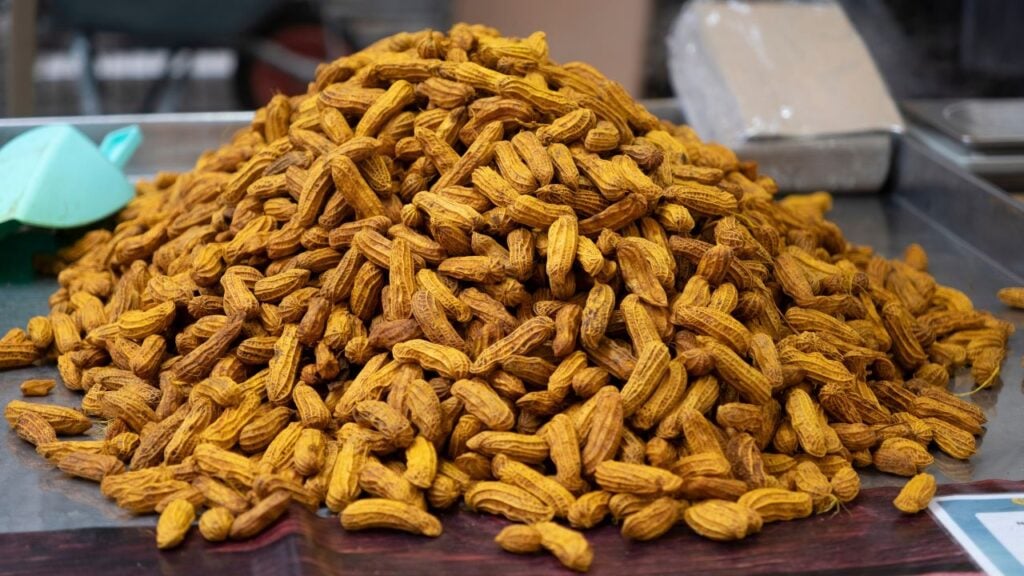
Natives and newcomers share the same sidewalks and barbecue lines.
The difference shows fast, and it can start with which sauce you reach for.
15 Habits That Give Away a South Carolina Native Within Five Minutes
