
12 Things Only Orlando Locals Understand About Tourist Season

Living in Orlando means sharing your city with over 70 million annual visitors while also trying to grab groceries, get to work, and find a restaurant that doesn’t have a two-hour wait.
Locals have cracked the code.
Here are 12 things Orlando locals understand that Florida’s tourists don’t.
1. Tourist Season Is Every Season
Visitors sometimes ask Orlando locals what the “off season” is like. The honest answer is that there isn’t one.
Yes, the crowds shift and peak at different times, with summer and the winter holidays being the most intense.
But Disney doesn’t close, and the convention center doesn’t go dark.
Orlando runs at some level of tourism saturation every single month of the year.
Locals don’t wait for a quiet period. They learn to find quiet pockets.
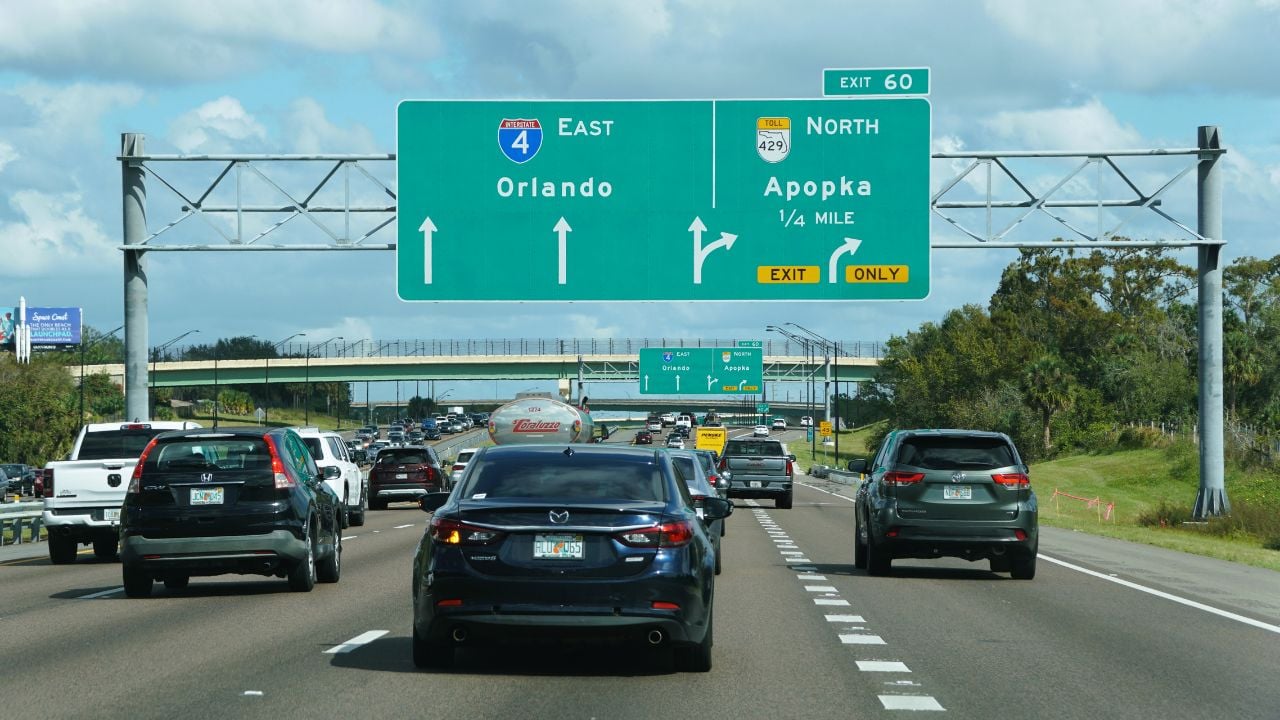
2. I-4 Is a Purgatory
Interstate 4 through Orlando is one of the most congested stretches of road in the United States, and it doesn’t need the highest of the high tourist season to be bad.
Locals plan their entire daily lives around I-4 avoidance strategies.
They know the exit numbers that add ten minutes but save thirty. They know which surface streets run parallel and which ones trap you at a light for five cycles.
The I-4 app alert is a survival tool.
3. The Publix Nearest Disney Is a Different Experience
Orlando has over 100 Publix locations across the metro, and locals know exactly which ones to avoid during peak season.
The stores near International Drive and the Disney corridor operate in a completely different atmosphere than the ones tucked into neighborhoods like College Park, Audubon Park, or Dr. Phillips.
The nearby ones are packed with families buying snacks and cases of water like they’re stocking a bunker.
Locals have their quiet Publix mapped out, and they protect that information accordingly.
4. Locals Don’t Go to Disney. (Except When They Do.)
The general rule among Orlando locals is that you don’t go to Disney unless someone is visiting from out of town and you’re playing host.
But the full truth is more complicated.
Annual passes exist. They’re used. There’s a specific kind of Orlando local who knows exactly which day and which entry window produces the shortest wait times at Magic Kingdom, and they’re not embarrassed about it.
The public position is “I never go to Disney.”
The private reality involves a lot more planning than that.
5. The Restaurant Wait Times in Tourist Areas Are Horrendous
Orlando’s restaurant scene has improved over the last decade, and the areas outside the tourist corridor have excellent spots that locals love.
But trying to eat anywhere near the parks or I-Drive during spring break or the week between Christmas and New Year’s is an experience that most locals have decided isn’t worth having.
Two-hour waits for mediocre food while standing next to someone in Mickey ears is a thing that happens to other people now.
6. Summer Afternoon Thunderstorms Are Normal
From roughly June through September, Orlando gets a daily afternoon thunderstorm that arrives with the reliability of a commuter train.
Locals know the timing. They know to be inside or under cover by about 3pm.
They know the storm will roll in hard and roll out within an hour.
Tourists get caught in them constantly, standing on a theme park midway with nothing but a souvenir poncho and a look of genuine surprise.
Locals watch this happen with the quiet sympathy of people who learned that lesson in their first summer.
7. The Lake Eola Farmer’s Market Is Sacred Ground
The Lake Eola Farmers Market in Thornton Park is one of those local institutions that Orlando residents are quietly territorial about.
It runs on Sunday mornings, and it’s been a downtown Orlando fixture for years.
It’s where locals buy produce, eat breakfast from independent vendors, and walk their dogs without a single piece of merchandise featuring a mouse ear in sight.
It’s a small but important reminder that Orlando is a real city with a real local culture, not just a theme park parking lot with a downtown attached.
8. The Tourism Economy Pays for a Lot of Things Locals Enjoy
Orlando locals have a complicated but ultimately appreciative relationship with the tourism economy.
The theme parks and attractions generate the tax base that funds roads, parks, and infrastructure at a level most cities can’t access.
The hospitality industry supports hundreds of thousands of jobs across the metro.
Locals complain about the crowds, and then they use the beautiful park system, the event venues, and the restaurant scene that the tourist economy helps sustain.
It’s a trade-off they’ve come to terms with.
9. The Locals-Only Spots Stay Local by Accident
Orlando has a genuine neighborhood culture in areas like Audubon Park, Ivanhoe Village, Milk District, and the College Park corridor that tourists rarely find because they’re not in any theme park adjacent GPS route.
These spots have independent coffee shops, bookstores, local restaurants, and a pace that feels nothing like International Drive.
Locals don’t actively hide them. They’re just not near anything tourists are already going to, so they stay local by default.
It’s one of the quiet gifts of living in a tourist city so large.
10. Convention Season Adds a Whole Other Layer
On top of the regular tourist flow, Orlando hosts a massive convention calendar at the Orange County Convention Center, which is one of the largest convention centers in the United States.
When a major medical conference or tech convention is in town, downtown hotel prices spike, and the airport gets an entirely different kind of crowded.
Locals who don’t pay attention to the convention calendar learn to pay attention to the convention calendar.
It’s not tourist season. It’s convention season, and it has its own traffic patterns.
11. Finding Good Local Food Requires Leaving the Zip Codes You Know
The best food in Orlando is almost entirely outside the tourist corridor, and locals navigate toward it instinctively.
The Vietnamese restaurants along Colonial Drive. The Puerto Rican spots in Kissimmee. The Cuban bakeries scattered through areas that don’t show up on the theme park shuttle map.
Newcomers who spend their first few months eating only in tourist-proximate restaurants and then discover the real Orlando food scene go through a genuine moment of “where has this been hiding.”
It’s been there the whole time, just not where the signs point.
12. People Who Stick Around Genuinely Love It
It’s easy to lean into the “Orlando is just a tourist trap” narrative
But locals who’ve put down real roots there will push back on that.
The winters are genuinely pleasant. The cost of living, relative to the quality of life available, is competitive with a lot of comparable metros.
The food scene, the arts community in Thornton Park and Mills 50, and the outdoor culture around the area’s lakes are all things worth staying for.
It’s a Real City That Happens to Have a Theme Park Problem
Orlando is an actual place where real people build real lives, raise families, and develop real community attachments.
The theme parks are just the most visible layer.
Locals have spent years building a life underneath all of it, and it’s a pretty good one once you know where to look.
18 Funny Things Florida Snowbirds Do at Publix

We have nothing against snowbirds. But ask any year-round Publix regular, and they’ll tell you that these seasonal visitors have some… unique… shopping habits.
18 Funny Things Florida Snowbirds Do at Publix
11 Mistakes People Make When Shopping at Winn-Dixie

It always starts the same. You walk into Winn-Dixie for “just a few things,” and 45 minutes later, you’re wheeling out two bags of chips, a frozen shrimp tray, three kinds of cereal, and a receipt long enough to use as a scarf.
Whether you’re a loyal weekly shopper or just stopping in for a few things, chances are you’ve made at least one of these common Winn-Dixie mistakes.
