
12 Things Secret Service Agents Do That Aren’t What Floridians Think

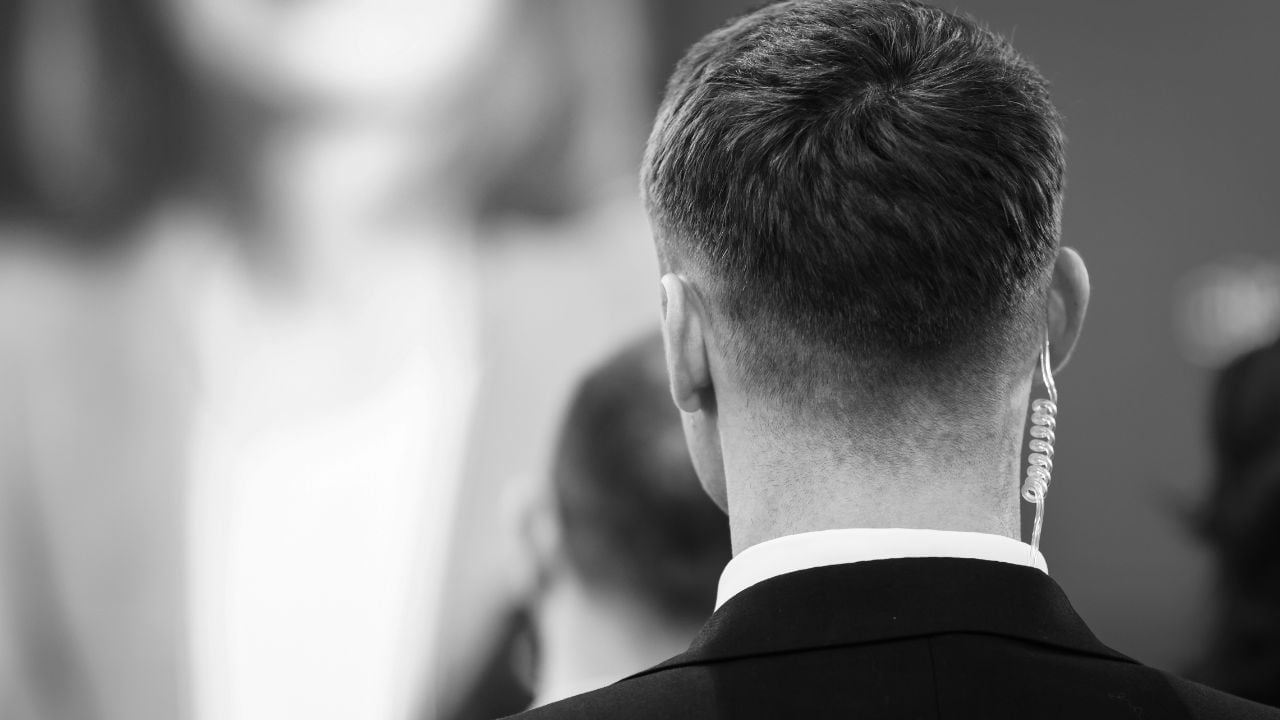
Many Floridians picture Secret Service agents and think of black suits, sunglasses, earpieces, and the guys standing around the president looking intense.
Hollywood has built a whole genre out of that image.
The real job of a Secret Service agent is way more complicated than the movies let on, and a lot of what agents actually do has nothing to do with jumping in front of bullets.
Here are 12 things Secret Service agents do that aren’t what you think.
Note: We sourced this article from the official U.S. Secret Service website (secretservice.gov), DHS, Britannica, CRS, and USAFacts.
While there’s a lot of misinformation and secrecy about the Secret Service, the agency’s history, mission structure, protection roster under 18 U.S.C. § 3056, advance team work, Uniformed Division tour operations, and code name process are all well-documented public information.
They Run Daily White House Tours
This one shocks people.
The Secret Service’s Uniformed Division has a Special Operations Section that handles daily public and congressional tours of the White House.
The uniformed officers you see when you visit aren’t just standing around. They’re running the operation, screening visitors, and managing access.
The role has been part of the Uniformed Division’s responsibilities for decades, even though the tour guides look nothing like the Hollywood version of a Secret Service agent.
They Investigate Counterfeit Money as Part of Their Original Mission
The Secret Service was founded in 1865 to stop counterfeit currency.
At that time, experts estimated that one-third to one-half of all U.S. money in circulation was fake.
Presidential protection didn’t become part of the job until after William McKinley’s assassination in 1901.
Today, agents in the Criminal Investigations Division still handle counterfeiting, credit card fraud, cybercrime, and other financial crimes. It’s roughly half the agency’s mission, and most of the public has no idea.
They Don’t Actually Work for the Treasury Anymore
The Secret Service spent most of its history as part of the U.S. Treasury Department, which made sense given its counterfeit currency origins.
In March 2003, the agency moved to the newly created Department of Homeland Security.
A lot of Americans still assume the Secret Service reports to the Treasury Secretary. It hasn’t for over 20 years.
Agents now report up to the Secretary of Homeland Security.
They Protect Way More People Than Just the President
The president gets most of the attention, but the Secret Service’s protection list is huge.
Under federal law (18 U.S.C. § 3056), the agency protects the vice president, president-elect, vice president-elect, former presidents and their spouses for life, children of former presidents until age 16, visiting heads of foreign states, and major presidential and vice presidential candidates within 120 days of a general election.
That’s a lot of people.
The full protection roster at any given time can easily run into the dozens.
The Agents Don’t Pick the President’s Code Name
Every president gets a code name. Stagecoach (the presidential limo), Castle (the White House), and individual names for every protectee.
Most Americans assume the Secret Service picks these names.
They don’t.
The White House Communications Agency maintains the list of available code names. Presidents typically choose from a list of options that resonate with them personally, or they get assigned one.
Code names all start with the same letter for family members, and they’re picked to be easy to pronounce clearly over radio.
They Don’t Actually Wear Sunglasses to Look Cool
The aviators-and-earpiece look is iconic, but it’s not about style.
Agents wear sunglasses to protect their eyes from sun glare during long outdoor details, and in some cases, to make it harder for people in crowds to see exactly where they’re looking.
On overcast days or indoors, agents don’t always wear them. It’s not a uniform requirement.
The movies leaned into the sunglasses look so hard that Americans assumed it was a mandatory part of the job.
Really, it’s just eye protection.
They Plan Presidential Trips Weeks in Advance
When the president travels, a Secret Service advance team shows up at the destination days or sometimes weeks before the president arrives.
The advance team coordinates with local police, fire, hospitals, and airport officials. They inspect every hotel room, every motorcade route, every venue the president will visit.
They identify threats and plan contingencies.
By the time the president lands, the Secret Service has already mapped out the entire visit in detail.
The agents you see standing next to the president during an event are the last step in a process that started a long time before the cameras rolled.
They Inspect Every Piece of Food the President Eats
Every meal the president eats while traveling goes through Secret Service protocols.
The food gets prepared under Secret Service supervision, and the agency coordinates with the White House chefs and traveling staff to ensure nothing gets tampered with.
This isn’t a Hollywood embellishment. It’s standard practice.
The goal is to prevent any form of poisoning or contamination, which has been a real concern for presidents since the early 20th century.
They Coordinate Emergency Medical Plans for Every Trip
When the president travels, the Secret Service coordinates with medical teams to prepare for any possible emergency.
Advance teams identify the nearest hospitals capable of handling major trauma, and plans get put in place to transport the president to the appropriate facility if something happens.
The White House Medical Unit (run by the White House Military Office, not the Secret Service directly) supports this coordination and travels with the president.
Most Americans have no idea the medical planning behind every single presidential trip.
They Staff the National Special Security Events (NSSE)
The Secret Service handles security for designated National Special Security Events (NSSEs), which are major events deemed significant enough to require federal protection.
That includes things like the Super Bowl, presidential inaugurations, national political conventions, State of the Union addresses, and major United Nations gatherings.
The president doesn’t even have to be there. The designation triggers the full Secret Service security apparatus.
Millions of Americans who watched the Super Bowl this year had no idea the Secret Service had agents quietly embedded in the operation.
They Partner With Local Police Through Task Forces
The Secret Service operates over 80 task forces across the country focused on financial crimes and electronic crimes.
Agents work alongside local police, federal partners, banks, and universities to investigate cybercrime, credit card fraud, identity theft, and other financial crimes.
This is a huge part of the day-to-day work for a lot of agents.
It’s also the reason the Secret Service has field offices in major cities across the country and a presence in all 50 states.
They Have a Canine Unit That Stays With the Handler for Life
The Secret Service Uniformed Division uses Belgian Malinois dogs to inspect facilities, sweep for explosives, and detect threats at the White House and other protected locations.
The dogs train with a single handler, and they stay with that handler 24/7, including after retirement.
When a Secret Service dog retires from active duty, it goes home permanently with its handler.
It’s one of the warmer details of an agency that’s usually all business.
The Job Behind the Suits
The Secret Service has been around since 1865, and the agency has grown into something way bigger and more complex than the Hollywood version suggests.
Counterfeit investigations. Cybercrime task forces. National Special Security Events. Daily White House tours. Canine units. Advance teams. Financial crimes investigations.
All of it happens quietly, and most Americans only ever see the small slice that shows up on TV.
The agents you see in the dark suits are real, and they take their protection missions seriously.
But the full scope of the job includes a lot more than the movies have ever captured, and the people doing it are some of the most highly trained federal employees in the country.
So, the next time you see a Secret Service agent in public, remember there’s a whole agency backing them up doing work you’ll probably never hear about.
10 Things U.S. Presidents Have to Pay for on Their Own That Americans Are Clueless About
Living at 1600 Pennsylvania Avenue has obvious perks.
But the president of the United States still receives a monthly bill from the White House usher’s office, and what’s on that bill catches many Americans off guard.
10 Things U.S. Presidents Have to Pay for on Their Own That Americans Are Clueless About
15 Facts About Death Row Few Americans Know About

Polls suggest that most Americans support the death penalty, but a majority also worry about the way states carry it out. These are the things about death row that most Americans have no clue about.
