

12 Vintage Roadside Attractions in the U.S. That Every Indianan Should Visit

Many places across the U.S. have old-school roadside gems that draw curious Indiana travelers off the main highway.
Hand-painted signs, giant statues, and quirky landmarks beg you to slow down and take a look.
They’re not shiny or new. But that’s exactly why they’re worth the stop, if you ask us.
The Blue Whale of Catoosa (Catoosa, Oklahoma)
Built in 1972 as a surprise anniversary gift, the Blue Whale of Catoosa quickly became one of the most iconic stops along historic Route 66.
This giant smiling whale stretches out over a pond, complete with a walkway into its belly and a platform once used for diving and sliding.
It started as a family attraction with picnic tables, paddle boats, and plenty of space to cool off on hot summer days.
Although the swimming area closed years ago, the whale still draws travelers looking for a dose of roadside charm. Volunteers keep it maintained, and the surrounding park remains open to the public.
Visitors today come for the nostalgia, the photo ops, and a reminder of when a handmade whale was enough to bring a crowd together.
The World’s Largest Ball of Twine (Cawker City, Kansas)
This famous roadside attraction began in 1953 when a man named Frank Stoeber started rolling leftover bits of twine into a giant ball.
What started as a hobby grew into a town-wide tradition, and Cawker City eventually became known across the country for hosting the world’s largest ball of twine made by a single person.
Today, the twine continues to grow with the help of community events and visiting tourists. The town hosts an annual Twine-a-Thon where visitors can add to the ball, and there’s even a shelter built to protect it from the weather.
Hand-painted signs explain its history, and it remains a proud symbol of quirky Americana.
It’s not just about the twine; it’s about the creativity, the community spirit, and the fact that something so simple can draw people from across the country.
Lucy the Elephant (Margate, New Jersey)
Standing six stories tall and made of tin and wood, Lucy the Elephant has been greeting visitors since 1881.
Originally built to attract real estate buyers to the Jersey Shore, this massive elephant structure has served as a hotel, a tavern, and now a National Historic Landmark.
People can walk up inside and look out through windows in Lucy’s eyes for a view of the beach and boardwalk.
Over the years, Lucy has survived storms, neglect, and even a planned demolition, but thanks to a passionate local effort, she was restored and reopened to the public.
Today, she remains a beloved symbol of New Jersey history and an unforgettable stop for anyone traveling along the coast.
Tour guides still lead visitors up the spiral staircase inside, making it one of the few roadside attractions you can actually enter and explore.
South of the Border (Dillon, South Carolina)
Located just south of the North Carolina state line, South of the Border is hard to miss. With its towering sombrero-shaped observation tower, neon signs, and sprawling complex of shops, diners, and photo ops, it has been a roadside landmark since the 1950s.
Originally opened as a beer stand, it grew into a full tourist attraction with a mix of Mexican-inspired decor and carnival-like charm.
Visitors can grab a snack, snap a picture with giant statues, or simply stretch their legs after a long drive on I-95.
While its theme is outdated and often criticized for its stereotypes, it remains one of the most well-known and longest-operating roadside stops on the East Coast.
For many families, it’s a memory-making pit stop that marks the halfway point of their journey.
The Dinosaur Park (Rapid City, South Dakota)
Built in 1936 as a Works Progress Administration (WPA) project, Dinosaur Park is home to seven enormous concrete dinosaurs perched on a ridge overlooking Rapid City.
These quirky green giants were created to draw attention to the area’s fossil history and boost tourism during the Great Depression.
With their cartoonish shapes and weathered paint, they’re a fun and free roadside stop for travelers passing through the Black Hills.
The park offers panoramic views of the city and surrounding hills, and it’s especially popular with kids who love climbing on the sculptures. There’s also a small gift shop onsite, and admission is still free.
It’s a place where imagination runs wild, and the charm lies in its retro simplicity and community history.
Cabazon Dinosaurs (Cabazon, California)
Just off Interstate 10, the Cabazon Dinosaurs have been stopping travelers in their tracks since the 1960s.
The most famous are two enormous creatures: Dinny the Dinosaur, a 150-foot-long Brontosaurus, and Mr. Rex, a 65-foot-tall T. rex you can actually climb into.
Originally part of a roadside restaurant complex, the dinosaurs have since become a pop culture icon thanks to appearances in movies like Pee-wee’s Big Adventure.
Today, the attraction includes a small museum and dinosaur-themed playground, making it a fun detour for families heading to Palm Springs or Joshua Tree.
While the owners have added a religious theme to some of the displays in recent years, the original dinosaurs still offer that old-school roadside wonder that made them famous in the first place.
Wall Drug (Wall, South Dakota)
What started in 1931 as a small pharmacy offering free ice water to travelers has grown into one of the most legendary roadside stops in the country.
Wall Drug covers more than 76,000 square feet and includes restaurants, shops, photo ops, an art gallery, a chapel, and animatronic attractions.
You’ll see billboards for it hundreds of miles before you get there, a tradition that’s become part of the road trip itself.
Inside, you’ll find everything from homemade donuts to Western wear, along with a giant jackalope for kids to climb.
It’s touristy, kitschy, and full of odd charm, but that’s exactly the point. It’s not just a store, it’s an experience built on simple ideas like hospitality, curiosity, and free ice water.
The Corn Palace (Mitchell, South Dakota)
Known as “The World’s Only Corn Palace,” this attraction has been drawing in road-trippers since the 1890s.
The building’s exterior is covered in massive murals made entirely out of corn, grains, and grasses, which are redesigned every year with new themes.
Inside, the building hosts concerts, basketball games, and exhibits that highlight South Dakota’s agricultural history. It may sound strange, but the artistry is impressive.
The level of detail in the corn murals alone makes it worth a visit, and it remains one of the Midwest’s most distinctive and enduring roadside attractions.
It’s both a tribute to farming and a celebration of creativity, all wrapped into one.
Paul Bunyan and Babe the Blue Ox (Bemidji, Minnesota)
Since 1937, visitors to Bemidji have been stopping for a photo with Paul Bunyan and Babe the Blue Ox, two towering statues that have become legendary in the world of roadside Americana.
The figures were originally built as part of a winter carnival promotion and quickly turned into permanent fixtures.
Standing at 18 feet tall, Paul and his blue ox companion are still among the most photographed statues in the country.
They sit along the shore of Lake Bemidji, making the location as scenic as it is nostalgic.
Whether you’re familiar with the folklore or not, the charm of these oversized legends is hard to miss.
Petrified Forest and Painted Desert Signs (Holbrook, Arizona)
Along old Route 66 near Holbrook, Arizona, vintage signs still dot the roadside, pointing the way to the Petrified Forest National Park and the nearby Painted Desert.
For decades, families on cross-country drives would pull over at shops offering petrified wood souvenirs, Native American crafts, and motel rooms with mid-century charm.
Some of the roadside buildings, like the Wigwam Motel or the Rainbow Rock Shop, have become attractions themselves thanks to their hand-painted signage and retro architecture.
Even if you don’t stop for long, just driving through this stretch of highway feels like a step back in time.
It’s a great mix of natural wonder and roadside nostalgia.
The Mystery Spot (Santa Cruz, California)
Opened in 1940, the Mystery Spot has been puzzling visitors for generations.
Billed as a “gravitational anomaly,” this quirky attraction sits in the redwoods outside Santa Cruz and features tilted cabins, slanted walkways, and optical illusions that make it feel like the laws of physics are being bent.
Tour guides lead guests through the property while explaining the strange effects in a playful, theatrical way.
Whether you believe the science or not, the experience is pure fun.
The yellow-and-black bumper stickers from the gift shop are a common sight on cars throughout the state. They’ve helped keep the legend alive for decades.
The Shoe House (York, Pennsylvania)
Built in 1948 by a shoe salesman named Mahlon Haines, the Shoe House is exactly what it sounds like, a giant house shaped like a work boot.
It was originally used to promote his shoe business, and he even let newlyweds stay there for free as part of a company-sponsored honeymoon package.
Today, the Shoe House operates as a roadside museum where visitors can take guided tours and see period-decorated rooms inside the five-story structure.
It’s a perfect example of how one man’s quirky idea turned into a lasting piece of Americana. It may be unusual, but that’s exactly what makes it unforgettable.
Think You Belong in a Different Decade?
From big bands to big hair, our playful Decade DNA Quiz reveals which classic American era fits your personality best. It’s fast, fun, and full of vintage flair.
Meet Your Match. Discover Your Decade DNA. (Your Vintage Roots Are Showing)

20 Classic American Motels That Look Like They’re Straight Out of the ‘60s

Whether you’re into neon lights, kidney-shaped pools, or tiki flair, these classic American motels will transport you straight back to the swinging ‘60s, no time machine required.
Best of all? They’re still operating today.
20 Classic American Motels That Look Like They’re Straight Out of the ‘60s
19 Gilligan’s Island Facts Even the TV Show’s Biggest Fans Don’t Know
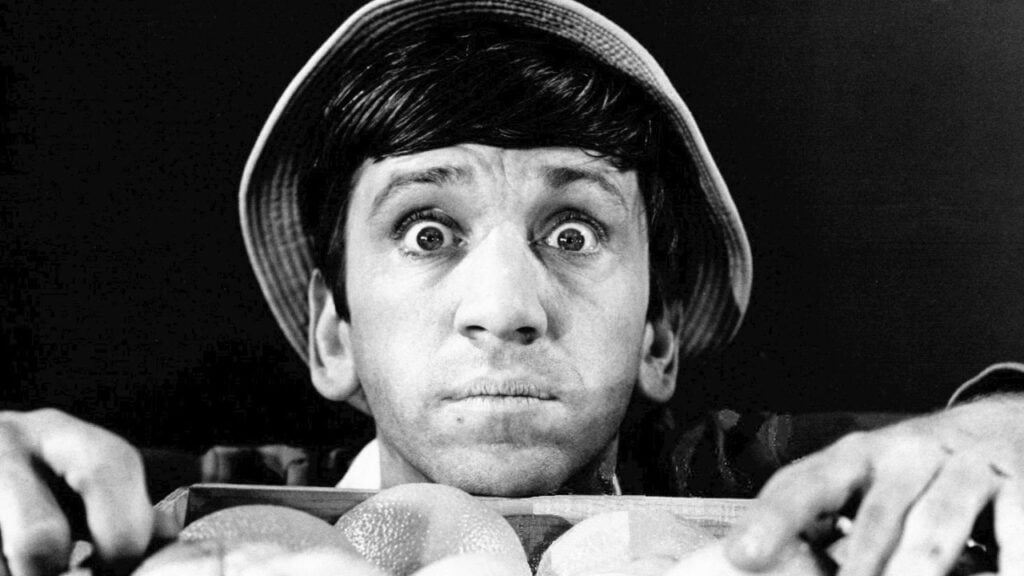
For many Americans, Gilligan’s Island was a silly, beloved sitcom. But as it turns out, this little island paradise was hiding some juicy trivia.
19 Gilligan’s Island Facts Even the TV Show’s Biggest Fans Don’t Know

