

12 Ways Suburban Hoosiers Shopped Before Amazon

Long before Amazon ruled the scene, Indiana’s suburbs had a whole different rhythm. Running errands meant getting in the car, walking store aisles, and chatting with people you knew.
It wasn’t as fast or as easy, but it was part of the routine.
Now, most of that has disappeared. Online orders are quick, but they’ve replaced a lot of simple habits that once defined suburban life.
Order from Paper Catalogs
Long before Amazon wish lists, people browsed big, glossy catalogs. Sears, JCPenney, and Toys “R” Us all sent out seasonal books filled with everything from pajamas to patio furniture.
Kids would circle their favorite toys, and parents would write down item numbers and mail in the forms.
Ordering meant waiting, sometimes as long as weeks. But it was exciting.
Catalogs still exist in small ways, but most have disappeared.
Online stores offer more convenience, but the charm of flipping through pages on the couch is mostly gone.
Drive Store to Store to Price Compare
If you wanted the best deal, you had to work for it. That meant driving around town, checking prices at multiple stores, and hoping the item was still on the shelf.
Suburban shoppers knew which places had the best clearance racks or which days markdowns happened.
It wasn’t uncommon to visit three or four stores just to decide where to buy one item. Sometimes you’d go home empty-handed just to think it over.
It took time, but it gave people a sense of control over their spending.
Now, a quick search shows you dozens of prices in seconds. You can sort by reviews, compare sellers, and click to buy. It’s easier, but far less personal.
Return Items in Person
Returning something used to mean walking back into the store, explaining why it didn’t work, and chatting with a real person.
Some stores had strict policies, while others would take back almost anything as long as you still had the receipt and the tag.
These moments were part of suburban shopping life.
You’d sometimes bump into someone you knew or browse again while waiting in line. It wasn’t always convenient, but it was your only choice.
Today, returns are as easy as dropping a package in the mail. It’s efficient, but it’s also one less reason to step inside a store.
Make Weekly Trips to the Mall
Back in the day, the mall wasn’t just for shopping. It was a hangout spot, a walking route, and sometimes even a lunch plan.
Suburban families would pile into the car and head to the nearest mall for everything from clothes to gifts to electronics. You could spend hours there, even if you didn’t buy much.
There were familiar stores you counted on, and regular stops you rarely skipped. Whether it was Sears, RadioShack, or the food court, everyone had their favorites.
Today, many malls are struggling or are already out of business.
Online shopping is faster and easier, but it doesn’t come with that same sense of weekend routine.
Clip Coupons from the Sunday Paper
Before digital promo codes, people turned to the Sunday paper. It was thick, packed with store flyers and clipped-out deals.
Families would spread them across the kitchen table and go through them with scissors, picking which sales were worth a trip.
Couponing wasn’t just about saving money. It was a habit, and it made you feel like a smart shopper.
Some people kept accordion folders of coupons organized by category. Others just stuck them on the fridge and hoped to remember them at checkout.
Now, most of those same deals show up online or not at all. People search for discount codes while they’re already checking out, and the old scissors-and-paper method has faded into memory.
Go to the Mall to Buy Last-Minute Gifts
When a birthday or holiday crept up on you, there was no such thing as one-click shopping. You jumped in the car and headed to the mall or a nearby shopping center.
You might walk the aisles of Macy’s or Bath & Body Works trying to find something that looked just right.
Many people had a mental list of “safe” gift stores they could count on. And if all else failed, you could grab a greeting card, a gift bag, and a box of candy on the way out.
Now, people add to their Amazon cart and let same-day delivery do the work.
It saves time, but it also takes away the creative challenge and the sense of satisfaction that came with picking out a gift in person.
Wait for Sales to Shop Big
In the past, suburban shoppers waited for the big sale weekends. Memorial Day, Labor Day, Black Friday—these dates mattered.
Stores mailed out flyers in advance, and people made plans. They’d wake up early, stand in lines, and get excited for doorbusters.
Buying something at full price felt wasteful. It was better to wait. You knew the item would go on sale eventually, and part of the fun was scoring a deal at just the right time.
Amazon flipped that idea on its head.
Now, prices change constantly, and there’s always a deal around the corner. Some people still track sales, but most no longer build their weekend plans around them.
Have Loyalty Cards for Every Store
Suburban shoppers used to carry a whole stack of plastic loyalty cards. They were crammed into wallets, hanging on keychains, or stored in glove compartments.
Every major store had one, and using them meant you earned discounts, coupons, or free items over time.
You’d hand over your card at checkout, collect your points, and maybe even get special coupons in the mail. It was part of the shopping experience.
Today, most of those rewards have gone digital. Apps do the tracking, and in some cases, the loyalty perks have disappeared entirely.
Read Customer Reviews in Magazines or Ask Friends
Before product reviews lived online, you had to do your homework another way. Suburban shoppers relied on word-of-mouth, Consumer Reports, and personal experience.
If your neighbor said a certain vacuum cleaner lasted for years, you believed them.
Sometimes you clipped reviews from the newspaper or brought a magazine with you to the store. It took time to compare products, and often you had to trust your gut or hope for a generous return policy.
Now, a few clicks will show you hundreds of reviews from strangers.
It’s easier than ever to do your research, but the process feels less personal than asking someone you trust.
Browse Store Circulars for Fun
Suburban households often had a small stack of store circulars sitting by the front door or tucked in with the Sunday paper.
These weren’t just for budgeting; they were also a form of entertainment. People would flip through them during breakfast or while watching TV, mentally planning out their next errand run.
Even kids got into it, especially when the toy catalogs rolled around. Highlighting items or cutting them out to make a wish list was a common weekend activity.
Today, most ads are digital or personalized to your past searches.
You don’t browse casually; you search with a purpose. That change means the casual discovery part of shopping has quietly disappeared.
Stop by Just to “See What’s New”
In the past, going to stores wasn’t always about needing something. People would pop into places like Bed Bath & Beyond, Old Navy, or Best Buy just to see what was in stock.
It was a break in the day, a reason to leave the house, and sometimes just something to do after picking up coffee.
Window shopping didn’t require pressure to buy. You could walk around, pick things up, and leave with nothing. And if you found something fun or unexpected, even better.
Now, most people browse online. They search for something specific, buy it, and log off.
The joy of stumbling on a surprise while walking through a store doesn’t happen nearly as often as it used to.
Pick Up Online Orders at the Store
In the early days of online shopping, ordering something didn’t always mean home delivery. Many suburban shoppers used the “ship to store” option.
You’d place an order online, wait a few days, and then drive over to pick it up at the customer service desk.
It wasn’t fast, but it gave you the security of getting the item without paying for shipping. Plus, you could inspect it right there and return it if needed. It gave shoppers a blend of online convenience and in-person service.
Now, doorstep delivery has taken over.
Most people don’t want to make an extra trip when they can just open their front door and grab the box.
Do You Belong in a Different Decade?
If you ever circled toys in a catalog, flipped through coupon flyers, or wandered the mall just for fun, your shopping style might be frozen in time. And that’s not a bad thing.
Take our Decade DNA Quiz to find out which classic American era fits you best. It’s fast, fun, and filled with sweet nostalgia.
Meet Your Match. Discover Your Decade DNA. (Your Vintage Roots Are Showing)

14 Things Every ’70s Kid Had in Their Lunchbox

From smashed sandwiches to sticky pudding cups, here’s a look at all the classic foods every ‘70s kid had crammed inside their trusty lunchbox.
14 Things Every ’70s Kid Had in Their Lunchbox
19 Gilligan’s Island Facts Even the TV Show’s Biggest Fans Don’t Know
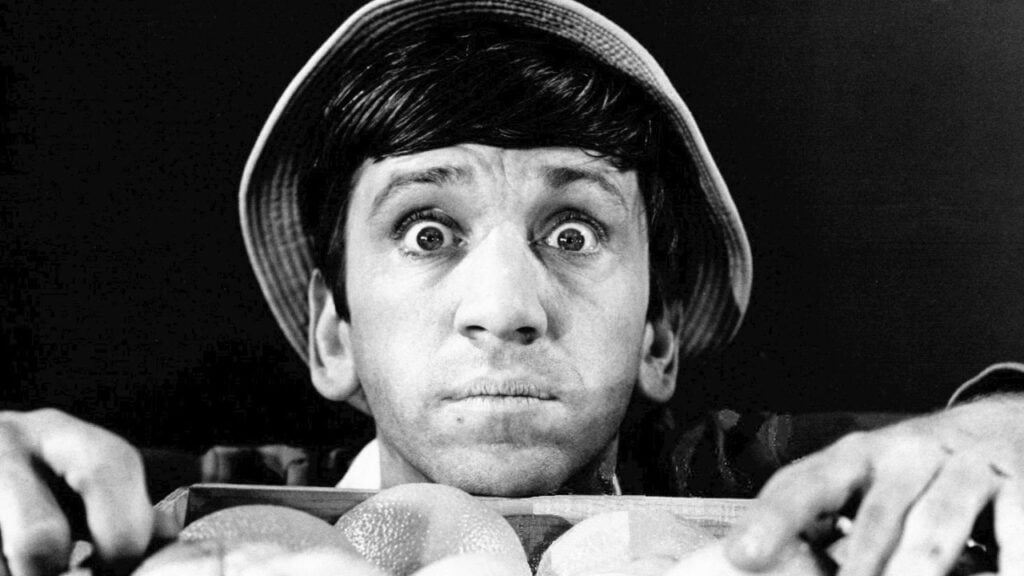
For many Americans, Gilligan’s Island was a silly, beloved sitcom. But as it turns out, this little island paradise was hiding some juicy trivia.
19 Gilligan’s Island Facts Even the TV Show’s Biggest Fans Don’t Know

