
13 Things Virginia Boomers Say Without Realizing They’re Offensive Nowadays

Washington’s NFL team dropped its old name, and dictionaries now label that word offensive.
Many Virginians grew up saying words like that without meaning any harm, and they land differently now.
Here are the things Virginia boomers say without realizing they’re offensive nowadays, and why they’ve fallen out of favor.
1. Handicapped
For a lot of boomers, “handicapped parking” is just an everyday phrase.
The Americans with Disabilities Act (ADA) National Network’s writing guide calls “handicapped” outdated and unacceptable for people and accessible spaces.
The wording for the spot you pull into is “accessible parking.”
Merriam-Webster is more cautious, labeling the adjective “sometimes offensive” when it means having a physical or mental disability.
2. Gypped
The root word, “gyp,” is labeled informal and offensive.
The cheating and swindling uses are widely regarded as offensive because of the word’s link to a term for the Romani people.
For some boomers, “gypped” is a casual way to say they were cheated, and you might have heard it yourself.
3. Indian Giver
The phrase “Indian giver” is dated and offensive.
It’s defined as a person who gives something and then takes it back or expects an equivalent in return.
Many boomers picked up the phrase as an everyday saying, and you might remember it that way.
The phrase refers to Native Americans.
Congress granted federal recognition to six Virginia tribes in 2018, including the Rappahannock, the Monacan and the Chickahominy.
4. Hillbilly
Merriam-Webster defines “hillbilly” as a person from a backwoods area and labels it often disparaging and offensive.
For some boomers, “hillbilly” is a casual word, and you might hear it as a joke.
Virginia’s Appalachian Region, as the Appalachian Regional Commission (ARC) defines it, includes 25 counties and eight independent cities, among them Lee, Grayson and Highland counties.
5. Oriental
Many boomers heard “Oriental” used for people as an ordinary word, a habit you might recall.
When “Oriental” describes a person, it’s labeled dated and usually offensive.
A 2016 federal law removed “Oriental” from two federal laws, along with an outdated term for Black Americans.
The replacement wording lists “Asian American,” among other groups.
Oriental Rugs and Oriental Cats
Merriam-Webster doesn’t treat “Oriental” as offensive when it names an oriental rug or a cat breed called the Oriental Shorthair.
The usage note ties the word for a person to a long history of association with colonialism.
6. Colored
Lots of boomers grew up hearing the word in everyday talk, and you might have too.
In most nonhistorical contexts, Merriam-Webster’s usage note says, the noun is now considered unacceptable.
As a noun for a person, “colored” is labeled dated and offensive.
The word remains in the full name of the National Association for the Advancement of Colored People (NAACP).
Its adjective note lists “Black” as preferred.
7. Wheelchair-Bound
A Wisconsin broadcasters’ newsroom post calls “wheelchair-bound” outdated and offensive to many people who use wheelchairs.
Quite a few boomers have used “wheelchair-bound” for years without thinking twice.
The National Institutes of Health (NIH) style guide prefers “person who uses a wheelchair” or “wheelchair user” over “wheelchair-bound” or “confined to a wheelchair.”
Psst! How much do you know about Virginia’s words and sayings? Take our quiz and see if you can ace it.
Quiz
Virginia Word IQ
Answer nine questions on Virginia’s words, sayings and language history. We bet you can’t get them all right. Prove us wrong?
Where did the slogan “Virginia Is for Lovers” first appear, according to the state’s tourism corporation?
8. Eskimo
Canada has long treated "Eskimo" as a word to avoid, and Merriam-Webster gives it an often offensive label.
Its usage note calls it a word imposed on Indigenous peoples by people outside their communities.
In Canada, some native people call themselves Inuit, which means "people" in their language.
Not every group the old word covers is Inuit.
A 2016 federal law struck "Eskimo" from two older statutes, which now list "Native American" and "Alaska Native" instead.
9. Crippled
The ADA guide lists "cripple" among its examples of offensive language.
Merriam-Webster labels the adjective "crippled" offensive.
The NIH style guide tells writers to avoid using disability as a metaphor.
Its example turns "cripples the service" into "slows down the service."
10. Washington Commanders' Old Name
The Washington Commanders' old team name is labeled offensive.
The word is defined as an insulting and contemptuous term for an Indigenous American person.
Many boomers grew up rooting for the team under that name.
The team dropped the name in 2020 and played that season as the Washington Football Team.
The team announced its current name, the Washington Commanders, in February 2022.
11. M-Word for Dwarfism
Some boomers grew up with the M-word.
The M-word is an old term for people with dwarfism, and the Diversity Style Guide says it is now widely considered derogatory.
Little People of America recommends the descriptors short stature, little person or someone with dwarfism.
12. Homosexual as a Noun
Merriam-Webster labels the noun "homosexual" now often disparaging and offensive.
Its usage note says use of the noun has dropped in published, edited text since the mid-1990s.
Phrases built on "gay," "lesbian" or abbreviations such as LGBTQ tend to be preferred.
The media advocacy group GLAAD calls "homosexual" an outdated clinical term and asks writers to avoid it outside direct quotes.
13. R-Word
The R-word, an old term for intellectual disability, is labeled dated and now offensive.
"Intellectually disabled" is preferred over the R-word in medical, educational and regulatory settings, and in general use.
In 2010, Rosa's Law replaced an older medical term in federal law with "intellectual disability."
Virginia made the same swap in its capital-case statutes in 2017.
7 Food City Secrets Virginia Employees Wish Shoppers Knew
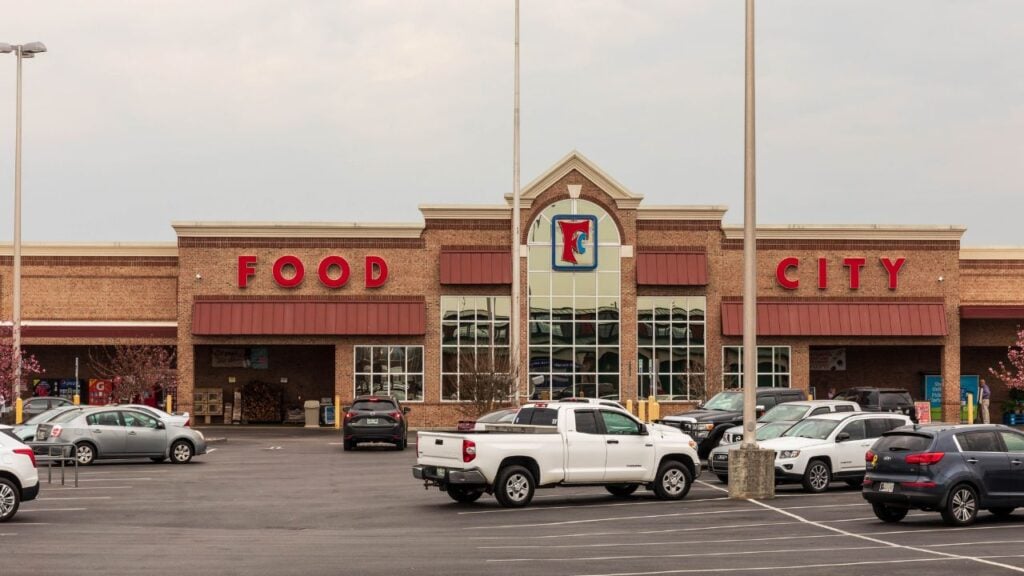
A few Food City details are worth knowing before your next trip.
Virginia employees share the secrets they wish shoppers knew.
7 Food City Secrets Virginia Employees Wish Shoppers Knew
4 Things That Set a Virginia County Fair Apart
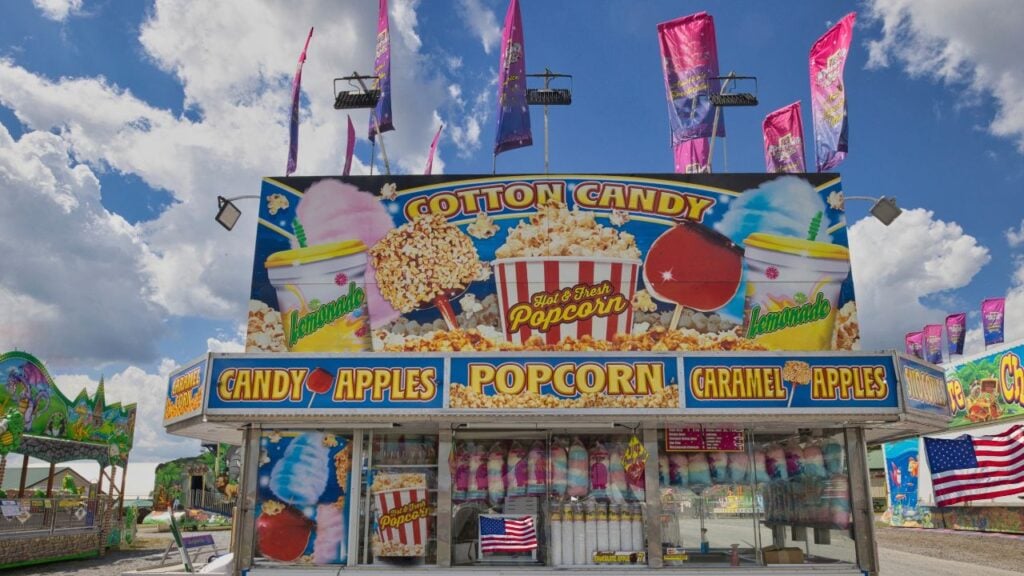
Virginia's county fairs look familiar at first glance.
Here's what sets one apart from the rest.
