
14 Annoying Driving Habits That Make Illinoisans Hate Their Morning Commute

Morning traffic in Illinois can turn even the calmest driver into someone tightly gripping the wheel.
Between slow merges, last-second lane changes, and people who treat speed limits like a vague suggestion, the daily commute is rarely a peaceful start to the day.
These bad habits aren’t unique to Illinois, but they can feel amplified when you’re stuck bumper-to-bumper with strangers before your second cup of coffee.
Speeding Through Yellow Lights
Many people rushing to get to the office treat a yellow light as a signal to hit the gas rather than slow down.
This choice can result in drivers entering intersections just as others begin to cross.
Rushing through a yellow often leads to sudden stops for the cars behind when the light turns red sooner than expected.
A safer habit is to slow down and prepare to stop when the light turns yellow, unless you’re already too close to safely stop.
Morning commutes are stressful enough without adding the dangers of risky intersection behavior.
Drivers Who Refuse To Use Turn Signals
It’s one of the simplest ways to help keep the roads safe, yet many drivers skip it entirely.
Failing to signal can lead to confusion, near misses, and plenty of frustration for others trying to anticipate the next move.
This habit often comes from either laziness or the belief that no police are around to see it.
But even if the road looks clear, other drivers or cyclists can be just out of view.
Using a turn signal is quick and easy, and it gives everyone around you time to react. Skipping it only adds to the chaos of rush hour.
Tailgating In Stop-And-Go Traffic
Some drivers can’t seem to resist staying inches from the bumper in front of them, even when no one is going anywhere fast.
This aggressive style does nothing to shorten the commute and can cause minor fender benders.
Tailgating can also increase stress for the driver being followed. Seeing a vehicle too close in the rearview mirror often leads people to make sudden, unsafe lane changes to get away.
Keeping a safe distance from other cars might not make traffic move faster, but it keeps the ride calmer and safer for everyone.
Last-Second Lane Changes
We’ve all seen the driver who realizes at the last possible second that they’re about to miss their exit.
Instead of calmly circling back, they cut across lanes, causing everyone around them to slam on the brakes.
These sudden moves are dangerous, especially at higher speeds. They can catch other drivers off guard and lead to side-swipe collisions.
It’s better to miss an exit than to put yourself and others in danger with a reckless move. The next off-ramp is never that far away.
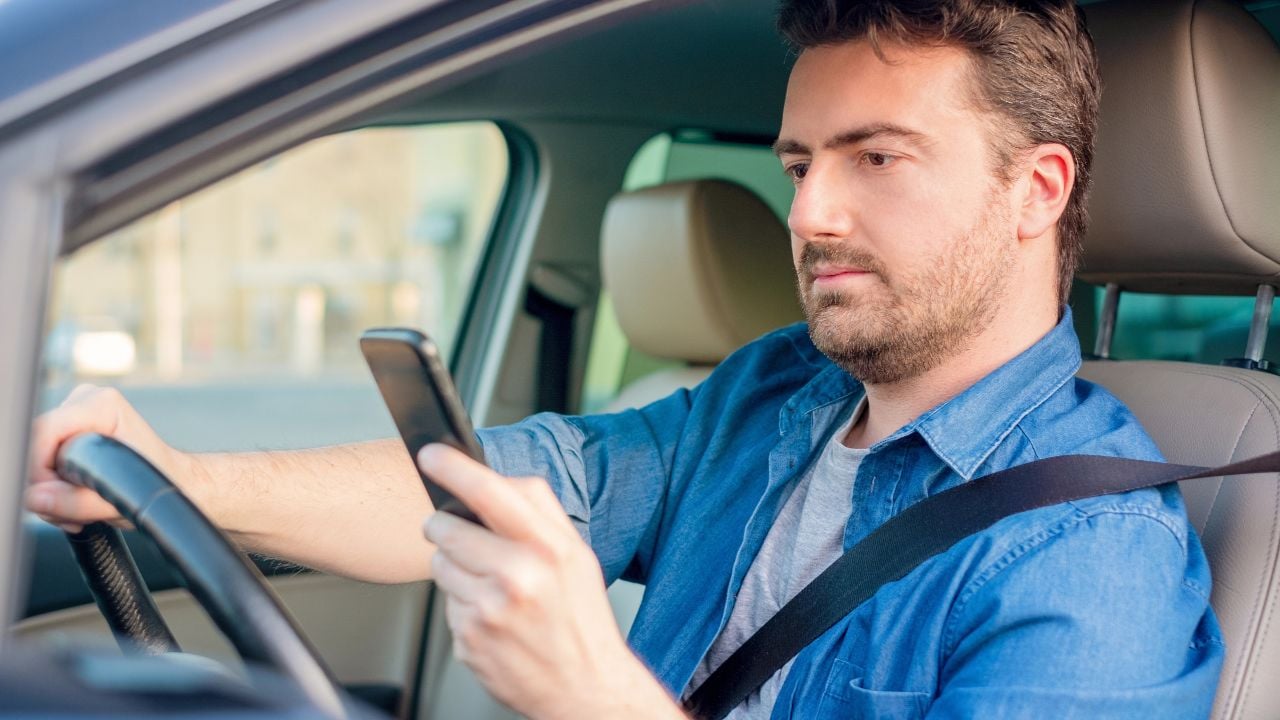
Drivers Distracted By Their Phones
Phones are one of the biggest distractions on the road today.
Checking a text or scrolling through a playlist takes only a few seconds, but it’s long enough to miss a sudden stop or a light turning red.
Morning commuters often see drivers drifting in their lanes or reacting late to traffic changes. In many cases, the culprit is a phone in the driver’s hand.
Distracted driving slows traffic, increases accident risk, and makes the roads unpredictable.
Keeping both hands on the wheel and eyes forward benefits everyone. The text or notification can wait until the car is parked.
Blocking the Passing Lane
Some drivers settle into the left lane and stay there no matter how fast or slow they’re going.
This habit frustrates others who are trying to pass and often leads to more dangerous lane changes.
The left lane is meant for passing, not for setting a leisurely pace. When it’s blocked, faster drivers are forced to weave around, which slows the flow of traffic.
Moving back to the right after passing is a simple courtesy that keeps traffic moving smoothly for everyone.
Overusing The Horn
A quick tap of your horn can be helpful for alerting another driver. But some use it as a constant expression of frustration.
This habit does little to solve the problem and makes other drivers feel more tense.
Excessive horn use can startle drivers and cause them to make sudden, unsafe moves.
Many times, the situation doesn’t require honking at all. Waiting a few seconds can resolve most minor slowdowns without the added frustration.
The horn should be a tool for safety, not a vent for impatience.
Parking Lot Shortcuts That Spill Into Traffic
Some drivers cut through gas stations, store lots, or side streets to avoid a red light or a traffic jam.
While it may save them a few seconds, it can create confusion for other drivers and pedestrians.
These shortcuts often lead to unexpected merges, forcing others to brake suddenly. They can also block crosswalks and driveways.
Staying in the proper lane might take a little longer, but it keeps traffic flow safer and more predictable.
Not Letting Merging Cars In
Morning traffic often means two or more lanes are trying to merge into one.
Some drivers make this harder by speeding up to block others from entering.
Refusing to allow a merge slows everyone down. It creates bottlenecks that ripple back for dozens of cars and can lead to fender benders.
A quick adjustment in speed to let one car in can keep traffic flowing much more smoothly.
Abrupt Braking Without Reason
It’s frustrating to be behind a driver who brakes sharply even when there’s no visible obstacle ahead.
This habit keeps everyone on edge and can cause accidents in heavy traffic.
Often, this happens because the driver is distracted or realizes they were driving too fast.
Smooth, predictable driving is safer for everyone and makes the morning commute less stressful.
Cutting Off Buses or Large Vehicles
Buses, delivery trucks, and other large vehicles need more time and space to maneuver. Some drivers cut in front of them, underestimating the stopping distance required.
This risky move can force the larger vehicle to brake suddenly, creating hazards for every driver nearby.
It can also block the driver’s view and lead to missed turns or stops.
Allowing extra space for bigger vehicles keeps the roads safer for everyone, especially during the busiest hours.
Blocking Intersections During Heavy Traffic
When traffic is backed up, some drivers still pull into the intersection even when it’s clear they won’t make it through before the light changes.
This leaves cross traffic stuck when the light turns green.
Blocking an intersection is not only frustrating for other drivers but can also cause confusion and unsafe lane changes as people try to get around.
It’s often the result of impatience, with drivers thinking they can squeeze through at the last second.
Waiting until there is enough space to clear the intersection helps keep traffic moving in all directions.
Ignoring Pedestrians At Crosswalks
Morning commutes often pass through areas with foot traffic, yet some drivers fail to yield to people waiting to cross.
This can put pedestrians at risk and slow traffic when they step into the road unexpectedly.
Failing to acknowledge a crosswalk can also create confusion for other drivers who may stop suddenly when they see someone stepping out.
Being mindful of crosswalks is especially important near schools, bus stops, and downtown areas.
A small pause to let pedestrians pass is safer for everyone and prevents unnecessary delays.
Overcrowding Exit Ramps
During rush hour, some drivers line up early in the exit lane, while others try to squeeze in at the last possible moment.
This causes slowdowns and irritation for the drivers who have been waiting for their turn.
Late mergers can force quick braking, create bottlenecks, and lead to aggressive driving.
The constant stop-and-go can also back traffic up onto the main highway.
It may not seem like much, but organized lane use can make a big difference in the morning commute.
14 Restrictions American Men Faced in the Early 1900s

One hundred years ago, there were many things men weren’t allowed to do from a legal or societal perspective.
Whether it was about fashion, feelings, or family roles, these are some of the strict rules that governed men a century or more ago.
14 Restrictions American Men Faced in the Early 1900s
19 Historical U.S. Myths That Annoy History Buffs to the Core

If your teacher taught it in history class, it’s normal to assume it’s true. Ask any historian, though, and you might be surprised to learn the stuff of school history lessons is often riddled with inaccuracies.
19 Historical U.S. Myths That Annoy History Buffs to the Core
Think You Belong in a Different Decade?
From big bands to big hair, our playful Decade DNA Quiz reveals which classic American era fits your personality best. It’s fast, fun, and full of vintage flair.
Meet Your Match. Discover Your Decade DNA. (Your Vintage Roots Are Showing)


