
14 “Smart” Prepper Tricks That Actually Backfire for Illinoisans in a Real Crisis

Illinois preppers love a good hack. And while some survival tactics truly help, others are little more than myths dressed up as smart strategies.
The trouble is, when you’re facing a real crisis, there’s little room for error. A trick that backfires doesn’t just waste your time; it can put you in danger.
Before relying on any prepper advice, it’s worth knowing which ones are better left off your checklist.
Stashing Cash but Forgetting Small Denominations
It sounds smart to keep emergency cash on hand. When power is out or banks are closed, paper money is king.
But stashing only large bills is a mistake. In a real crisis, no one wants to break a $100 bill for a loaf of bread or a gallon of gas.
Small denominations become far more useful.
A smarter move is to store a mix of small bills in different safe places. That way, the cash works the way it should when things get tough.
Relying Only on Canned Food Without Balancing Nutrition
Canned goods feel like the ultimate survival food. They’re cheap, last for years, and don’t need refrigeration.
Many preppers fill shelves with soups, beans, and vegetables, thinking they have it all covered.
The problem is that canned food alone can lack balance. Too much sodium, not enough protein variety, and little in the way of fresh vitamins can take a toll over time.
In a short emergency, it works fine, but longer stretches bring health challenges.
Smart prepping means mixing in shelf-stable proteins, dried fruits, and items that add nutrition and comfort.
Overloading on Batteries Instead of Investing in Rechargeables
Batteries are one of the first things people grab for an emergency kit. Flashlights, radios, and small tools all need them. Stockpiling disposable batteries feels like the easiest solution.
The catch is that batteries run out fast, especially when used daily. Even worse, they can corrode over time, leaving you with a drawer of useless supplies.
Rechargeable options, paired with solar chargers or crank devices, stretch further in the long run.
Preppers who lean only on disposables often end up stuck when their stash runs dry. Rechargeables add resilience that stockpiles alone cannot guarantee.
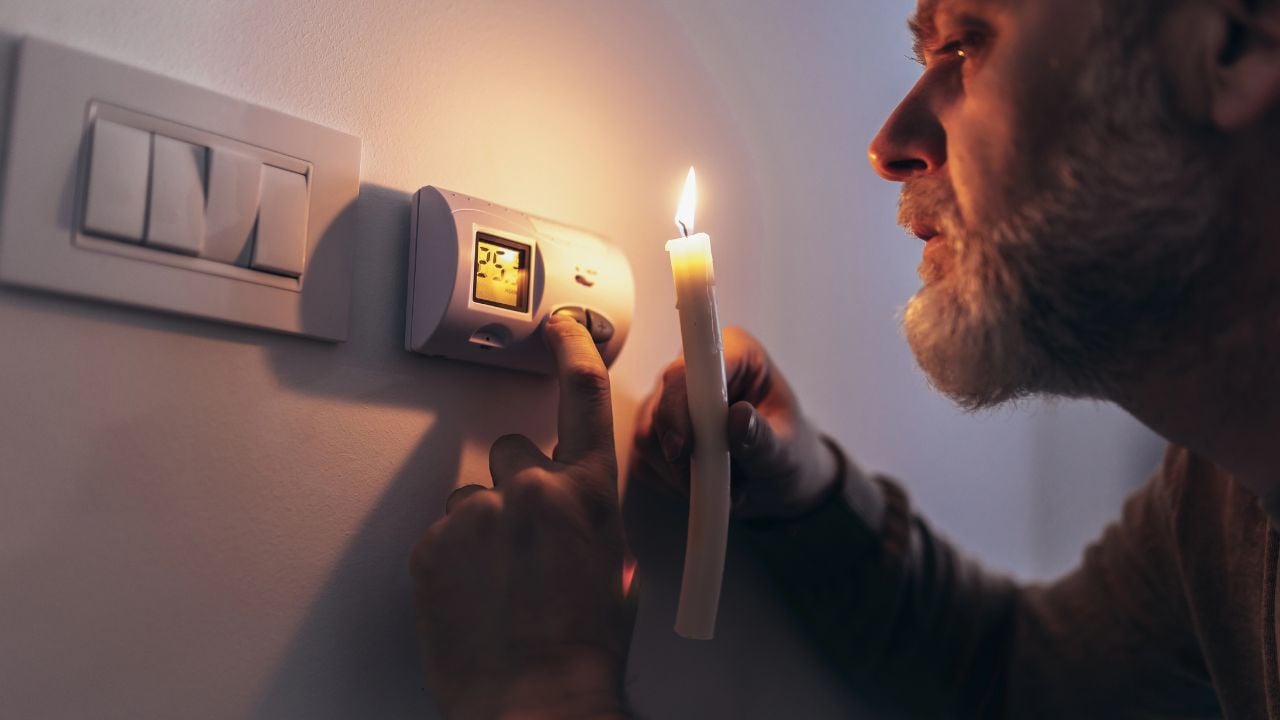
Using Candles as the Primary Backup for Light
Candles are cheap, easy to find, and give off a comforting glow. That’s why so many preppers stock up on them for power outages.
But in a real crisis, candles quickly show their limits. They don’t provide much light, they burn out fast, and they create serious fire risks.
Flashlights, lanterns, and solar lights are safer, longer-lasting alternatives.
Candles still have a place, but relying on them as the main backup sets people up for trouble.
Stockpiling Gasoline Without Safe Storage Plans
Many preppers fill gas cans and tuck them away, thinking fuel will solve everything. Cars, generators, and tools all depend on it, so it feels like a smart move.
The problem is that gasoline does not keep well. Without stabilizers and proper containers, it breaks down within months.
The smarter plan is to rotate fuel regularly, use stabilizers, and store it in approved containers.
Without that, the fuel stash is more dangerous than helpful.
Building a Bug-Out Bag That Is Too Heavy to Carry
Packing a bug-out bag feels like the ultimate prepper move. People load them with tools, food, water, and gear to cover every possible need.
The trouble starts when the bag is actually lifted. Overstuffed packs can weigh more than 40 or 50 pounds, which becomes nearly impossible to carry for long distances.
Another problem is that many preppers never test their bags. They build them, stash them in a closet, and assume they are ready. The first time they try to use them is during a crisis.
A smarter approach is to keep the essentials and practice carrying the bag. If it’s not manageable on a long walk, it’s not a real solution.
Trusting Buckets of Freeze-Dried Food Without Testing Them
Freeze-dried meals are a favorite among preppers. They last decades, are lightweight, and promise full nutrition when rehydrated.
Storing buckets of them seems like an easy win.
What many forget is that these meals often need more than hot water. Without fuel or a clean water supply, they’re not as simple as advertised.
Taste can also be a shock. Some meals are bland, salty, or hard to stomach over time. Without testing them first, families may be stuck with food no one wants to eat.
Trying products before stockpiling makes all the difference. The bucket may look impressive, but it can fail if it’s not practical for daily use.
Relying on a Single Water Source With No Backup
Water is the most critical resource in any crisis. Many preppers store a large container or buy a filter and assume they are covered. It feels secure to have one strong plan.
The flaw is that a single source can run dry, fail, or become contaminated. If that happens, there’s no backup. Even the best filter can break when it is needed most.
Experienced preppers know that water should come from multiple places. Stored jugs, filtration tools, and purification tablets all play a role.
Without variety, a prepper’s water plan is fragile. One problem can turn a safe situation into an emergency within hours.
Ignoring Communication Tools Beyond Cell Phones
Cell phones feel like lifelines. They connect people instantly and hold apps for weather, maps, and alerts. Many preppers assume keeping phones charged is enough.
But during large-scale crises, towers go down, batteries drain, and service disappears. A charged phone does little when the network is gone.
Ignoring other tools, like radios or walkie-talkies, leaves people isolated. Without backup communication, families cannot coordinate or get reliable updates.
A mix of tools is key. Cell phones are valuable, but they shouldn’t be the only lifeline. Relying on them alone sets people up for frustration and danger.
Copying Online Prepper Hacks Without Practicing Them
The internet is full of clever survival tips. From makeshift stoves to DIY shelters, the ideas look easy to copy. Many preppers bookmark them and feel prepared.
The problem is that theory rarely matches reality. Hacks that work in videos can fail in bad weather, under stress, or with missing materials.
Without practice, people discover too late that the trick doesn’t deliver. Emergencies aren’t the time to experiment for the first time.
Testing skills ahead of time makes all the difference. Prepper hacks may look smart, but without real experience, they backfire when it matters most.
Building Secret Stashes but Forgetting to Rotate Supplies
Hiding supplies in secret stashes feels like a clever way to prepare. Some preppers bury food, tuck items in attics, or create hidden compartments to keep resources safe.
The problem is that supplies expire. Cans rust, boxes get damp, and forgotten items lose their usefulness over time.
A stash that sits untouched for years may not be edible or safe when it’s finally needed.
A better approach is to rotate supplies regularly and keep clear records. Prepping works best when items are fresh and accessible, not hidden and forgotten.
Relying on Guns Without Adequate Training or Safety
Owning a firearm feels like the ultimate line of defense for many preppers. Having one in the home gives a sense of control and protection. But without proper training, it can do more harm than good.
Untrained handling leads to accidents, especially in high-stress situations. Family members may not know the basics of safety, which raises the risk even further.
Another problem is that firearms require maintenance. Without cleaning, practice, and correct storage, they may fail at the worst possible time.
Preparedness isn’t just about owning a gun. It’s about knowing how to handle it responsibly and making sure everyone in the household understands the rules.
Using Mylar Bags Without Oxygen Absorbers
Mylar bags are a favorite for long-term food storage. They keep out light, pests, and moisture, making them look like the perfect solution. Many preppers fill them and assume the job is done.
The catch is that without oxygen absorbers, food still spoils. Air trapped inside the bag shortens shelf life and invites mold or bacteria. What looks secure often isn’t.
Another mistake is sealing bags without checking them. If the seal isn’t airtight, the storage effort fails. Months later, the food may be ruined.
For Mylar bags to work, they need oxygen absorbers and careful sealing. Skipping that step turns a smart-looking plan into wasted supplies.
Skipping Medical Supplies in Favor of More Gear
It’s easy to get caught up in tools, weapons, and gadgets when building a prepper kit. Shiny gear feels exciting and important. But too many preppers overlook medical basics.
Without bandages, antiseptic, or pain relievers, even minor injuries become serious. A small cut or infection can spiral in a situation where hospitals aren’t accessible.
Another common oversight is skipping prescription needs. People may not think about backup glasses, inhalers, or essential medications until it’s too late.
Stocking medical supplies doesn’t look as flashy as a new piece of gear, but it’s what saves lives in real emergencies. A kit without it is incomplete.
18 Recipes Grandmas Always Took to Church Potlucks

In old-school America, your grandma didn’t need a crown to rule the church potluck. She just needed a slow cooker and a handwritten recipe card.
18 Recipes Grandmas Always Took to Church Potlucks
25 Traditions Young Americans Have No Interest In Keeping Alive

These days, many young people aren’t clinging to the same customs their parents and grandparents swore by.
From hosting formal dinner parties to sending holiday cards, these are the traditions that just don’t feel as relevant anymore.
25 Traditions Young Americans Have No Interest In Keeping Alive
Which Classic American Decade Is Totally You?
Take a quick break and discover which classic American era matches your personality and old-school soul. Our Decade DNA Quiz is fast, fun, and full of feel-good retro energy.
Meet Your Match. Discover Your Decade DNA. (Your Vintage Roots Are Showing)


