

14 Strange Things Wisconsinites Could Order From Sears Catalogs

The Sears catalog was once the ultimate shopping guide, filled with everything from socks to entire houses.
Wisconsinites and Americans across the U.S. flipped through its pages with excitement, circling items that caught their eye.
Hidden among the practical goods, though, were some downright strange things that still make us laugh today.
Entire Houses Delivered in a Kit
Yes, Sears once sold full houses in their catalogs. Customers could flip through the pages, choose a style, and have thousands of pieces shipped by train to build their dream home.
It was the ultimate do-it-yourself project long before IKEA was a household name.
Each kit came with everything from nails to windows, and buyers just needed land and a lot of patience. Families often bragged that they lived in a “Sears home,” which became a point of pride in many towns.
The kits weren’t small shacks either. Some included multiple bedrooms, porches, and stylish finishes. For the price, it was a deal that felt almost unbelievable.
Even today, you can find sturdy Sears homes still standing, a reminder of when mail-order shopping changed American neighborhoods.
A Complete Barn Kit for Farmers
Alongside houses, Sears also offered barn kits that came flat-packed for easy shipping. Farmers could order the structure they needed and have it delivered right to their nearest rail station.
It made rural building projects faster and more affordable.
These barns included lumber, nails, doors, and instructions all wrapped into one tidy package. It was a big step up from sourcing materials piece by piece.
For many families, the catalog barn became the centerpiece of their farmland. The structures were so well-made that some still dot the countryside today.
It proved that Sears wasn’t just selling kitchen gadgets and clothing. They were shaping the American farmyard one kit at a time.
A Ready-to-Assemble Mausoleum
Perhaps one of the strangest Sears listings was its build-your-own mausoleum.
While most shoppers turned to the catalog for clothing or stoves, a few flipped straight to the pages offering permanent resting places.
The mausoleum kits came with stone panels, metal fittings, and instructions for construction.
It was mail-order convenience applied to something people rarely expected to buy from a catalog.
For families who wanted to leave a lasting monument, it was cheaper than hiring architects or stone carvers. Sears found a way to market dignity at a discount.
Looking back, it feels surreal that you could order eternal rest from the same book where you’d also find socks, radios, and sewing machines.
Mail-Order Tombstones
Sears didn’t stop at mausoleums. They also offered tombstones in the catalog.
Families could pick out the size, shape, and inscription without ever setting foot in a cemetery office.
The stones arrived ready to be placed, a strange but practical option for remote areas. For rural families, it made sense to order memorials the same way they ordered furniture or tools.
The catalog emphasized affordability, offering dignity at a fraction of the cost of a local monument maker.
Shoppers could literally add a gravestone to their cart alongside household goods.
It sounds unusual today, but back then, Sears positioned itself as the one-stop shop for life, and even for death.
Horse-Drawn Buggies for the Backyard
Before cars took over completely, Sears catalogs still offered horse-drawn buggies. Buyers could select a model, send in their payment, and wait for their new ride to arrive.
These weren’t just display pieces. They came with sturdy wheels, polished wood, and leather seating that looked straight out of the Old West.
Families in small towns or on farms used them for both practical travel and novelty. Owning a buggy from Sears meant you didn’t need a local craftsman to build one.
It was a product that bridged two eras: the fading days of horse-drawn travel and the rise of modern cars in every driveway.
Live Baby Chicks by Mail
One of the quirkiest catalog items was live poultry. Shoppers could order baby chicks by the dozen, shipped right to their post office.
The boxes were vented and designed to keep the chicks warm during travel. For rural customers, this was cheaper and easier than driving long distances to a hatchery.
Families often raised the chicks for eggs, meat, or both. It was part of how Sears became a lifeline for farm households.
The idea of receiving a peeping package in the mail may sound strange now, but it was a regular part of catalog shopping for decades.
Snake Oil Tonics and “Miracle” Elixirs
Long before the FDA cracked down on health claims, the Sears catalog carried bottles of tonics that promised everything from more energy to shinier hair.
They were marketed as cure-alls, often with flowery descriptions that made them sound like magic in a bottle.
The reality was usually sugar, alcohol, or herbal mixtures with questionable benefits. Still, customers bought them in hopes of quick fixes.
The packaging often looked official, with labels that borrowed medical language to inspire trust. For many families, it felt like modern medicine delivered to their door.
Looking back, these miracle elixirs are a reminder of how powerful advertising was in an era before strict regulations.
Medical Quack Devices That Promised Cures
Alongside tonics, Sears catalogs once featured odd devices that claimed to treat pain or improve health.
Shoppers could find items like vibrating belts, magnetic bracelets, and light machines that supposedly cured everything from headaches to arthritis.
The language was persuasive, blending science-like jargon with glowing promises. For people desperate for relief, it was easy to believe.
Some of these gadgets became infamous, often collecting dust once the novelty wore off. But at the time, they felt like the cutting edge of home healthcare.
It shows just how willing Americans were to trust anything labeled “modern” if it came through a trusted source like Sears.
Electric Belts That Claimed to Boost Strength
One of the most bizarre Sear catalog items was the electric belt. Worn around the waist, it was supposed to send currents through the body to build muscle or restore energy.
The idea sounded futuristic, and ads made it seem like a shortcut to vitality without effort.
Who wouldn’t want a gadget that promised results while you sat in a chair?
In practice, the belts delivered uncomfortable jolts and little else. But at the time, they sold well enough to become a memorable piece of catalog history.
Today, they’re remembered as both laughable, fascinating, and proof that “high-tech” doesn’t always equal effective.
A “People-Powered” Washing Machine with Foot Pedals
Before energy efficiency was a buzzword, Sears experimented with people-powered gadgets. One curious option was a washing machine you pedaled like a bicycle.
The concept was simple: hop on the seat, pump your legs, and watch the clothes churn inside the tub.
It promised clean laundry without electricity.
The ad made it sound clever and economical, but in reality, it was more of a workout than convenience. Few families kept pedaling once the novelty wore off.
Still, it stands out as one of the strangest examples of innovation trying to combine fitness and household chores.
A Coal-Burning Stove in Fancy Colors
Heating and cooking appliances were common in catalogs, but Sears added flair by offering coal-burning stoves in unexpected colors.
Shoppers could pick shades that stood out in the kitchen instead of sticking with plain black or silver.
Bright enamel finishes made the stove look modern, even though the technology itself was anything but. It was a mix of old tradition dressed up for a new era.
Families often bragged about owning one that matched their décor. It gave the impression of style as well as practicality.
The colorful stoves are now collectors’ items, remembered for how they turned a workhorse appliance into a statement piece.
Build-Your-Own Pipe Organ
For anyone who wanted a grand hobby, Sears once sold pipe organ kits.
Buyers received boxes of parts, instructions, and the promise that they could assemble a working instrument at home.
The organs weren’t small either. Some required an entire wall in the living room. They became conversation starters and sources of pride for music-loving households.
The kit appealed to people who enjoyed projects as much as playing music. It wasn’t for the faint of heart, but those who finished had a unique centerpiece.
It shows just how ambitious Sears was in offering “everything under the sun,” even if most shoppers never attempted it.
Circus-Style Tent Kits
Yes, Sears once sold circus-style tents big enough to turn a backyard into a fairground. Families could order them for community gatherings, church socials, or just to impress the neighbors.
The catalogs showed wide, striped canopies that looked like they belonged at a traveling show. Setting one up was no small feat, but the effect was unforgettable.
For small towns, the tent kits doubled as makeshift venues when space was limited. They hosted everything from weddings to revival meetings.
The fact that you could buy a mini big top in the same catalog as socks and silverware shows how wide Sears’ imagination really went.
A Full-Size Canoe Shipped to Your Door
Outdoor enthusiasts could order a full-size canoe through the mail with Sears, delivered in sturdy crates to the nearest railway depot.
It was a far cry from picking one up at a sporting goods store.
The catalog emphasized the adventure of gliding down rivers or exploring quiet lakes.
Of course, shipping something that large wasn’t cheap. But for families far from stores, it was the only option. Many considered it worth the investment for years of use.
It proved Sears wasn’t afraid to sell bulky items if customers wanted them, even if it meant filling an entire train car.
12 Items You’re Better Off Buying at Dollar Tree Than Walmart

Everyone loves a good deal, right? But sometimes, people think the cheapest option is always at Walmart—until they step into a Dollar Tree.
Sure, you won’t find fancy brands or the latest electronics. But for everyday stuff, these items from Dollar Tree can save you a ton of money.
12 Items You’re Better Off Buying at Dollar Tree Than Walmart
12 Precautions to Take When Shopping at Dollar Tree
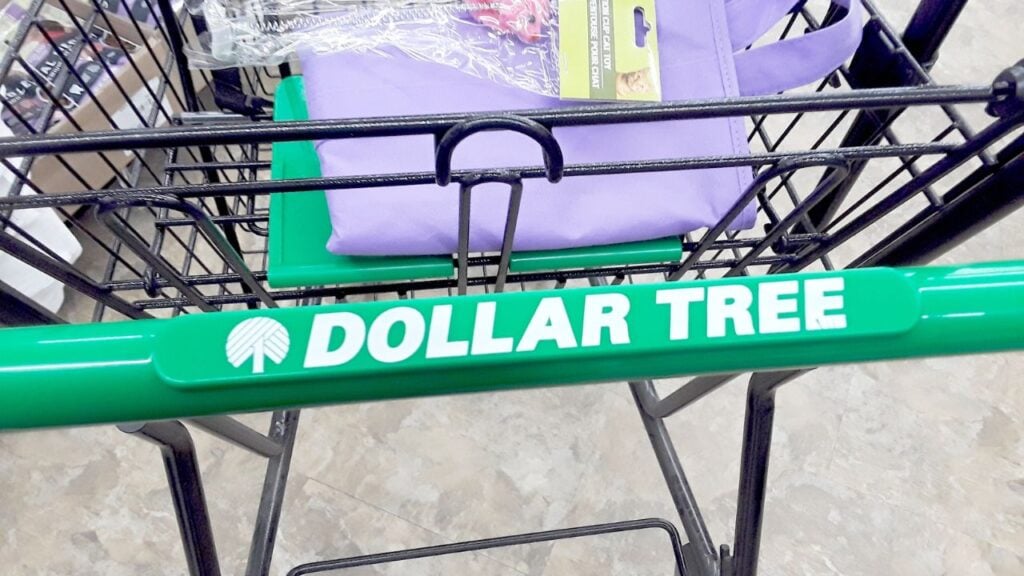
It’s hard not to get a little giddy at Dollar Tree stores. Everything looks like a deal, and it’s so easy to think, “Oh, it’s only a dollar!” (Well, $1.25 now, but who’s counting?)
But from sneaky expiration dates to breakable gadgets, here’s how to shop smarter at Dollar Tree.
12 Precautions to Take When Shopping at Dollar Tree
Think You Belong in a Different Decade?
From big bands to big hair, our playful Decade DNA Quiz reveals which classic American era fits your personality best. It’s fast, fun, and full of vintage flair.
Meet Your Match. Discover Your Decade DNA. (Your Vintage Roots Are Showing)

