
14 Things That Were Better in Texas Before Corporations Got Involved

Not everything gets better when it gets bigger.
Some things were best when they were small, local, and run by Texans who cared about the thing itself rather than the quarterly numbers attached to it.
Here are 14 things that corporations got hold of and changed in ways that still sting.
1. The Local Pharmacy
Before CVS and Walgreens turned every corner into a chain pharmacy experience, the local independent pharmacy was a relationship.
The pharmacist knew your prescriptions, knew your family, and could answer a question about a medication interaction in a way that didn’t require navigating a phone tree or waiting for a callback.
Chain pharmacies are convenient and competent enough.
But what they replaced was something more personal: a professional who knew you as a patient rather than an account number.
The independent pharmacy still exists in some places, albeit rare.
2. College Football
College football before the transfer portal, conference realignment, and the full arrival of Name Image and Likeness money was a sport built around geographic loyalty and genuine regional identity.
You rooted for your team because it was your school, your state, your community.
The corporatization of college athletics has turned it into a professional minor league with academic branding attached.
The loyalty that came from knowing the players were actually from somewhere near you has gotten complicated in ways that older fans feel more acutely than younger ones.
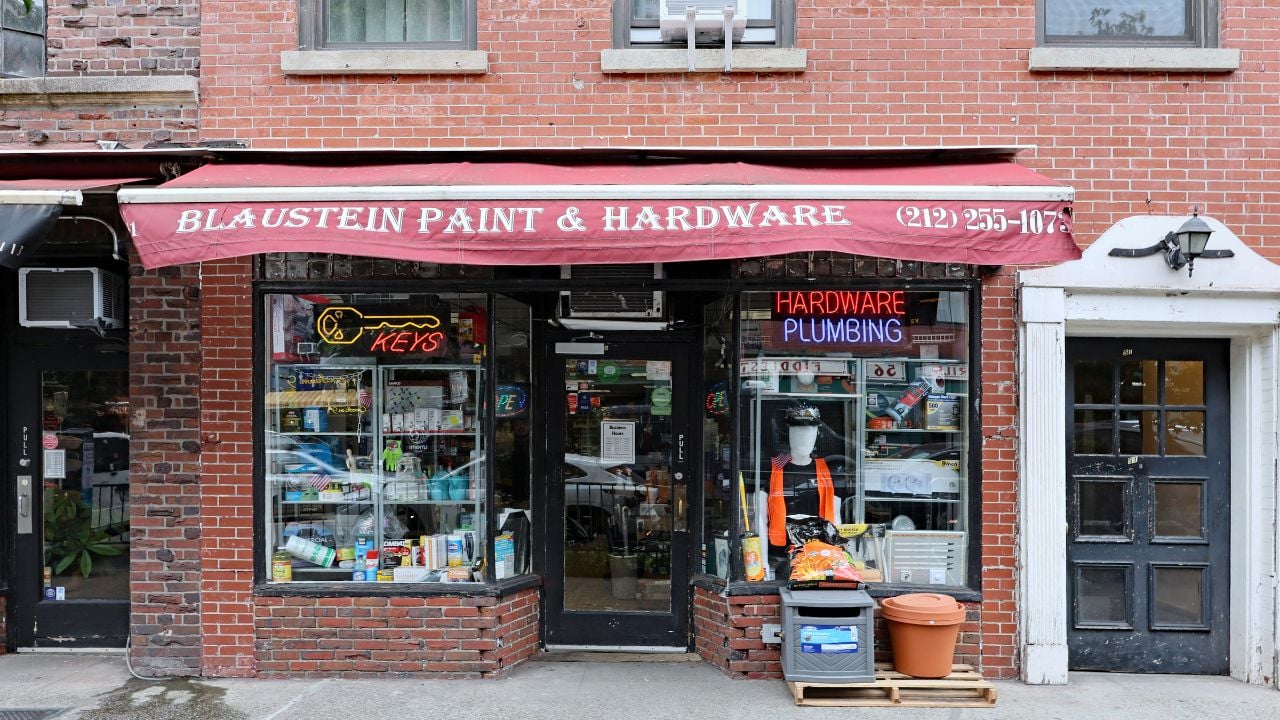
3. The Neighborhood Hardware Store
The hardware store where the owner knew where everything was, could tell you how to do the project you were describing, and sold you exactly what you needed without a self-checkout machine is largely gone.
Home Depot and Lowe’s are enormous and carry pretty much everything.
They replaced something that was smaller, more knowledgeable, and more specifically useful for the person who knew what they were doing and needed expert help rather than a wide selection.
The orange apron can find the aisle.
The hardware store owner could solve the problem.
4. The Music Industry
Recorded music before streaming was an object. An album was a thing you held, a sequence someone arranged deliberately, an artistic statement in a specific order with artwork and liner notes.
The economics of streaming have changed what music can be financially, which has changed what gets made, which has changed the relationship between artists and the form.
Individual songs optimized for playlist placement replaced albums designed as complete statements.
The music is still good. But the format that used to contain it and give it context and weight has been largely replaced by something that’s more accessible and less substantial at the same time.
5. The Small Bookstore
The independent bookstore where the staff actually read the books and could recommend something specific to the person asking was a cultural resource that Amazon and the big chains reduced dramatically.
You described what you liked, and someone who had read it pointed you toward the next thing.
The recommendation came from genuine knowledge and genuine enthusiasm rather than an algorithm that noticed you’d looked at three similar titles.
Independent bookstores have survived in greater numbers than many predicted.
The ones that made it are worth supporting because of what they provide that no algorithm can replicate.
6. Regional Food Chains
Before national chains expanded into every market and pushed out regional competitors, different parts of America had genuinely different fast food and restaurant cultures.
Chains that were specific to the South or the Midwest or the Pacific Northwest gave each region a food identity that didn’t look like everywhere else.
Some of those regional chains survived. Many got acquired, expanded nationally, and lost the regional character that made them what they were.
Some closed entirely.
The homogenization of American restaurant culture has made the country more legible to travelers and less interesting to locals.
7. The Local News
Local news, before the collapse of local newspaper economics, was a community function that nobody thought about much until it was gone.
The reporter who covered the school board and knew the names of everyone on it. The paper that covered the local court case because it involved people from the town. The news operation that existed specifically to keep a community informed about itself.
Corporate consolidation and digital economics have gutted local news in ways that communities are still figuring out how to address.
The gap left by a local paper that closed isn’t filled by a national outlet covering national stories.
It’s filled by nothing.
8. Stadium Experiences
Going to a professional sports game in the era before stadiums became corporate entertainment complexes was a cheaper, louder, and in many ways more authentic experience.
The food was bad, and it didn’t pretend to be anything else. The seats were fine. The crowd was there for the game.
Corporate stadium naming rights, premium seating tiers, club levels, and the general upscaling of the live sports experience have produced nicer venues with more expensive tickets and a different relationship between the game and the people watching it.
Some of what got upgraded was genuinely bad.
Some of what got upgraded was the part that made the experience feel like it belonged to regular people.
9. Holiday Shopping
The holiday shopping season before Black Friday became a month-long event starting in October had a compression and a concentration that gave it energy.
The day after Thanksgiving was the day. Not the Tuesday before. Not the first weekend of November.
The day after Thanksgiving.
The expansion of the sale season into October and the permanent state of discount that online retail produces has diluted both the urgency and the meaning of the holiday shopping experience in ways that department store retailers who survived on that seasonal energy know better than anyone.
10. Airline Travel
Commercial airline travel before deregulation and the low-cost carrier model wasn’t affordable for everyone, which is a genuine and important downside.
But the experience of flying, for the people who flew, had a dignity and a seriousness that budget air travel has entirely abandoned.
The seat fit the person in it. The meal was included. The staff treated the experience as something worth treating carefully.
The democratization of air travel is a real good that shouldn’t be minimized.
The experience of flying having become something most people actively dread is a real loss that happened in the same process.
11. The Corner Store
The corner store in a neighborhood, often family-owned and culturally specific to the community it served, was a daily presence in American urban life that chain convenience stores replaced with something standardized and impersonal.
The owner knew the regulars. The inventory reflected the neighborhood. Extending credit to a neighbor having a hard week was a real thing that happened.
The 7-Eleven didn’t know your name, and it doesn’t now.
That’s not a complaint about 7-Eleven. It’s an observation about what changed when scale replaced character at the most local level of retail.
12. The Middle of the Radio Dial
Before iHeartMedia and a handful of other companies consolidated American radio ownership, local radio stations had local owners with local sensibilities who made programming decisions based on what their specific audience in their specific market responded to.
The DJ who grew up in the city whose station he worked at, who knew the local music scene, who programmed with an identity that reflected where the signal came from.
Consolidated radio replaced this with nationally syndicated content delivered locally, which kept the signal and removed everything that made it special.
Music streaming has now replaced radio for most listeners.
What’s gone is the local voice that radio used to provide before consolidation made it generic.
13. The Summer Camp Experience
Summer camp before the era of helicopter parenting, liability management, and corporate camp ownership was an experiment in independent living for children.
You went somewhere. Your parents couldn’t easily reach you. You figured things out with your peers and your camp counselors without constant parental access.
The independence that camp provided wasn’t incidental to the experience.
It was the experience.
Corporate summer programs with their structured schedules, constant check-ins, and liability-driven risk management produce something that’s safer and less formative at the same time.
14. The Concept of Buying Something Once
Software, music, movies, and an increasing number of physical products have moved from ownership models to subscription models in ways that fundamentally change the relationship between a person and the thing they’re paying for.
You used to buy a record. You owned it. You could play it, lend it, keep it for thirty years.
Now you subscribe to a service that can raise its price, change its library, or disappear entirely, and the thing you thought you had turns out to be access you were renting.
Boomers who grew up buying things and keeping them carry an instinct about ownership that subscription culture is systematically dismantling.
20 Nostalgic Things Americans Could Buy for Under $1 Back in the Day
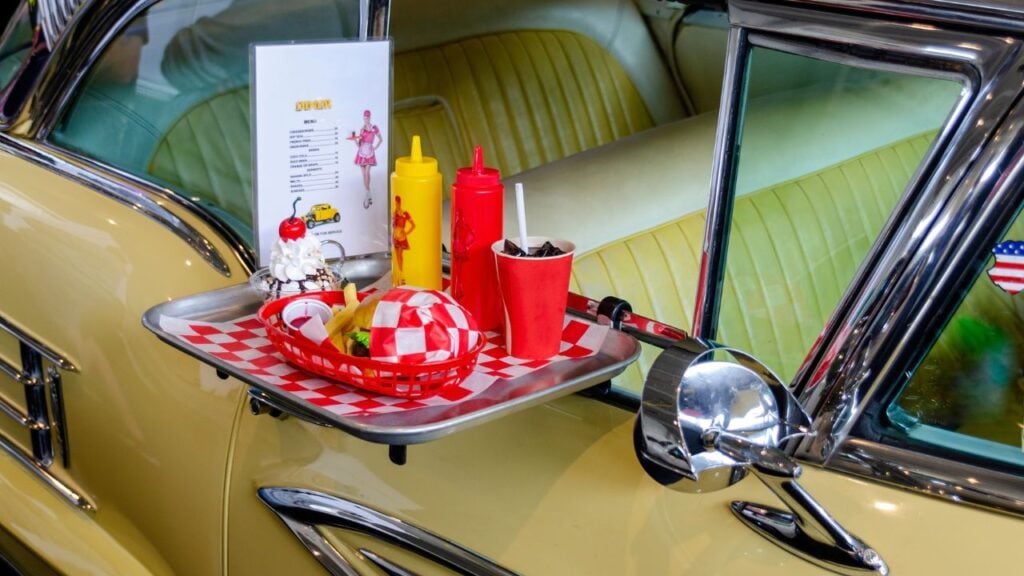
It’s hard to believe now, but there was a time when $1 could buy something meaningful.
Let’s take a trip back to the days when Americans’ pockets didn’t need much cash to bring home something fun, useful, or just plain delicious.
20 Nostalgic Things Americans Could Buy for Under $1 Back in the Day
17 Life Hacks That Are Harder Than the Non-Hack

Life hacks are supposed to make your life easier, and sometimes they really do. However, the internet is rife with hacks that aren’t actually effective.
