15 Chores North Carolina Kids in the ‘70s Were Expected to Do Every Day Without Complaining

North Carolina kids in the 1970s were expected to pitch in without being asked twice. Whether it meant feeding the chickens or sweeping the porch, chores were just part of the day.
It didn’t matter if you were tired or busy. You helped out because that’s what your parents instilled in you.
Making the Bed Every Morning
Kids in the ’70s were expected to start their day by making the bed. It didn’t matter if they were still half-asleep or running late for school. The bed had to be made before you walked out the door.
This wasn’t a fancy military tuck job. It just needed to look tidy. Sheets were pulled tight, pillows fluffed, and maybe a blanket folded neatly at the foot of the bed.
Parents believed that this small task taught discipline and helped set the tone for the rest of the day. It was about forming good habits early.
Skipping this chore? Not an option.
You made your bed before breakfast or heard about it later.
Setting the Table Before Dinner
Dinner didn’t magically appear with everything in place. It was the kids’ job to set the table, and they knew the routine. Plates, silverware, napkins, and cups had to be arranged properly every night.
In some homes, the job rotated. In others, one kid handled it all. Either way, it was a part of the evening rhythm.
Parents didn’t micromanage this chore. You were taught once, and from then on, it was your responsibility to do it right.
And if you forgot something, like the salt shaker or extra napkins? You got up and fixed it without a fuss.
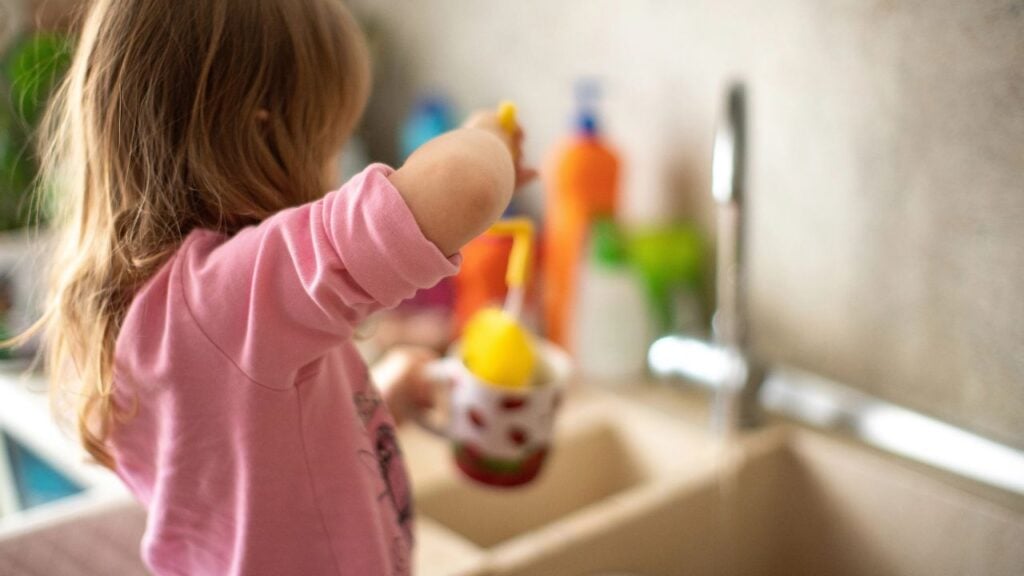
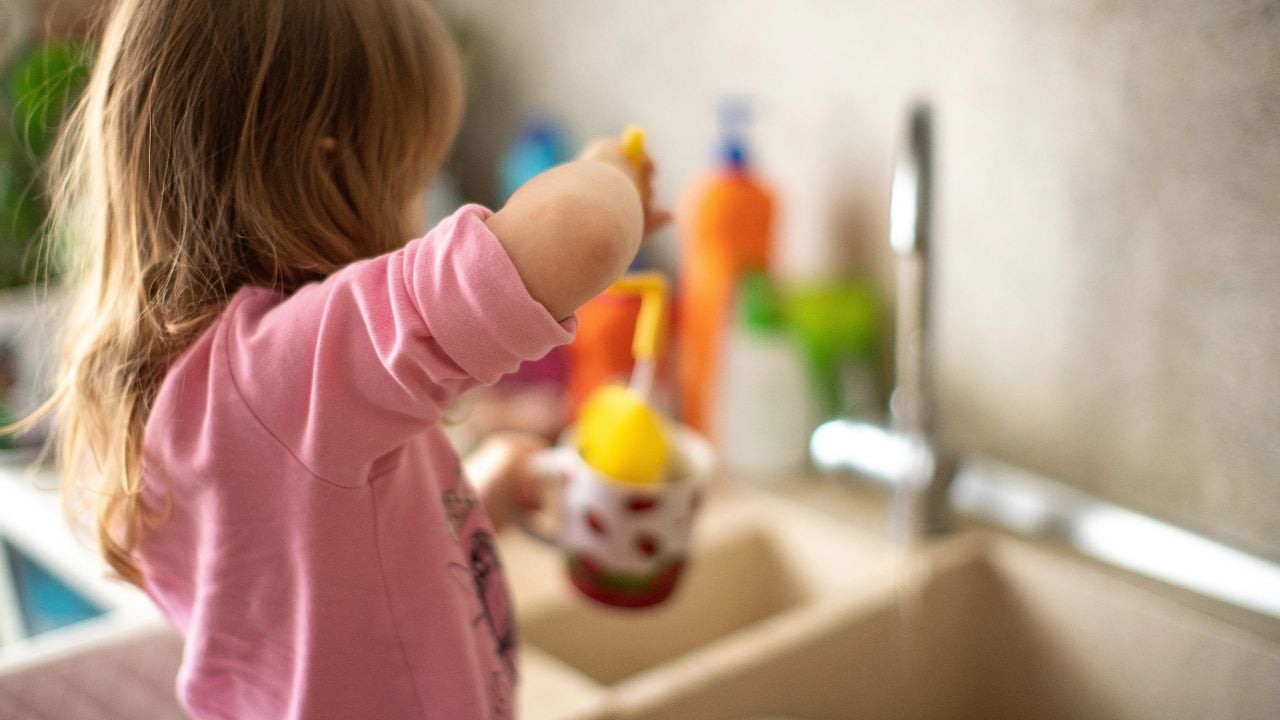
Washing the Dishes
Dishwashers were becoming increasingly common in the ’70s. But it wasn’t a given that every home had them, so hand-washing dishes was a regular chore for many kids.
After every meal, someone filled the sink with hot soapy water, rolled up their sleeves, and got to scrubbing.
Sometimes it was a team effort—one washed, one rinsed, one dried. Other times, one unlucky kid had to do the whole thing solo.
If you were the youngest, you might start with just drying. But by a certain age, you were expected to handle it all.
Leaving dishes in the sink overnight was unthinkable. It all got cleaned before bedtime.
Sweeping the Porch or Front Steps
A tidy front porch was a source of pride. Whether you lived in a city row house or a country farmhouse, keeping the front area clean was part of the daily routine.
Kids were expected to sweep away leaves, dirt, and grass, especially after mowing the lawn or on a windy day. It wasn’t about perfection. It was about doing your part.
This chore didn’t usually take long, but it mattered. A messy porch was the first thing neighbors saw.
Even young kids were handed a small broom and expected to help out.
Feeding the Pets Every Day
Pets were (and still are) family, and taking care of them in the ’70s was often a kid’s job.
Feeding the dog or cat wasn’t something a parent reminded you about. It was something you remembered on your own.
Dry food, water bowls, and the occasional treat were part of the routine. You didn’t wait until the animal was whining to take action.
If the family had chickens, rabbits, or other small animals, the chore list grew. Filling water jugs and tossing out feed were part of morning or evening tasks.
Kids learned responsibility by caring for animals. And if they forgot once, you can bet your bottom dollar they didn’t forget again.
Taking Out the Trash
When the trash can filled up, nobody argued about whose turn it was in many households. If you noticed it was full, you took it out. That’s how it worked.
This meant tying the bag, hauling it to the outdoor bin, and sometimes even replacing the liner. It wasn’t glamorous, but it was necessary.
Taking out the trash could also mean dragging bins to the curb on pickup day. If your family recycled, you sorted those items too.
No one expected praise for this task. It was part of the rhythm of keeping a household running smoothly.
Folding Laundry (Even If It Wasn’t Yours)
Laundry day didn’t mean just your own clothes. In the ’70s, kids helped fold everything: towels, sheets, socks, and their siblings’ clothes.
There was usually a big pile dumped on a couch or bed, and you got to work. Folding wasn’t fun, but it was something that had to be done.
Parents taught their kids how to match socks, fold shirts neatly, and stack everything in the right piles. It was part of learning life skills.
Once folded, you helped carry stacks to bedrooms. The job wasn’t over until everything was put away.
Yard Work After School
After school snacks were nice, but not until the yard work was done. That often meant grabbing a rake, hoe, or mower and heading outside.
Whether you had a big lawn or just a patch of grass, there was always something to clean up. Kids picked up sticks, pulled weeds, and swept up grass clippings.
Mowing was often a job for older kids, but even younger ones helped carry tools or water plants. No one stood around watching.
The yard was a shared space, and keeping it looking good was a family effort.
Cleaning the Bathroom Sink and Mirror
The bathroom was one of the most-used rooms in the house, and kids helped keep it clean. Wiping down the sink, scrubbing out toothpaste, and shining the mirror were often daily chores.
This task was quick but important. A clean bathroom mattered, especially with multiple people using it every day.
Some kids were assigned this chore weekly, others more often.
Either way, they learned early on how to use a cloth and cleaner.
Dusting the Furniture
Dust built up fast, and kids were the ones who wiped it away. With a rag or a dusting cloth, they worked their way through the living room, dining room, and beyond.
Tables, shelves, and TV stands were all part of the routine. It didn’t need to sparkle, but it had to look clean.
Sometimes kids used polish sprays, sometimes just a dry cloth. Either way, the job got done without fuss.
It was repetitive, but it helped teach patience and kept homes from looking neglected.
Helping Cook Simple Meals
Even young kids were expected to lend a hand in the kitchen. That might mean peeling potatoes, stirring a pot, or fetching ingredients from the pantry.
Older kids sometimes made full meals on their own, especially if both parents worked. Making grilled cheese, scrambled eggs, or spaghetti wasn’t unusual for a 10-year-old.
It wasn’t called “learning to cook” back then. It was just part of helping out.
If something boiled over or got burned, you cleaned it up and tried again. That’s how cooking skills were passed down.
Bringing in the Mail or Newspaper
Every day, someone had to walk down to the mailbox or pick up the paper from the yard. That job often fell to the kids.
It wasn’t complicated, but it was important. Parents expected it to be done without delay, especially if the forecast called for rain.
If the mail came while you were playing outside, you just paused the game and got it done. No one needed to ask twice.
Little tasks like this taught consistency and kept kids from relying on reminders.
Watering the Garden or Houseplants
Back in the ’70s, many families had gardens, and kids helped care for them. That meant watering plants daily—sometimes with a metal watering can, sometimes with the hose.
Even houseplants weren’t left out. If you were told to water the ferns or potted flowers, you remembered.
It wasn’t just about the water. You had to be gentle, make sure each plant got enough, and avoid making a mess.
These small jobs helped kids appreciate how much work went into growing something.
Picking Up Toys or Belongings Without Being Told
Leaving your toys all over the floor wasn’t acceptable. Parents didn’t walk behind you cleaning up. If you played with it, you put it back.
This rule applied to everything: books, games, shoes, schoolwork. You didn’t need a special “clean-up song” to get started.
If a parent stepped on something, the reaction wasn’t gentle. You learned fast.
By a certain age, neatness was simply expected. And forgetting too many times had consequences.
Helping Younger Siblings Get Ready
Older siblings in the ’70s often took on caregiver roles. That meant helping a younger brother or sister get dressed, brush their teeth, or find their backpack.
If mom or dad was busy, you stepped in. No arguing, no rolling eyes. It was part of being the “big kid.”
This responsibility started young, sometimes by the age of eight or nine. And it stuck.
It taught kids to look out for each other and helped everything run more smoothly in the morning.
What Decade Were You Really Meant For?
Whether you’re dreaming of bell-bottoms or soda fountains, our Decade DNA Quiz will match you with the decade that fits your personality. No work deadlines here, just a fun escape when you need it most.
Meet Your Match. Discover Your Decade DNA. (Your Vintage Roots Are Showing)

14 Things Every ’70s Kid Had in Their Lunchbox

From smashed sandwiches to sticky pudding cups, here’s a look at all the classic foods every ‘70s kid had crammed inside their trusty lunchbox.
14 Things Every ’70s Kid Had in Their Lunchbox
19 Gilligan’s Island Facts Even the TV Show’s Biggest Fans Don’t Know
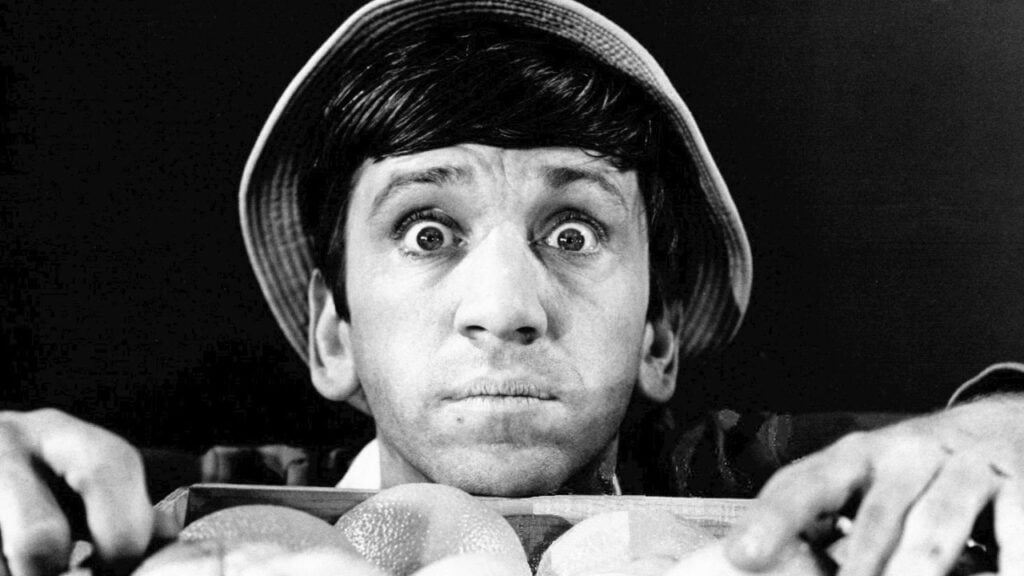
For many Americans, Gilligan’s Island was a silly, beloved sitcom. But as it turns out, this little island paradise was hiding some juicy trivia.
19 Gilligan’s Island Facts Even the TV Show’s Biggest Fans Don’t Know