
15 Design Mistakes That Instantly Cheapen a Pennsylvania Room

A high-end look doesn’t always require a high-end price tag. But some design choices make a room feel cheaper than it really is.
Maybe it’s plastic finishes. Maybe it’s worn-out furniture. Maybe it’s something as small as a cluttered shelf.
Here are some of the top things that drag a Pennsylvania room down and what to do instead.
Using Rugs That Are Too Small for the Space
A rug should frame your furniture, not float under your coffee table like a lonely island. But too many American homes make the mistake of going way too small.
People often pick a rug based on price, not proportion. The result?
A living room that feels disjointed, like the furniture doesn’t belong together.
In large rooms, rugs should sit under the front legs of sofas and chairs. In dining areas, they should extend well beyond the table.
A too-small rug can cheapen the whole space, even if everything else looks great.
Hanging Curtains Too Low
Curtains are more than just window covers. They shape the entire feel of the room. Hanging them too low can make ceilings look shorter and windows look cramped.
It’s a common mistake that’s easy to fix. Instead of mounting them right above the frame, go higher. Aim for halfway between the top of the window and the ceiling, or even just below the ceiling line.
Wider rods also help. They allow the curtains to frame the window instead of blocking it, which brings in more natural light.
Higher, wider curtains create a more open and elegant space without spending any extra money.
Using Too Many Pillows On the Couch or Bed
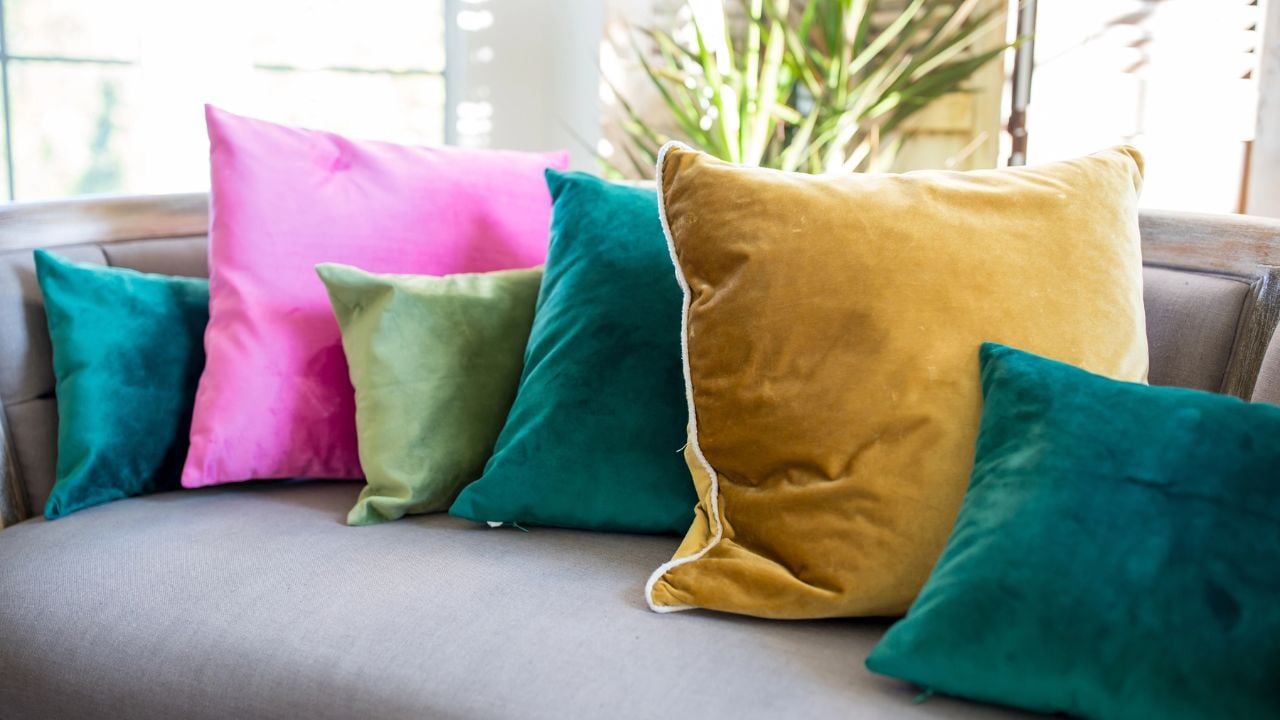
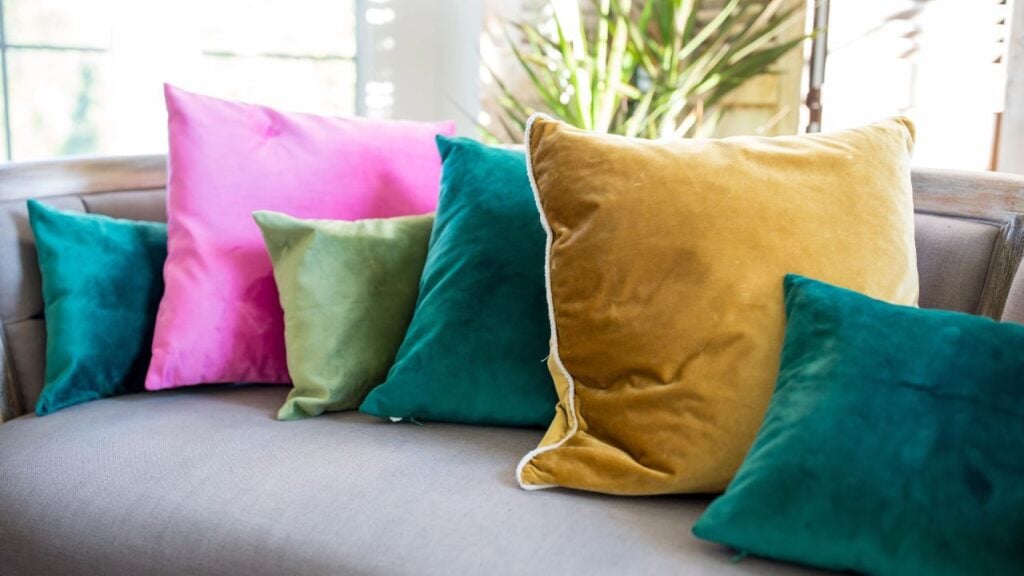
Pillows are cozy, but too many can start to feel messy fast. When your couch is covered in cushions or your bed takes five minutes to clear off, it’s gone from stylish to overdone.
Not only does it crowd the space, but it also makes it harder to use the furniture comfortably. Guests won’t know where to sit, and you’ll end up tossing half of them on the floor.
Stick with a few quality pillows in different shapes or textures. A mix of colors is great, but they should still complement each other.
Your space will look more inviting and less like a furniture showroom.
Cluttering Every Surface With Decor
There’s a difference between a styled shelf and a chaotic one. When every surface is filled with knick-knacks, picture frames, or scented candles, it overwhelms the room.
Even expensive decor loses its charm when there’s no space to breathe. It starts to feel more like a flea market than a curated home.
Try grouping items in odd numbers and leaving some blank space. Use trays to contain small pieces and give them purpose.
An edited room looks more intentional. And when fewer items are out, each one makes a bigger impact.
Using Too Much Matching Furniture
Buying the full set with the bed, dresser, and nightstands might seem like the easiest route. But when everything looks the same, it can feel flat and overly staged.
Rooms need a mix of shapes, colors, and materials to feel interesting. When everything is one color or style, it loses personality.
Try pairing a wooden bed with fabric nightstands or adding an antique dresser to a modern setup. Just one different piece can break up the uniformity.
Mixing things up makes the room feel more personal and much more expensive.
Choosing Harsh Lighting With No Warmth
Lighting can completely change the mood of a space. Bright, cool-toned bulbs and overhead lights with no layers can make a room feel cold and uninviting.
It’s not just about visibility. It’s about atmosphere. You want light that makes the room feel cozy and flattering, not like a hospital exam room.
Add floor lamps or table lamps with warm bulbs to soften the look. Use dimmers if you can. And avoid using only ceiling lights as your main source.
Layered lighting adds depth and makes every room feel more welcoming and thoughtfully designed.
Picking Paint Colors That Are Too Bright or Too Dark
Paint can make or break a room. A bold color might look exciting on the sample card, but once it’s covering four walls, it can feel like too much.
Super bright shades can overwhelm the space. Ultra-dark ones can make it feel heavy and closed in, especially if the room doesn’t get much natural light.
The worst part? The color may have looked amazing in a magazine or on social media, but every room has different light and size.
It doesn’t always translate well.
When in doubt, go for softer tones. Neutral shades with a bit of warmth make rooms feel more welcoming and tend to age better over time.
Hanging Art At the Wrong Height
Nothing says “this room wasn’t thought through” like art that’s hung too high or randomly placed.
You don’t need fancy artwork to make a space look good, but it has to be positioned correctly. Art should sit at eye level, not near the ceiling or too far off to one side.
And one tiny frame floating on a huge wall?
That can make the room feel unfinished, even if everything else looks nice.
If you’re working with a big wall, consider a gallery arrangement or one large piece. The right art placement makes the whole room feel more intentional.
Filling a Room With Too Many Trends at Once
Trends are fun, but using too many at the same time can make a room feel busy and confusing.
One minute it’s farmhouse. The next it’s mid-century. Then it’s boho with a splash of glam.
Your room starts to look more like a showroom mash-up than a real living space.
It’s totally fine to like multiple styles. Just don’t try to use all of them at once in the same room.
Pick one look to lead the space and let the rest support it. A little balance goes a long way toward making things feel cohesive and well-designed.
Choosing Cheap-Looking Materials Over Timeless Ones
Sometimes, saving money upfront leads to a room that looks and feels less polished.
Laminates that peel, thin plastic decor, and faux finishes often wear down quickly. Even if they look okay at first, they start to show their age fast.
You don’t have to buy luxury furniture, but a few solid, well-made pieces will last longer and instantly upgrade the feel of the space.
Even simple items like cotton curtains or ceramic lamps can elevate the look without breaking the bank.
Ignoring Scale When Choosing Furniture
That massive sectional might look amazing in the showroom, but in your small living room, it could swallow the space completely.
On the flip side, furniture that’s too small can make a large room feel cold and empty.
Scale is one of the most overlooked parts of design.
It’s not just about fitting pieces in the room. It’s about how they work together visually.
Measure your space before you buy. And when in doubt, leave a little breathing room.
Choosing Wall Art That’s Too Generic
There’s nothing wrong with a nice framed quote or a print from a big-box store. But if every room has the same “Live Laugh Love” sign, the space starts to lose personality.
Generic wall art can cheapen a room by making it feel like it lacks intention. It looks like you just grabbed the first thing that fit the wall.
Try mixing in art that means something to you. It could be travel photos, vintage finds, or something handmade.
Personal touches create warmth and make the room feel more lived-in… in a good way.
Neglecting to Hide Cords and Cables
Messy wires are a small detail that makes a big difference. Power strips, phone chargers, and dangling cords can instantly make a room feel disorganized and unfinished.
Even with nice furniture and good lighting, visible cables can ruin the overall look.
Luckily, this is an easy fix. Use cord covers, clips, or even baskets to keep wires tucked away.
When cords are hidden, the space looks cleaner and more thoughtfully arranged.
Skipping a Coffee Table or Central Piece
A living room without a coffee table can feel unfinished. It might seem like a minor detail, but this one piece helps anchor the room and makes it feel complete.
Without it, the seating area loses structure. People have nowhere to put drinks, books, or even their feet.
Even a small bench, ottoman, or sturdy tray table can do the job.
You don’t need something expensive—just something that brings the room together.
Overloading the Walls With Too Much Decor
It’s tempting to fill every wall with something. But when there’s too much going on, the room starts to feel busy and overwhelming.
Wall clocks, mirrors, shelves, word signs, and calendars all competing for attention can cheapen even a well-decorated space.
Leave some blank space. Let the eye rest.
One great piece of art or a well-arranged gallery wall is more powerful than covering every inch with stuff.
The Home Habits That Reveal Your Generation
Do you mix and match furniture like a pro, or still hang curtains just above the window frame?
Take our Decade DNA Quiz to find out which classic American era best matches your personality. From ’40s practicality to ’80s bold flair, your approach to design might be shaped by more than just personal taste.
Meet Your Match. Discover Your Decade DNA. (Your Vintage Roots Are Showing)

17 Decor Items That’ll Make Your Home Look Cheap

No one wants to hear their home looks cheap. But sometimes, a cheap-looking home doesn’t reflect what you spent on it. It reflects the decor you chose.
17 Decor Items That’ll Make Your Home Look Cheap
18 Recipes Grandmas Always Took to Church Potlucks

In old-school America, your grandma didn’t need a crown to rule the church potluck. She just needed a slow cooker and a handwritten recipe card.
