15 Food Trends From the 1990s That Quietly Disappeared From Texans’ Lives

If you grew up in the 1990s, your pantry probably looked like a playground of strange flavors and flashy packaging.
Texas supermarkets were no exception, stocking shelves with Crystal Pepsi, 3D Doritos, and microwavable snack kits that parents swore would make life easier.
Some of these fads felt like the future of food, while others were just passing gimmicks.
Today, many of those once-beloved trends have disappeared so quietly you might not have noticed until now.
Fat-Free Everything Became a Grocery Store Obsession
In the 1990s, fat was painted as the biggest threat to health. Grocery stores quickly responded by filling their shelves with items proudly labeled “fat-free.”
From cookies to chips to frozen dinners, brands promised that people could enjoy their favorite foods without the guilt.
Parents stocked their pantries with these products, hoping to make healthier choices for their families.
By the 2000s, nutrition science shifted, and the truth about sugar replacing fat began to sink in. The once-mighty fat-free craze quietly faded into the past.
Surge of Energy Drinks Took Over Soda Aisles
The 1990s were a wild time for soda lovers. Brands fought to outdo each other with drinks that were brighter, bolder, and loaded with caffeine.
Surge and Jolt were marketed directly to teenagers, promising energy and excitement with every can. Their ads often leaned into skateboards, video games, and extreme sports.
Parents raised their eyebrows at the high caffeine content, but for kids, that was part of the appeal.
Most of these sodas disappeared within a few years, replaced by the rise of dedicated energy drinks like Monster and Red Bull.
Snack Kits Defined Lunchtime for Kids
School lunches in the 1990s looked different than they had before. Suddenly, kids could assemble their meals from brightly packaged trays.
Lunchables became the star of the cafeteria, with crackers, cheese, and slices of meat ready to snap together.
Parents appreciated the convenience on busy mornings. Kids enjoyed the freedom of making their own little stacks or mini pizzas.
While Lunchables still exist, the novelty that made them so popular in the ’90s has worn off. They’re now just another grocery store option rather than a cultural moment.
Clear Drinks Were Marketed as the Future
For a short stretch of the ’90s, clear drinks became the hottest trend. They were pitched as pure, modern, and futuristic.
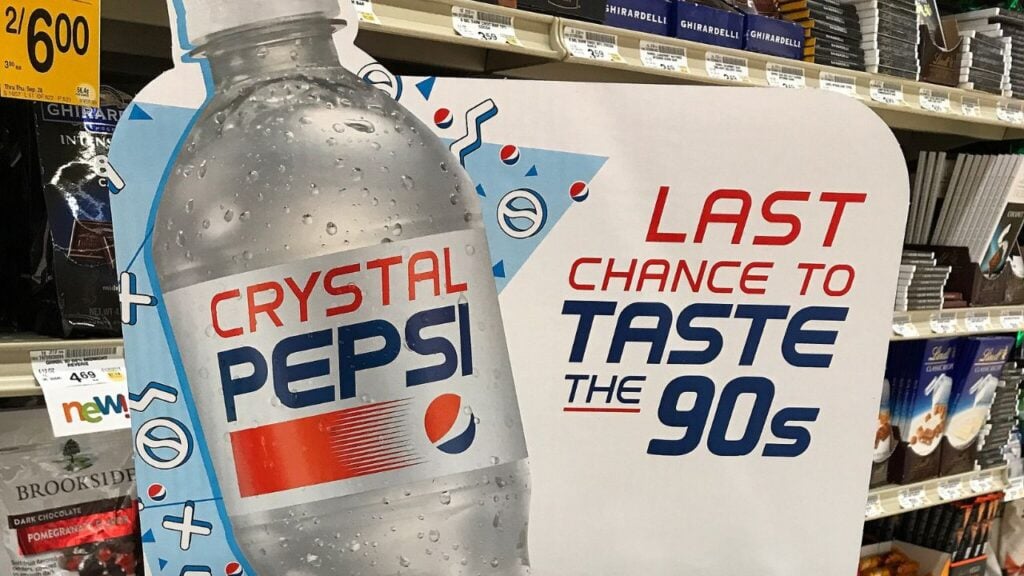
Crystal Pepsi was the most famous attempt, offering cola flavor without the caramel color.
Even alcohol brands leaned into the fad, pushing clear malt beverages that looked sleek on store shelves. For a time, it felt like “clear” meant better.
The excitement was brief, and most of these products vanished within a couple of years. They live on mainly as quirky footnotes in advertising history.
Extreme Snack Shapes Tried to Reinvent the Classics
The 1990s loved taking familiar foods and giving them a bold twist. That included turning classic chips into strange and playful shapes.
Doritos 3D, Cheetos Paws, and other puffed or twisted snacks arrived in flashy packaging.
The taste wasn’t much different from the originals, but the shapes gave them an edge.
Despite their popularity, most of these unusual shapes were discontinued by the early 2000s. A few return occasionally, but they never regained the hype of their first launch.
Olestra Chips Promised Guilt-Free Snacking
In the mid-1990s, Frito-Lay introduced chips made with olestra, a fat substitute marketed as a breakthrough.
The idea was simple: enjoy fried chips without the fat.
The promise sounded too good to be true, and in many ways, it was. Olestra came with some unfortunate digestive side effects that quickly became infamous.
By the early 2000s, olestra chips had disappeared from most shelves. The trend became a cautionary tale about quick fixes in food science.
Cereal Aimed More at Fun Than Nutrition
Breakfast in the 1990s often looked like candy in a bowl. Cereals leaned into bright colors, wacky mascots, and promotions packed with marshmallows.
Brands like Lucky Charms ran special editions that doubled the number of marshmallows. Spin-offs like Sprinkle Spangles and Oreo O’s made their debut.
For kids, the sugar rush was part of the fun, while parents shrugged it off as just another morning ritual.
As nutrition awareness grew, many of these products lost steam. Today, only a handful remain, and most have been toned down from their ’90s extremes.
Exotic Salsas and Flavored Chips Flooded Snack Shelves
The 1990s saw a rise in adventurous snacking. Plain potato chips were no longer enough for a generation craving more flavor.
Salsa-flavored chips, spicy varieties, and even bold experiments like pickle chips popped up in grocery aisles.
The push for flavor reflected a bigger shift in food culture. People were starting to explore spicier and more international tastes.
While the movement paved the way for today’s hot chip craze, many of those early ’90s experiments vanished after their novelty wore off.
Frozen Yogurt Shops Popped Up Everywhere
In the ’90s, frozen yogurt was hailed as the healthier alternative to ice cream. Shops seemed to open on every corner, promising fewer calories without sacrificing taste.
Families flocked to them as a fun outing, and kids loved the idea of piling toppings high.
For a while, frozen yogurt threatened to overtake ice cream in popularity. Chains like TCBY became household names.
Eventually, the craze cooled, and many of the shops closed.
Bottled Teas Tried to Take Over the Beverage Market
The 1990s were also the decade bottled teas went mainstream. Brands like Snapple dominated coolers in gas stations and convenience stores.
Flavors ranged from lemon to peach to more unusual blends. Each bottle was marketed as a smarter, more natural alternative to soda.
For a while, the drinks were everywhere, advertised in quirky commercials that became just as memorable as the products themselves.
Although bottled tea still exists today, it’s no longer the cultural giant it was in the ’90s. The explosive hype of the decade has long faded.
Fruitopia Tried to Capture Teen Culture
In 1994, Coca-Cola launched Fruitopia, a fruit-flavored drink aimed directly at teenagers. It was bright, colorful, and advertised as more than just a beverage.
Commercials leaned into psychedelic visuals and alternative music, making the drink feel connected to the youth culture of the decade.
The flavors had quirky names like “Strawberry Passion Awareness” and “Citrus Consciousness.” They sounded like more than just drinks, they were lifestyle statements.
By the early 2000s, the once-trendy drink quietly disappeared, remembered mostly by ’90s kids.
Orbitz Drinks Made Beverages Look Like Lava Lamps
Orbitz, introduced in 1997, was one of the strangest drinks of the decade. The bottles contained a sweet liquid with floating gel-like balls suspended inside.
It was designed to feel futuristic, almost like a science experiment you could sip. Kids loved showing it off, even if they didn’t love the taste.
The drink wasn’t around for long. Its unusual texture confused many people, and the novelty couldn’t carry sales.
Orbitz vanished within a few years, but it lives on as a classic example of ’90s food weirdness.
Bagel Bites Became a Freezer Staple
Bagel Bites surged in popularity during the 1990s as one of the ultimate after-school snacks. Small enough for kids and easy enough for parents, they were a hit.
The catchy jingle, “Pizza in the morning, pizza in the evening, pizza at suppertime,” made the brand instantly recognizable.
Kids often fought over the last few in the box, and parents appreciated that they were less messy than full-sized pizzas.
Though still available today, they no longer hold the cultural spotlight they did in the 1990s. Their peak moment has passed.
Jell-O Jigglers Became a Party Essential
Jell-O tried to reinvent itself in the 1990s with a new idea: Jigglers. These thicker, cut-out shapes were marketed as more fun than ordinary bowls of gelatin.
Commercials often featured kids pressing cookie cutters into trays of Jell-O, pulling out stars, hearts, and letters.
Parents liked that Jigglers seemed simple and kid-friendly.
The craze eventually faded, though Jell-O still sells recipes for them today.
Flavored Waters Tried to Compete With Soda
Before today’s sparkling water boom, the 1990s brought early versions of flavored water. Brands like Clearly Canadian gained a cult following.
These drinks were lightly sweetened and came in sleek bottles. For many people, they felt like a sophisticated alternative to soda.
The craze was especially strong among young adults who wanted something trendier than plain bottled water.
Though Clearly Canadian still exists today, most of the original ’90s hype disappeared.
20 Nostalgic Things Americans Could Buy for Under $1 Back in the Day
It’s hard to believe now, but there was a time when $1 could buy something meaningful.
Let’s take a trip back to the days when Americans’ pockets didn’t need much cash to bring home something fun, useful, or just plain delicious.
20 Nostalgic Things Americans Could Buy for Under $1 Back in the Day
19 Historical U.S. Myths That Annoy History Buffs to the Core

If your teacher taught it in history class, it’s normal to assume it’s true. Ask any historian, though, and you might be surprised to learn the stuff of school history lessons is often riddled with inaccuracies.
19 Historical U.S. Myths That Annoy History Buffs to the Core
What Decade Were You Really Meant For?
Whether you’re dreaming of bell-bottoms or soda fountains, our Decade DNA Quiz will match you with the decade that fits your personality. No work deadlines here, just a fun escape when you need it most.
Meet Your Match. Discover Your Decade DNA. (Your Vintage Roots Are Showing)